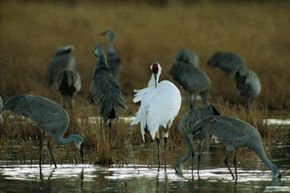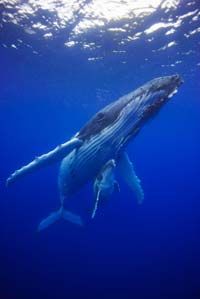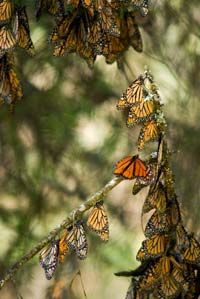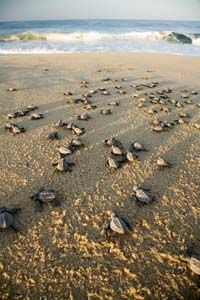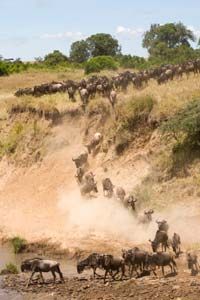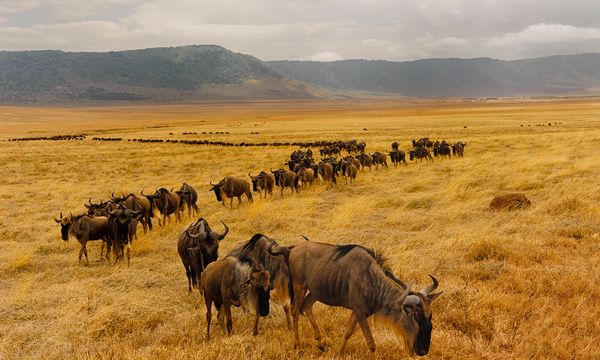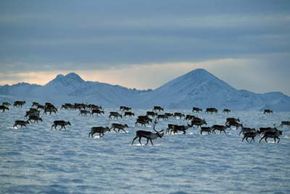
There are few sights as majestic as the mass migrations of animals. To humans, thousands of monarch butterflies roosting in trees or scores of wildebeests surging across the African plains are beautiful and impressive to witness. To the animals themselves, these migrations are crucial to the survival of their species. In this article, we'll learn about the biggest, longest and most amazing animal migrations in the world, and we'll figure out why and how animals make such astonishing journeys.
Migration is the large-scale movement of an animal species from one place to another. Migrations are usually tied to seasonal changes in weather and feeding patterns, or mating and breeding patterns. Some migrations don't follow these patterns. Irruptive migrations don't seem to follow any pattern at all, and nomadic species move from place to place whenever they've exhausted the food supply in one area [source: National Park Service].
Advertisement
When every member of a species migrates, that is known as a complete migration. If some members of a species stay in one place all year long, but others migrate, that's a partial migration. This usually occurs when the species' range is large enough that some individuals live someplace that is always relatively warm, while others live in a temperate region that gets too cold in the winter. Barn owls are one example of an animal that partially migrates [source: Bolen].
Animals that live in mountainous areas may use altitudinal migration. Instead of traveling long distances, they move to lower altitudes when winter snow hits the upper mountains. Some spotted owls do this, while others of the same species who don't live in mountains have different migration patterns [source: The Condor].
A drastic change in the environment or climate can result in removal migration. If a species' habitat becomes permanently inhospitable to them, such as when human development drains swampland or clear-cuts a forest, the species will attempt to move to a different area and not return to their original home.
Advertisement