
Animal Facts
Learn about some of the strange and unusual facts and terms in the animal kingdom.

10 Best Animals to Keep as Pets

10 Biggest Cat Breeds to (Lovingly) Shed All Over Your Home
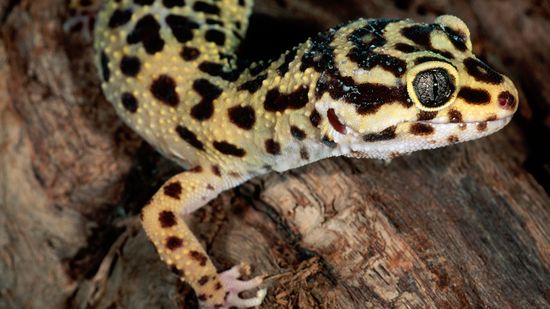
6 Best Lizard Pets for Your Home

The True and Tragic Story of Tilikum, SeaWorld's Captive Orca

8 of the Scariest Animals for Pure Nightmare Fuel

10 Deep Sea Creatures That Are (Almost) Too Bizarre to Be Real

Amur Leopard: The Rarest Big Cat in the World
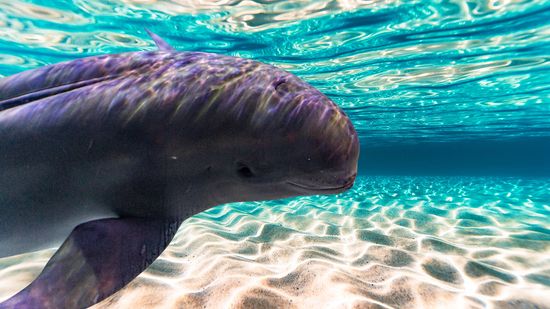
Yangtze Finless Porpoise: The World's Only Freshwater Porpoise

The Western Lowland Gorilla Is Susceptible to Ebola
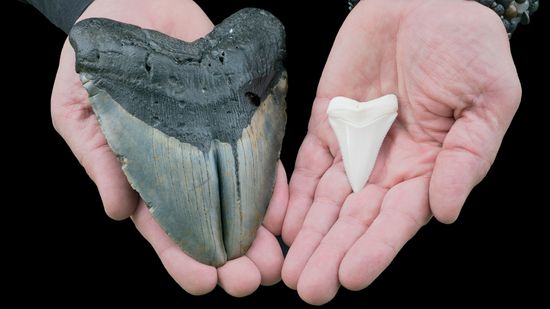
All About the Megalodon, Shark Giant of Prehistoric Times
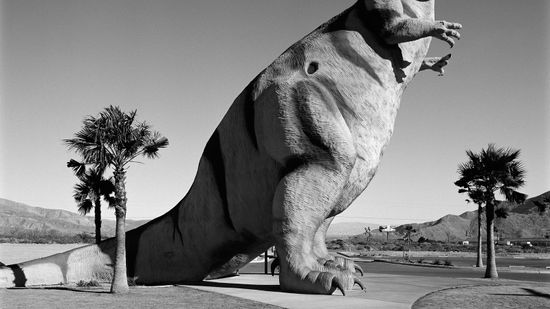
What Was the Biggest Dinosaur? Here Are the 4 Best Estimates

Meet Palaeophis Colossaeus, the Largest Sea Snake of All Time
Learn More / Page 2
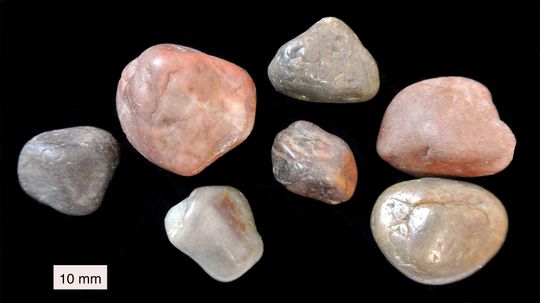
Gastroliths, or "stomach stones," are found in animals from chickens to sea lions. But what are they for?
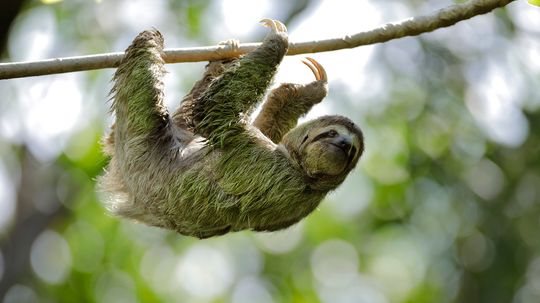
Animal sanctuaries should provide animals with excellent care for the rest of their lives. But many don't. So how do you know if a sanctuary is legit?
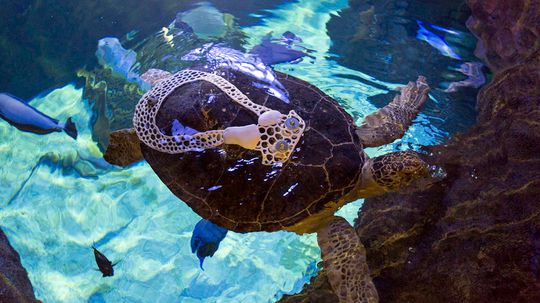
3-D printing is helping animals — both wild and domestic — recover from injuries that might once have meant euthanasia.
Advertisement
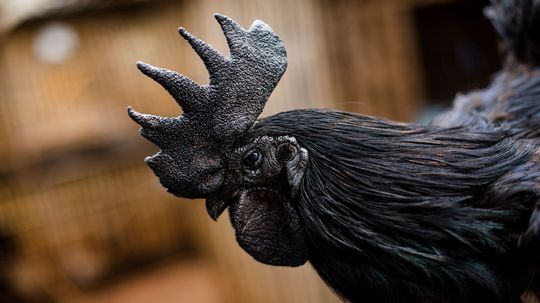
The magic of a blacker-than-black chicken like the Ayam Cemani is in its genetics.
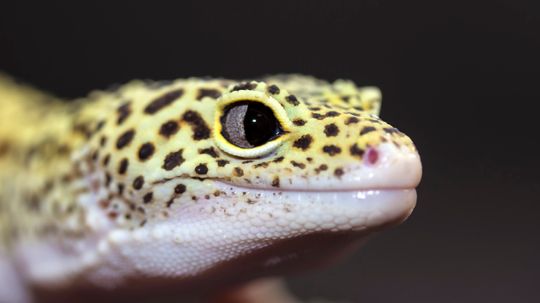
Geckos have abilities that definitely take lizardhood up a notch.
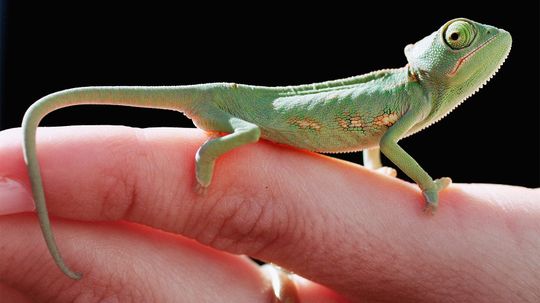
Chameleons change color whenever they feel agitated, exhilarated, threatened or excited. OK, but how?

There's a four-legged security officer patrolling your airport and this canine is on a mission to find illegal fruits and veggies.
Advertisement
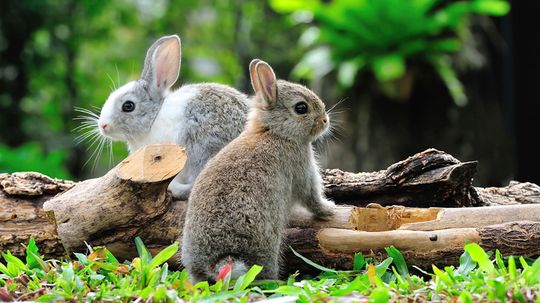
Rabbits and hares can be fluffy bundles of laziness or superbly rambunctious, but do they really go crazy in March?
By Bambi Turner
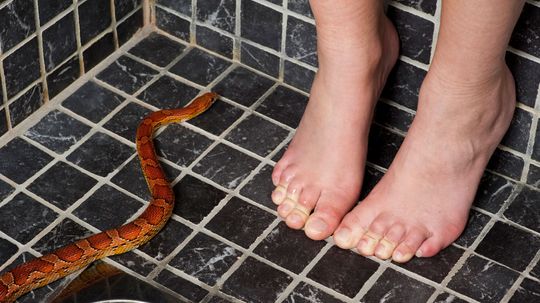
Don't let this fear keep you from using the porcelain throne! Snakes in toilets are extremely rare occurrences.
By Bambi Turner
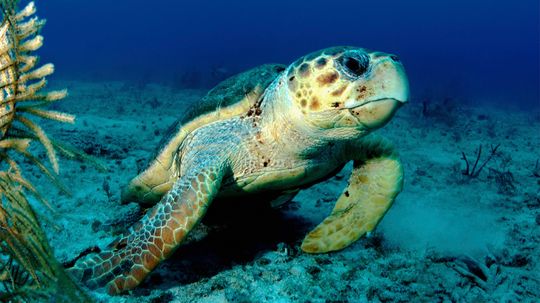
Many marine and aquatic mammals can survive without breathing by slowing their heart rates and redirecting blood from their extremities to their brains, hearts and muscles.
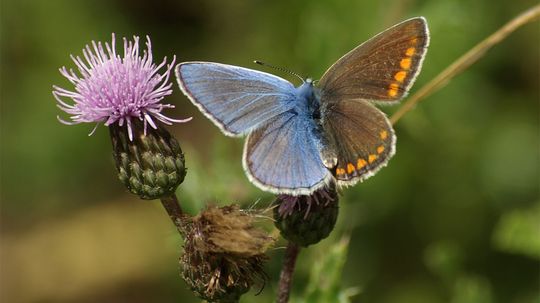
Called gynandromorphs, half male and half female animals are rare, but they do exist.
Advertisement

The iconic horses step tall to promote wind power, which creates 100 percent of the electricity used to make Budweiser beer.
By John Donovan
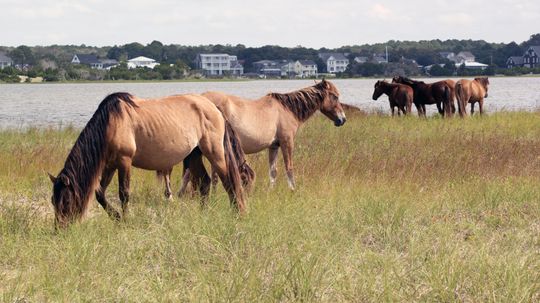
Miraculously, many animals are able to ride out some of Mother Nature's most powerful storms. But how?
By Mark Mancini
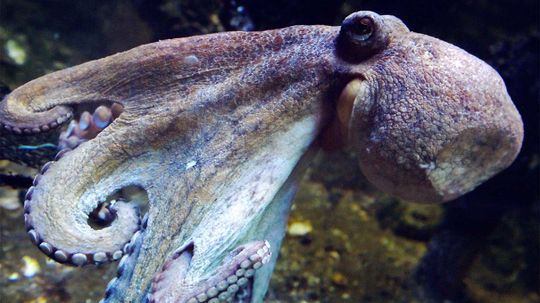
Not all animals have red blood flowing through their veins. Meet some our blue-blooded, green-blooded and, yes, transparent-blooded fellow creatures.
By Mark Mancini

Many of us admittedly keep our televisions on when we leave the house — for our dogs. But does Fido really watch the TV?
Advertisement
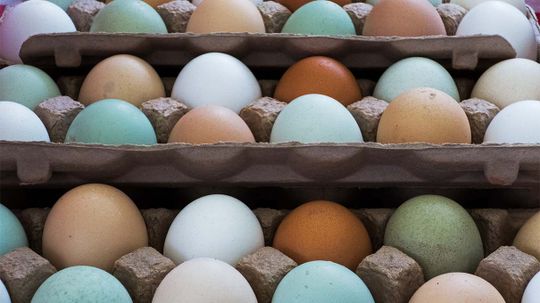
Check your chicken's earlobes (yes!) to know what color eggs you'll get.
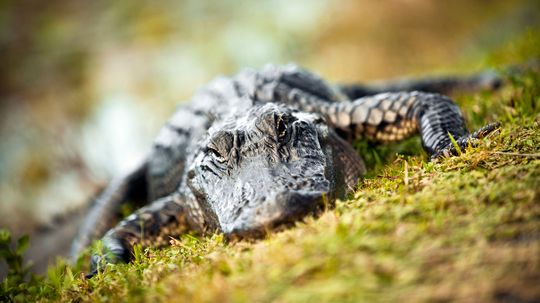
Animals leave their marks on the ecosystem in ways you probably never imagined.
By Mark Mancini
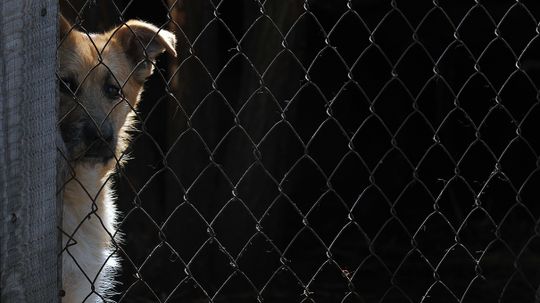
Connecticut new "Desmond's Law" is the first in the nation that appoints legal advocates in animal abuse cases.
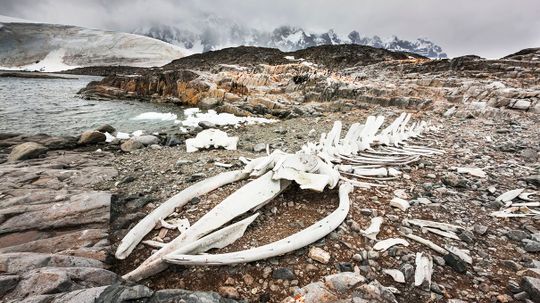
Mummified seals. Skeletal penguins. Massive whale bones. Antarctica is a weird and wonderful place.
Advertisement

Do non-human animals have equivalent categories to our A, B and O blood designations? Can animals donate blood?

The Beagle Brigade is an important part of U.S. Customs and Border Protection. The dogs are trained to sniff out fruits, foods and plants in international passengers' luggage as they arrive in the airport terminals.
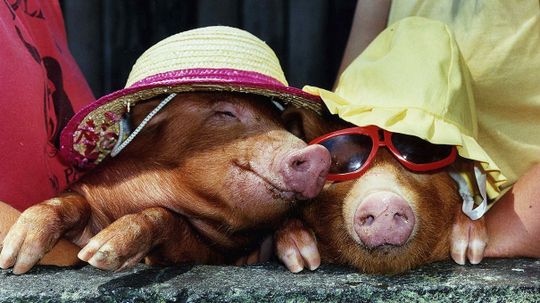
Whether through biology or behavior, nonhuman animals have to avoid sun damage just like we do.
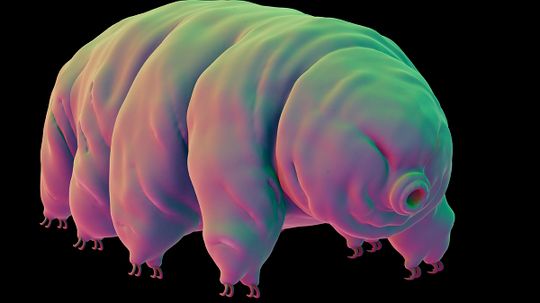
No, a tardigrade's not a type of time-traveling police box on "Doctor Who." It's an ancient water bear, of course!
By Oisin Curran
Advertisement
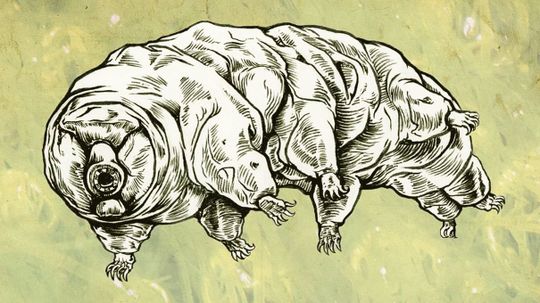
The toughest animal in the world has just released its first sex tape, and as with all things water bear, things get pretty freaky.
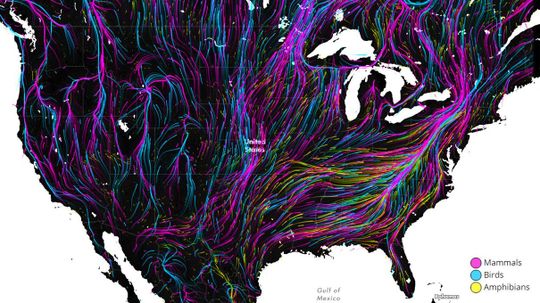
A new tool helps visualize how a changing climate will force animal species to relocate.