
Miscellaneous Birds
Biodiversity if an amazing and wonderful thing. But it also means that there are many types of birds that don't fit into a specific categories. Read about all types of strange but beautiful birds in this section.
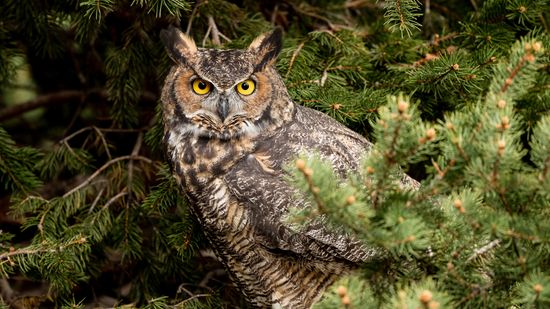
10 Types of Owls: From Tiny Screech-owls to Great Horned Owls
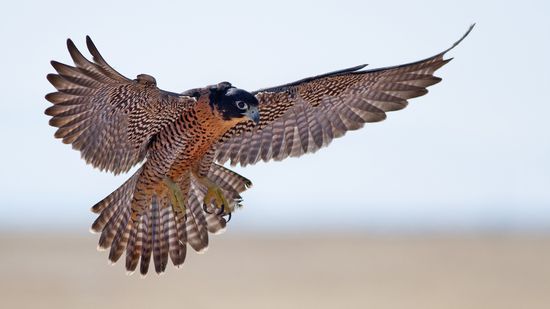
Hawk vs. Falcon: Spotting Differences Between Birds of Prey
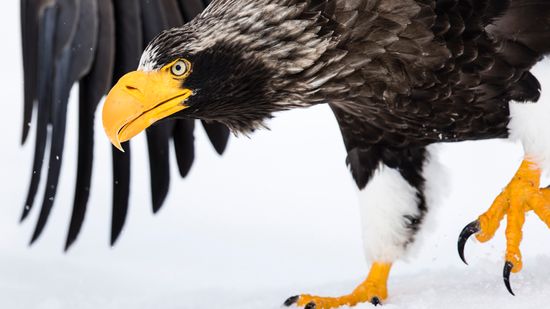
9 of the Largest Eagles in the World

What Do Ducks Eat? Why You Shouldn't Feed Ducks Bread
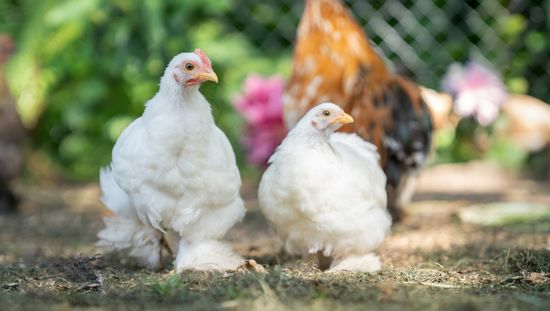
9 of the Largest Chicken Breeds
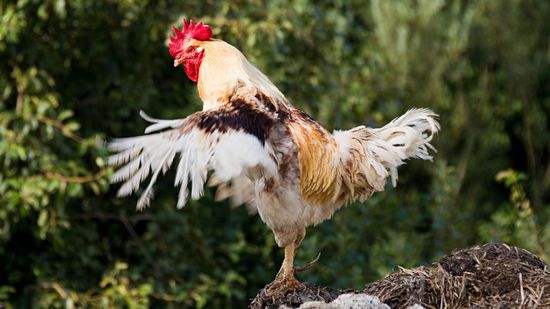
What the Cluck? How a Hen Turned Into a Rooster

How Do Birds Know When to Fly South and Where to Go?
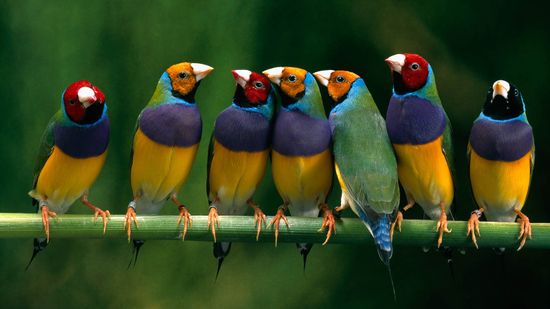
Finches Are Tiny Twitterers That Make Great Pets
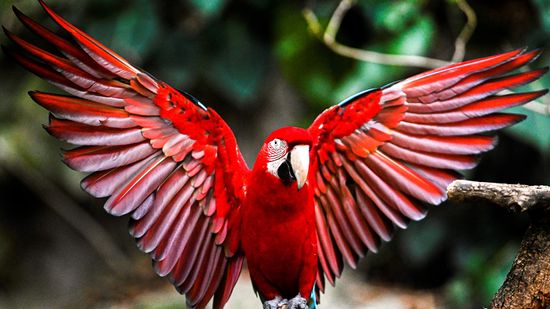
Yes, Macaws Can Talk (and Say Bad Words!)
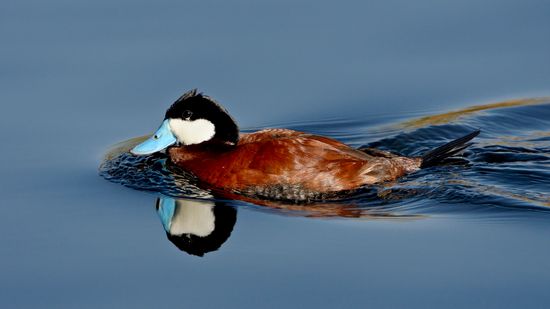
The 3 Types of Ducks Every Birdwatcher Should Know
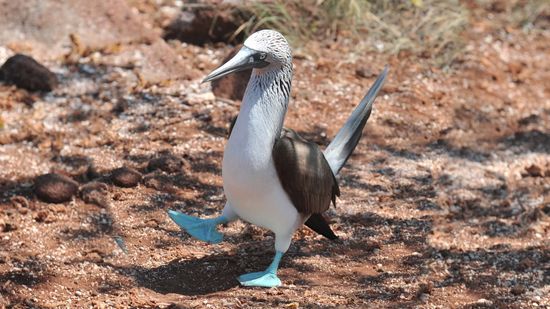
The Blue-footed Booby Dance Gets the Girl Every Time
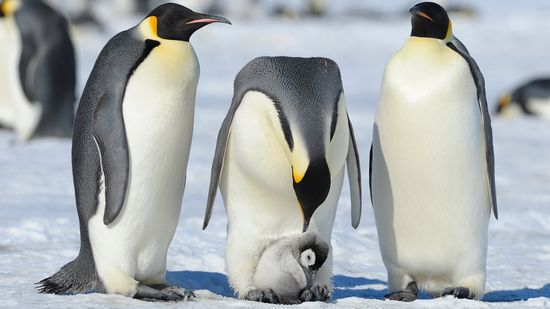
Penguins: The Monogamous Tuxedoed Birds That 'Fly' Underwater
Learn More
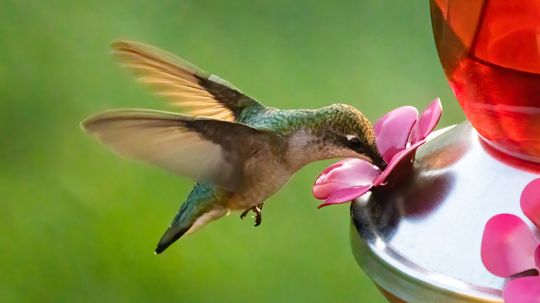
Hummingbird feeders are a great way to help those little fliers, but to feed them responsibly, you need to keep your feeders clean and fill them correctly.
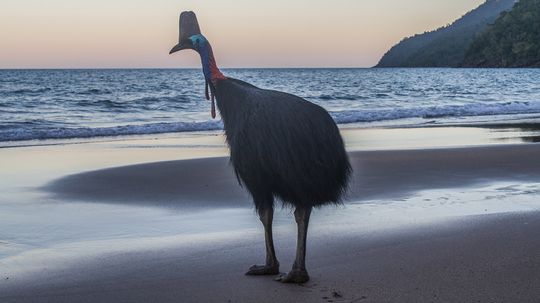
They are all huge, but does it surprise you that none of the nine biggest birds can fly?
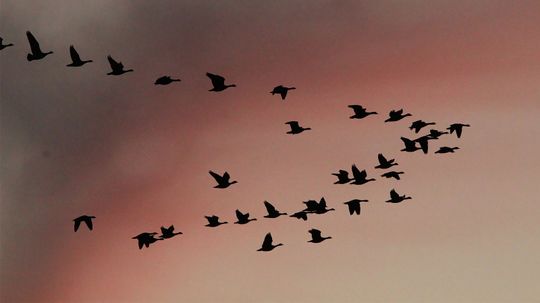
Today, technological advances are providing new insights into bird migration and showing that it is more complex and wonderful than scientists ever imagined.
By Tom Langen
Advertisement
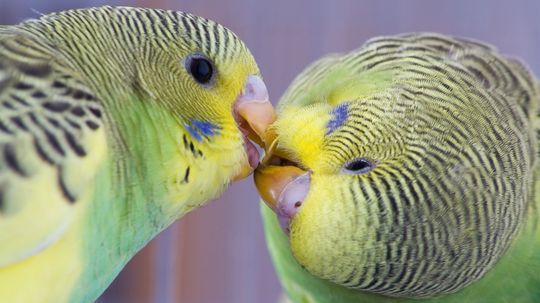
Budgies are the same species as parakeets and make fabulous pets – and, yes, they love to talk!
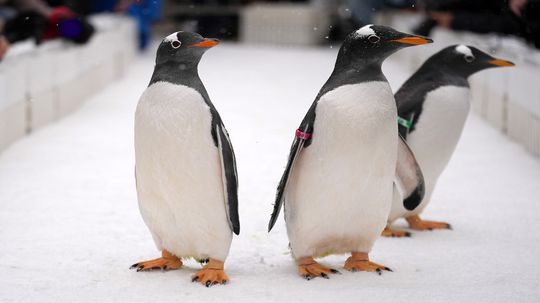
There are 126 species of birds that don't have the ability to fly, for various evolutionary reasons. Let's meet seven of them.
By Katie Carman
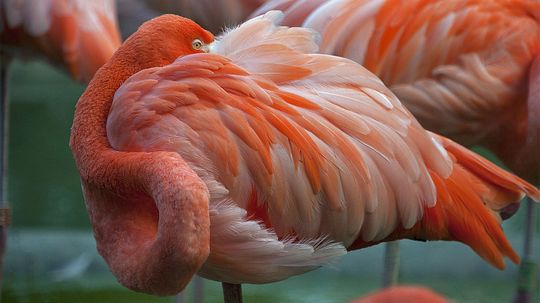
Flamingos use a secretion from a gland near their rear end to touch up their feathers when they've been bleached by the sun.

Migrating birds are dying by the billions as they lose their way and smash into lit buildings at night. Big cities like Philadelphia are turning out the lights to try and help save them.
Advertisement
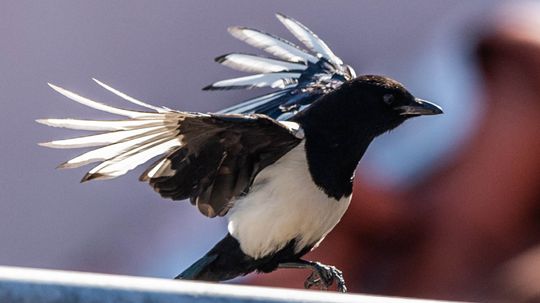
Magpies are much-maligned as harbingers of doom, thieves of shiny objects and songbird eggs, but they're smart, monogamous for life and actually hold funerals for one another.
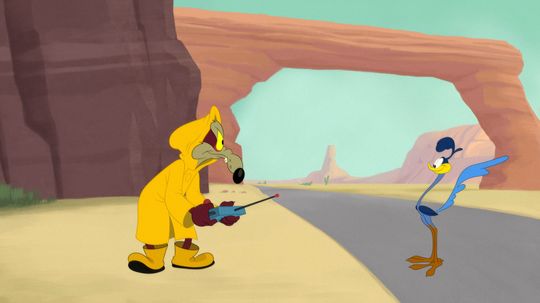
The cartoon Roadrunner beep-beeped his way through the desert, outfoxing Wile E. Coyote every time, but the real bird can run up to 27 mph and, in some Native American traditions, offers protection from evil spirits.
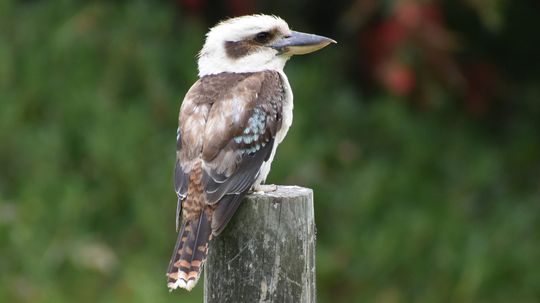
There's more to Australia's kookaburra than the cheery song you learned as a kid, but what is it that makes the kookaburra laugh?
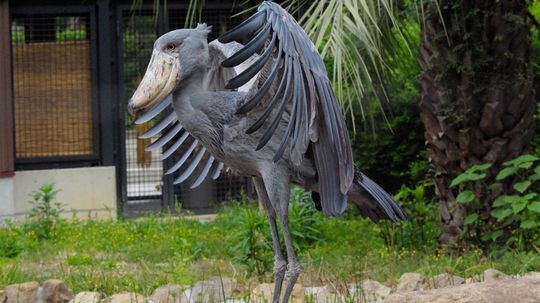
Biochemically like a heron and anatomically similar to a pelican, the shoebill stork has been called "Monsterface" and even "Death Pelican." But wait until you hear the staccato rat-a-tat-tat of its booming machine-gun call.
By Carrie Tatro
Advertisement
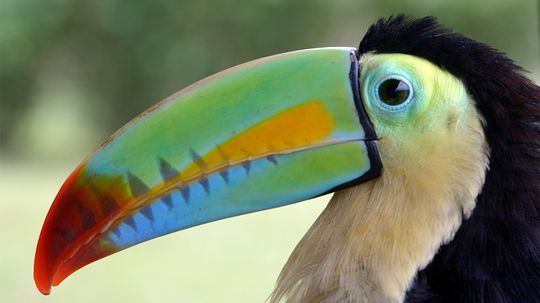
Generations of cereal eaters grew up sharing the breakfast table with Toucan Sam, famous for following his long, colorful nose — but what's that bill for besides hawking cereal?
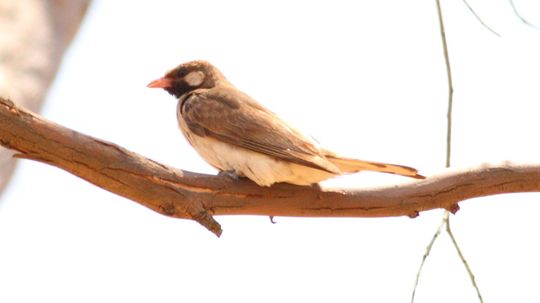
A remarkable partnership has formed over centuries between honeyguide birds and humans — and both species benefit when the honey is found and the comb is cracked.
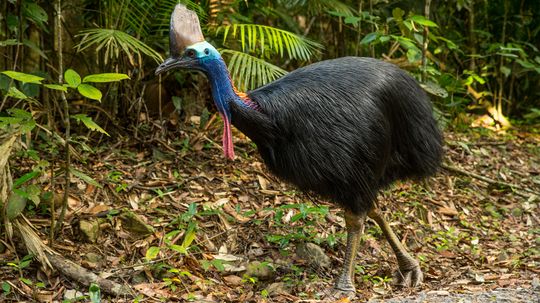
This exotic bird could seriously injure or kill a person or a dog in an instant with its deadly claws.
By Wendy Bowman
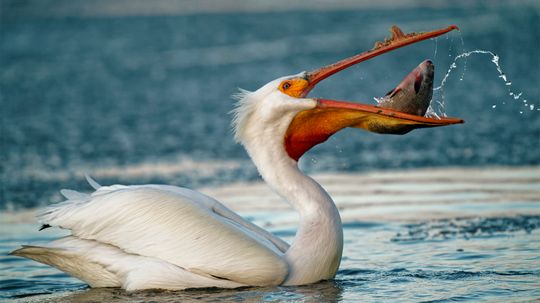
When a half-full plate of dinner sits before you and your overstuffed tummy, have you ever been told your eyes are too big for your stomach? The pelican's got a similar problem.
Advertisement
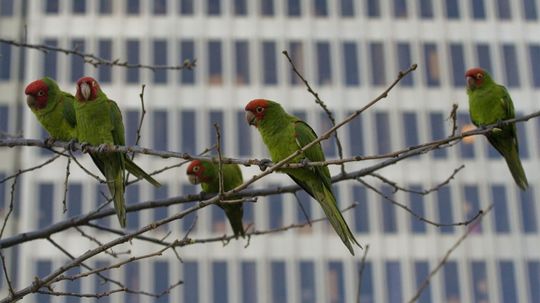
The parrots of the Telegraph Hill neighborhood of San Francisco are legendary, but how did they get there?
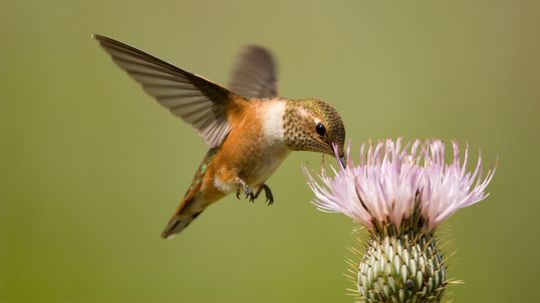
There's a lot of conversation around what we should be feeding our backyard hummingbird visitors, so we threw the question, along with others, to an expert.
By Jamie Allen
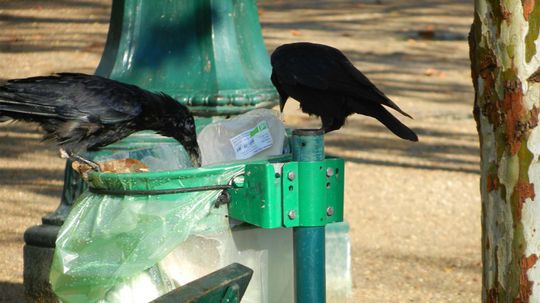
A French theme park has trained a crew of six rooks to pick up after its messy guests.
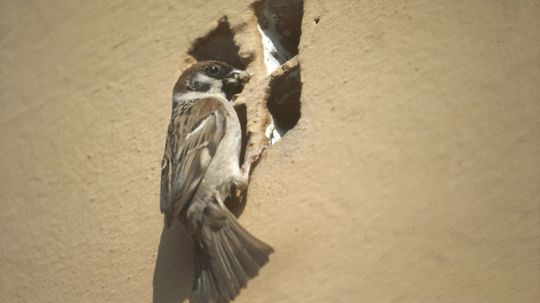
Certain urban-dwelling bird species use cigarette butts in building their nests.
By Carrie Tatro
Advertisement
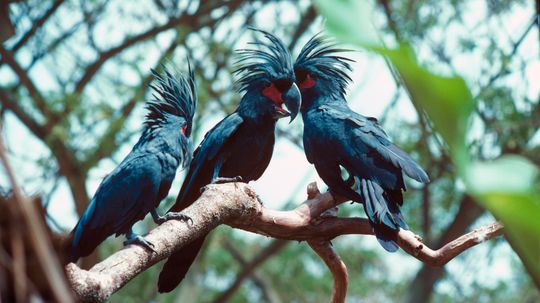
Aside from humans, these birds are the only ones who make drumsticks for musical purposes.
By Alia Hoyt
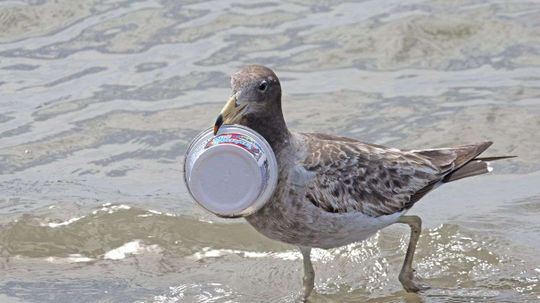
A recent study has identified why some seabirds mistake the plastic dumped in the ocean for food. The nose knows why.
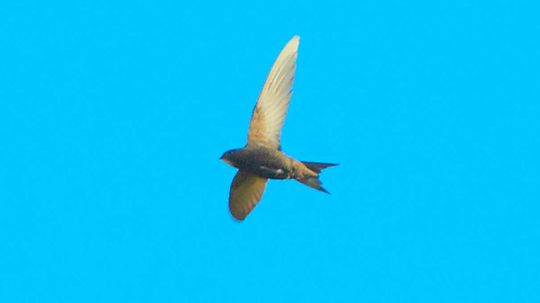
Thanks to new technology, researchers have discovered that the common swift flies 10 months a year without landing, setting a world record for uninterrupted time aloft.
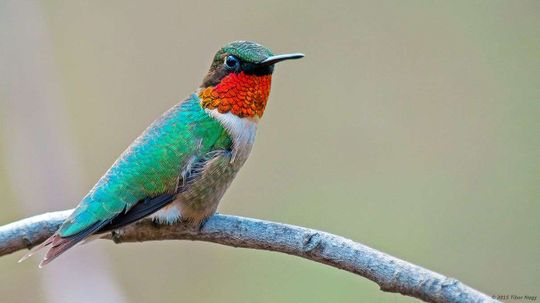
Ruby-throated hummingbirds migrate annually from the U.S. all the way to Central America. How often would one need to stop? A new study reveals amazing abilities.
Advertisement
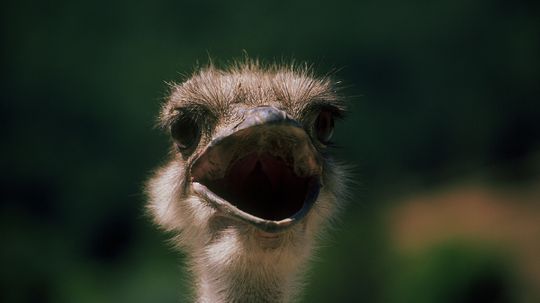
When a friend decides to ignore their problems, you might liken them to an ostrich. But ostriches are much more likely to face a problem head-on than hide it in the sand.
By Bambi Turner

You are an avid birdwatcher and would like to know how to identify birds. This article will tell you all about how to identify birds.