
Carnivores
Carnivores are meat-eating mammals. Learn about tigers, coyotes, and other predators of the animal kingdom.
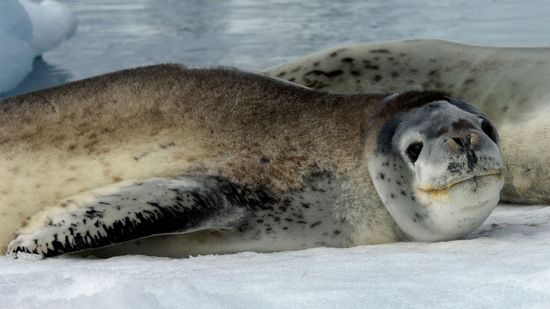
Leopard Seals Are Apex Predators of the Antarctic
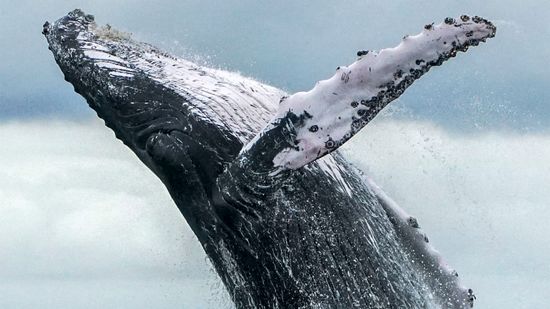
Humpback Whales Have Made an Amazing Comeback From Extinction

9 Enormous Facts About Sperm Whales, Gigantic Creatures of the Sea
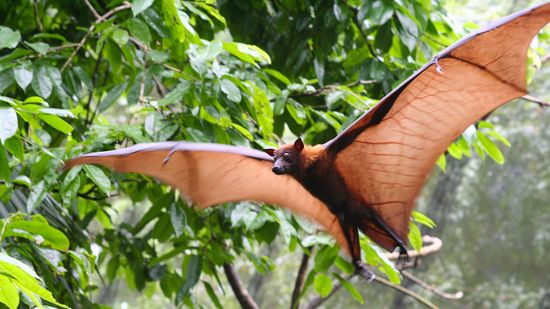
The Largest Bat in the World Has a Wingspan Over 5 Feet
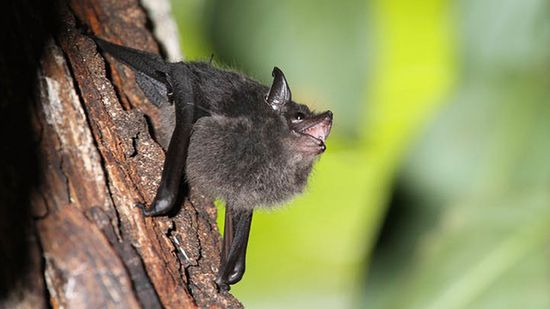
Baby Bats Babble With Moms, Hinting at Human Language Development
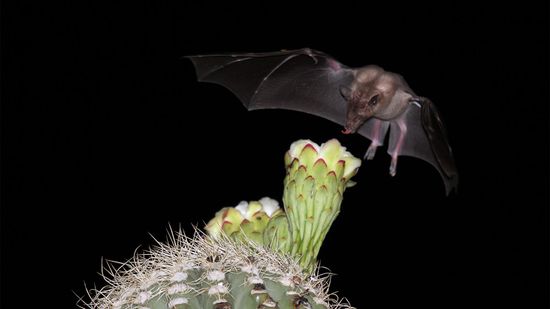
Fruit Bats Are the Best Pollinators (and Suppliers of Tequila)
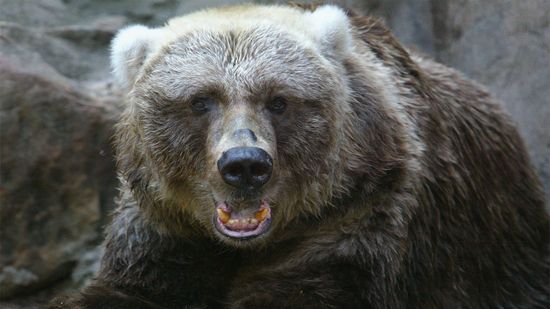
Alaska's Kodiak Bear Is One of the Planet's Biggest
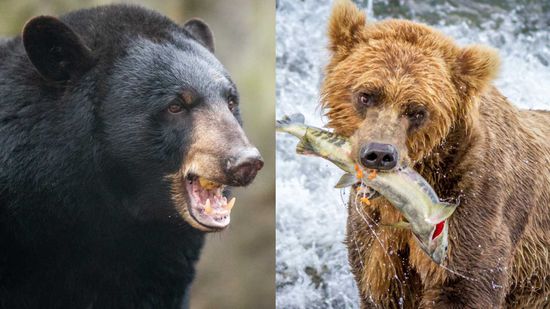
What's the Difference Between a Brown Bear and a Black Bear?
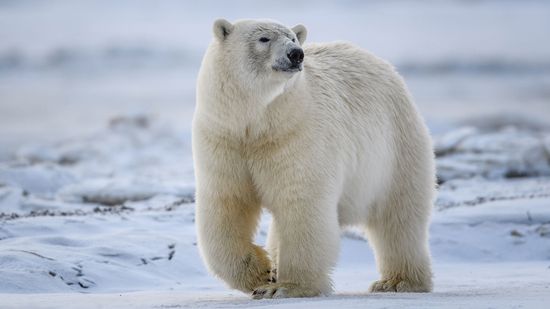
How Polar Bears Work

Bison vs. Buffalo: What's the Difference?

Lamb vs. Sheep: Do You Know the Difference?
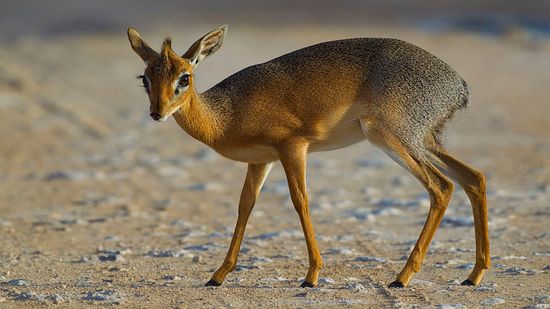
Dik-dik: The Tiny Antelope With the Embarrassing Name
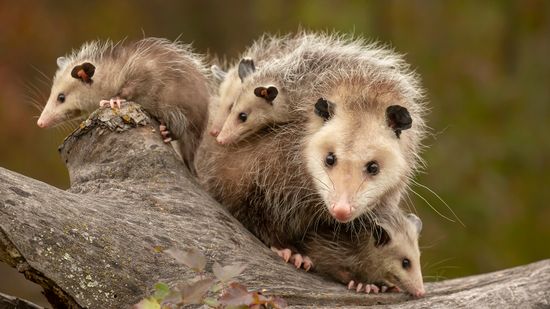
What Do Possums Eat? Most Things, It Turns Out
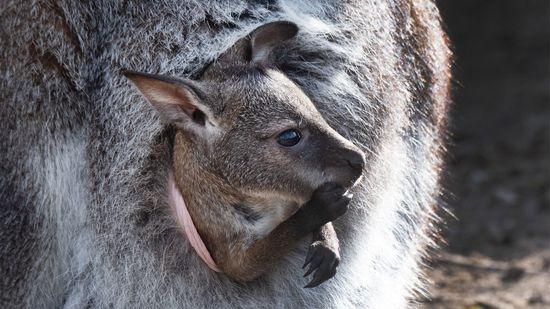
What's It Like Inside a Kangaroo's Pouch?
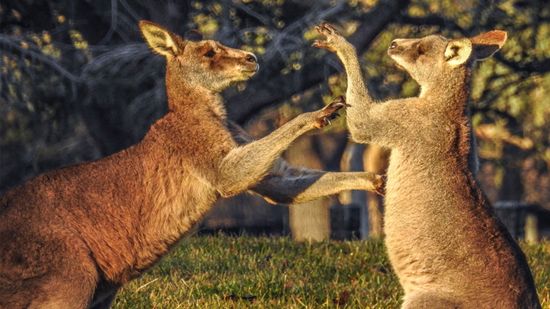
Do Kangaroos Really Box?
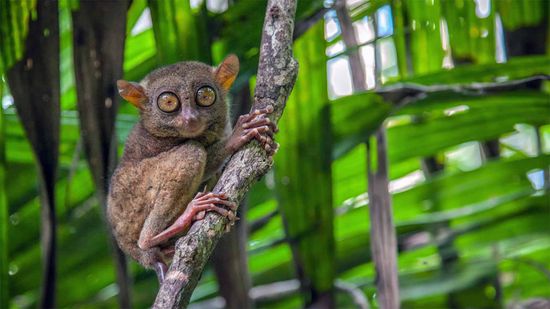
The Tarsier Is One Weird Primate, and Yes, We're Related
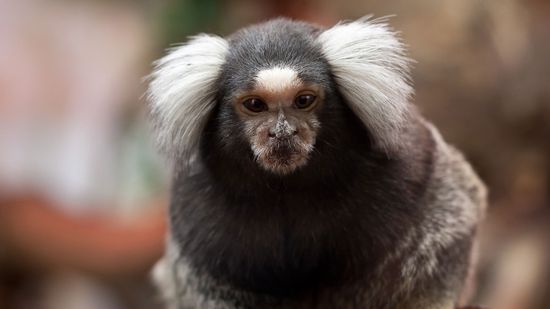
Marmosets Are Tiny, Upper Canopy-dwelling Monkeys
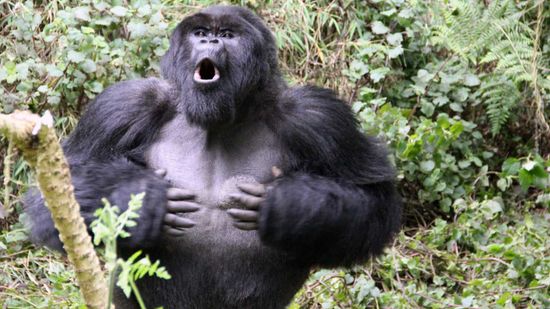
Why Do Gorillas Beat Their Chests?

Rat vs. Mouse Identification: Which Is Eating Your Cheese?

Chipmunk vs. Squirrel Sizes, Habitats and Characteristics
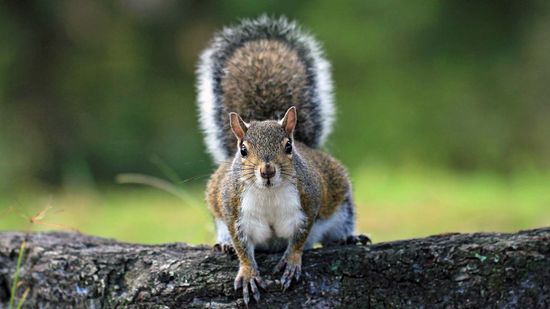
How Long Do Squirrels Live?
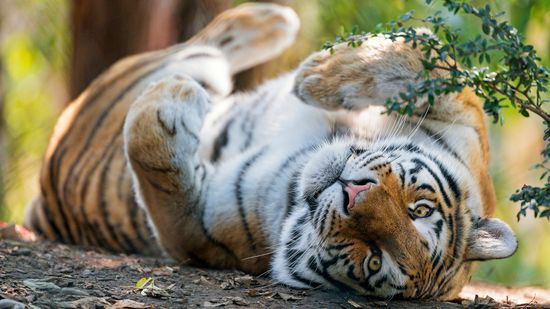
What Is the Biggest Cat in the World? Top 9 Species in the Wild

Cheetah vs. Leopard: Can You Spot the Differences?

Bunny vs. Rabbit: Is There a Difference?
Learn More
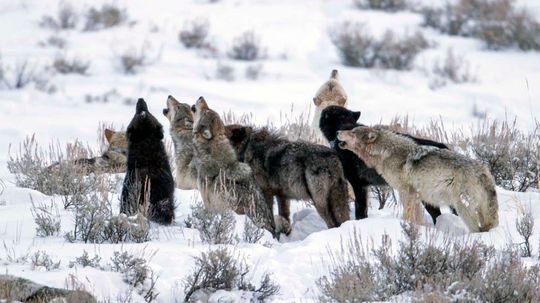
A federal judge reversed a Trump administration ruling that removed the gray wolf from the Endangered Species Act. Here's why.
By Logan Smith
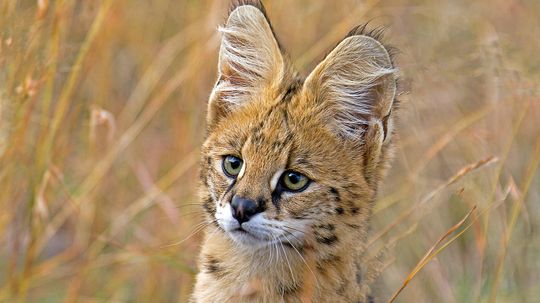
Servals have long legs and necks, which allow them to spot prey over the tall grasses of the savanna, but their huge ears give them their best weapon — an acute sense of hearing.
By Mark Mancini
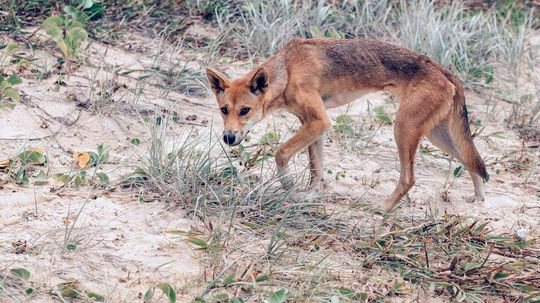
These wily canines are probably best known because of the phrase "a dingo ate my baby." But come on. Did a dingo really eat a baby? And do they even attack humans?
By Meg Sparwath
Advertisement
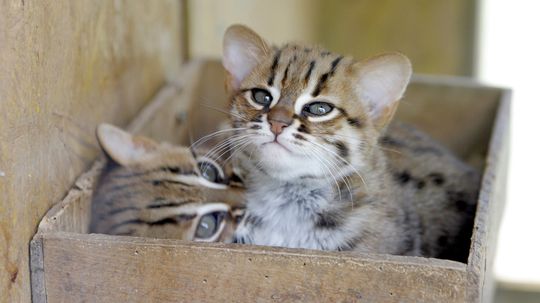
This kitten-looking wild cat is known as the 'hummingbird of the cat family' and could almost fit in the palm of your hand, but its diminutive size belies a ferocious personality.
By Wendy Bowman
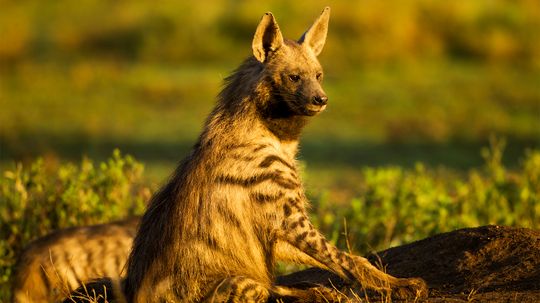
Aardwolves aren't closely related to either aardvarks or wolves, but these little hyenas resemble both in some ways.
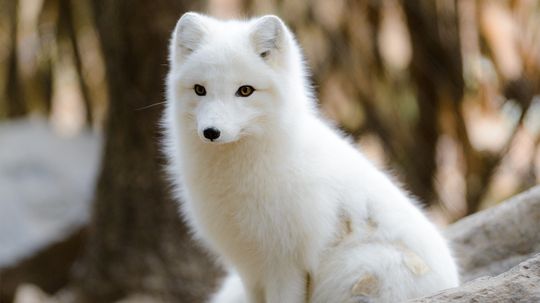
The arctic fox is able to thrive in temperatures as low as -58 degrees F (-50 degrees C), largely because it has fur on the soles of its feet and the warmest coat of any animal on Earth.
By Wendy Bowman
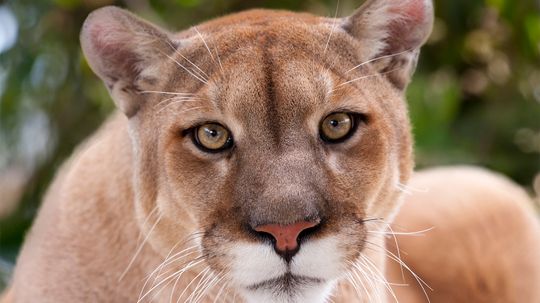
Puma, panther, mountain cat, mountain lion, mountain screamer, painter, catamount and, yes, cougar. This cat has a lot of names!
By Wendy Bowman
Advertisement
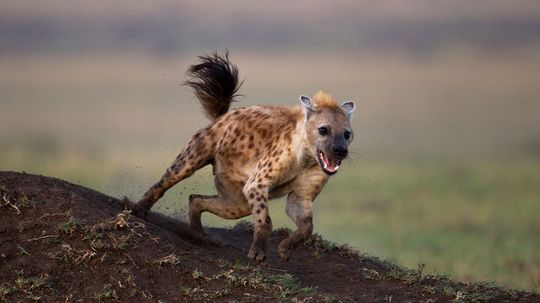
With their fierce jaws and cunning hunting tactics, spotted hyenas don't seem to have much to joke about. So what do those spine-chilling peals of laughter really mean?
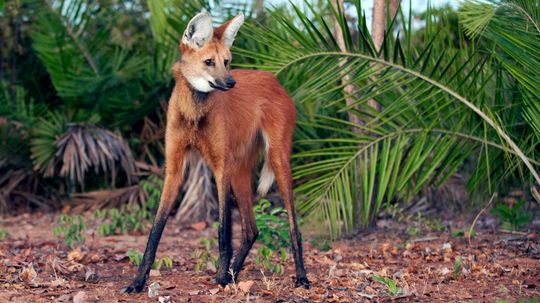
The maned wolf might as well be called a werewolf given its unfortunate name. You see it's not a wolf at all, and despite all appearances, it isn't a fox either.
By Mark Mancini
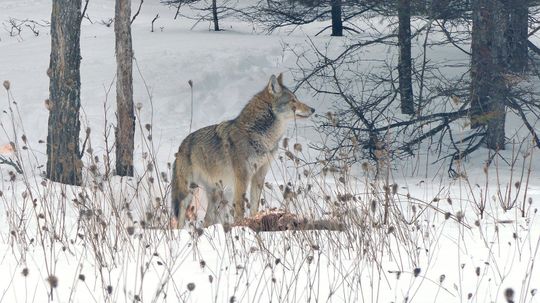
They have been called both “coywolf” and “coydog,” but the majority of the scientific community recognizes this hybrid animal simply as the “eastern coyote.”
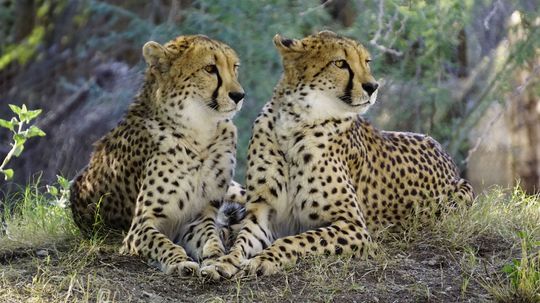
With lightning speed and incredible vision, the cheetah is the fastest land animal on Earth and the best hunter on the savanna.
Advertisement
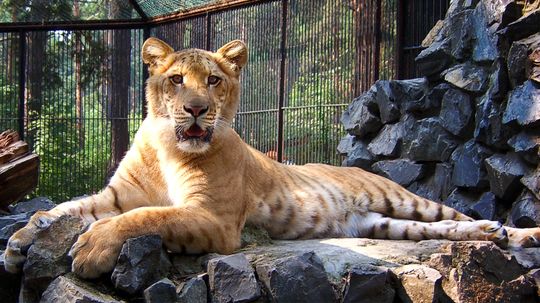
Whaddya get when you cross a lion and a tiger? Yep — you get a liger, of course. But why are they considered controversial?
By Wendy Bowman
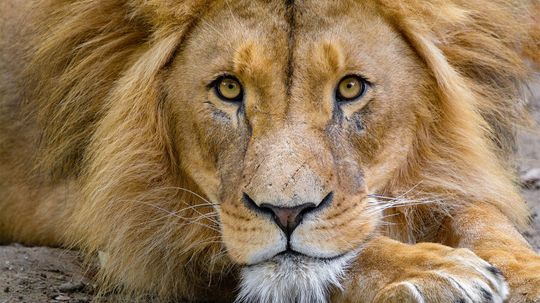
The proverbial "king of the beasts," lions are second in size to just one other cat in the world, the tiger. But a lion's biggest fear? Tangling with a porcupine the size of a small dog.
By Mark Mancini
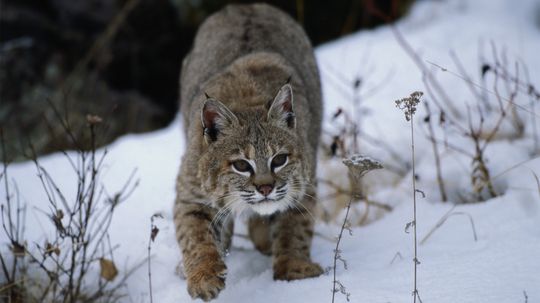
It turns out that bobcats do just fine if not actively hunted by humans.
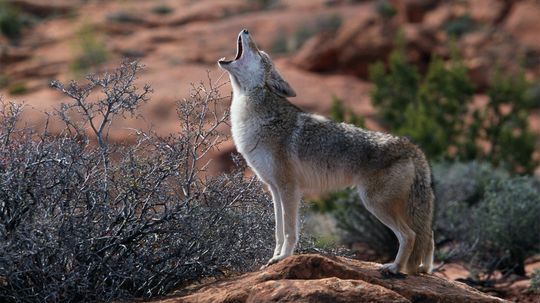
Though ol' Wile E. never did catch the Road Runner, coyotes are some of the most ingenious and adaptable animals on the planet.
Advertisement
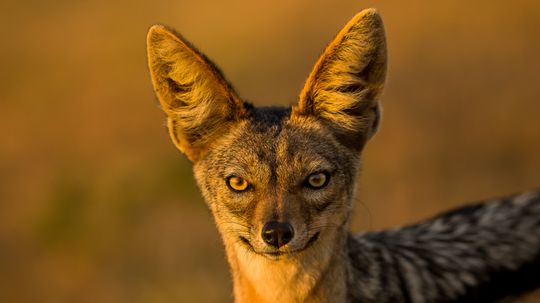
Jackals, formidable members of the canine family, are often portrayed in traditional world folklore as wily tricksters, up to no good. They are actually brilliant survivalists.
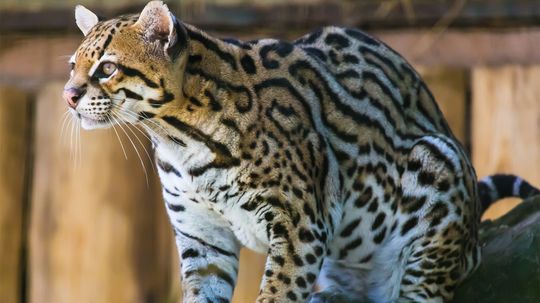
The ocelot may look like a slightly wilder version of a domesticated tabby cat, but they are three times the size of house cats, much fiercer and, though abundant in some areas, still endangered.
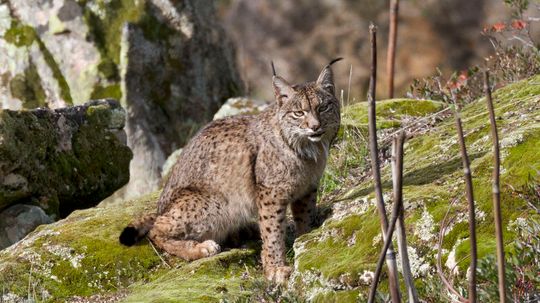
When we think of big cats in the wild, we most likely think of lions and tigers. But there are so many more amazing wild cats you've probably never even heard of. Here are five.
By Oisin Curran
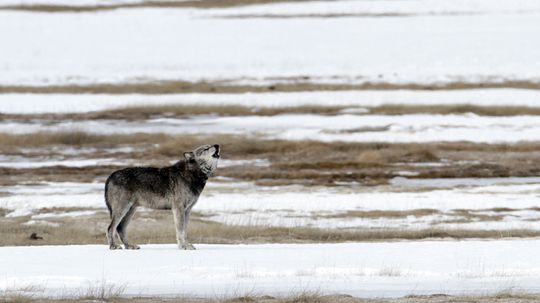
A first-of-its-kind study reaffirms why wolves are vital to the health of our ecosystem.
Advertisement
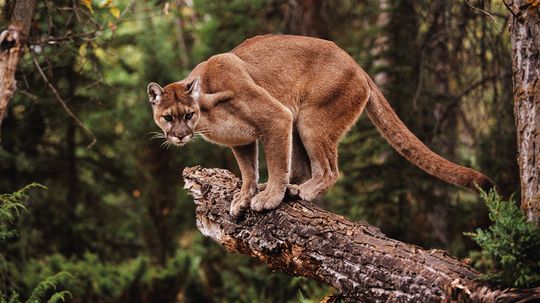
By frightening top predators, the fear of humans may be distorting ecosystem processes even more than previously imagined.
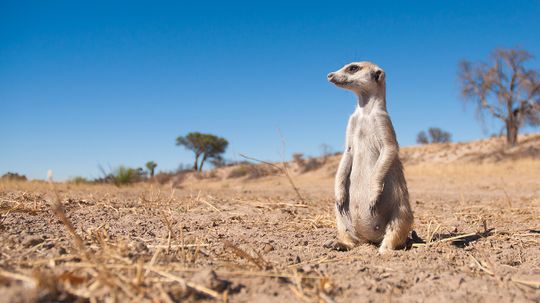
A new scientific study reveals that the smells unique to meerkat communities aren't produced by the meerkats themselves.
By Chris Opfer
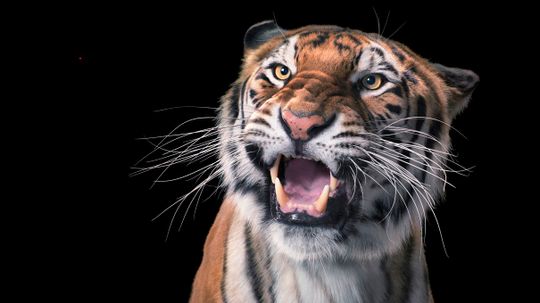
House cats seem to love chasing laser pointers. But what about their larger, wilder cousins?
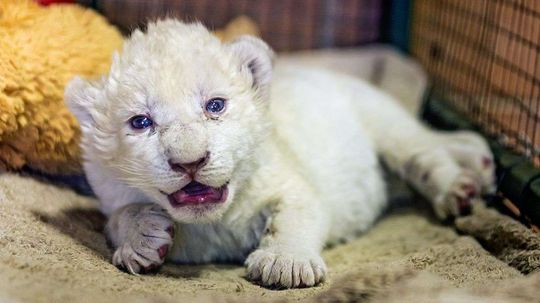
The cuddly cubs were born in the same zoo that experienced disastrous flooding in 2015.
Advertisement
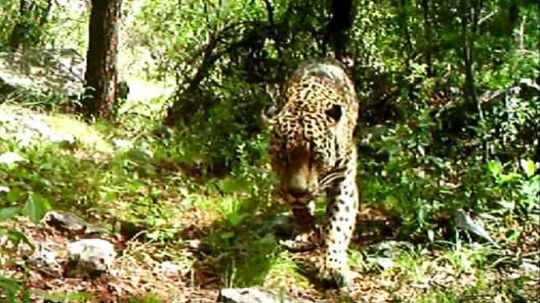
Motion-sensing cameras, detailed maps and a special poop-detecting dog all played a part in finding the jaguar nicknamed "El Jefe."
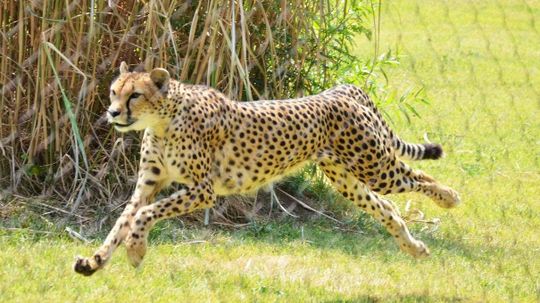
Breaking multiple records, Sarah set speeds never matched by any other animal. She was euthanized earlier this week by the staff at the Cincinnati Zoo, where she lived.