
Marine Mammals
Aquatic mammals such as whales and dolphins live and feed in the ocean. The Blue Whale is the biggest mammal on Earth.
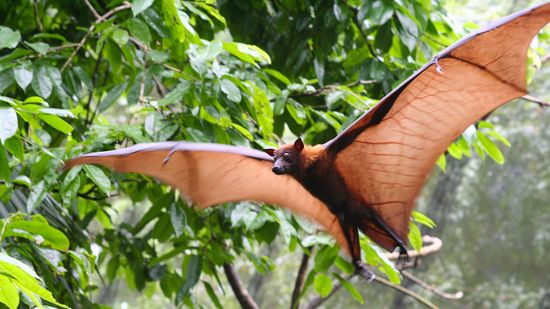
The Largest Bat in the World Has a Wingspan Over 5 Feet
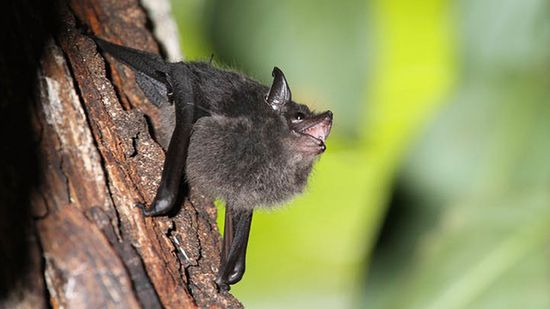
Baby Bats Babble With Moms, Hinting at Human Language Development
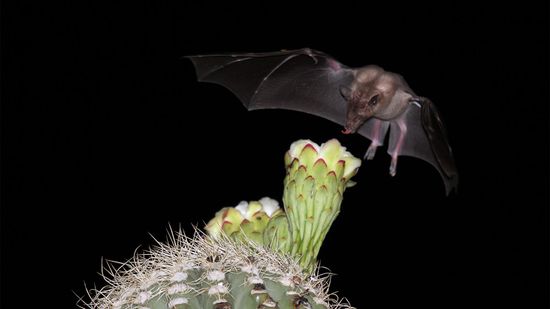
Fruit Bats Are the Best Pollinators (and Suppliers of Tequila)
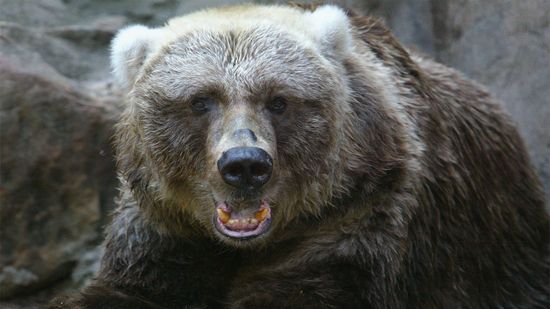
Alaska's Kodiak Bear Is One of the Planet's Biggest
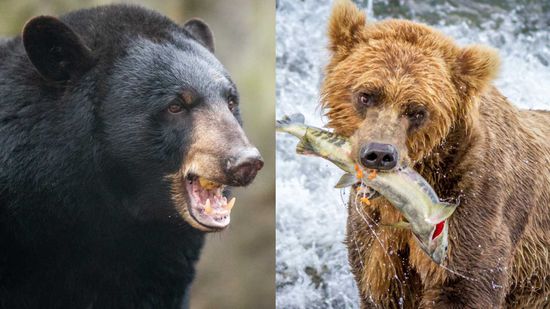
What's the Difference Between a Brown Bear and a Black Bear?
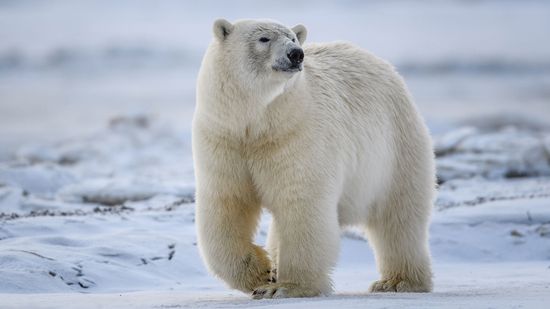
How Polar Bears Work
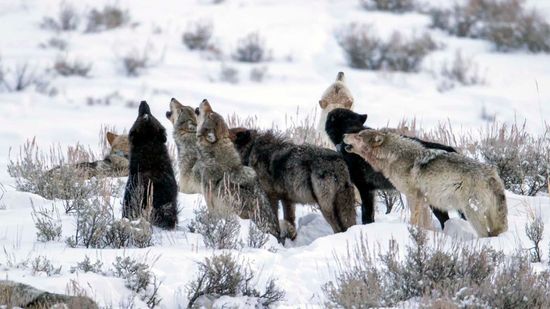
Gray Wolves Will Get Federal Protection Again in Much of U.S.
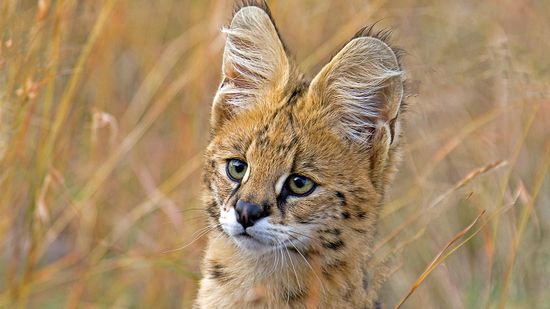
The Serval Stands Tall and Jumps Like A Champion
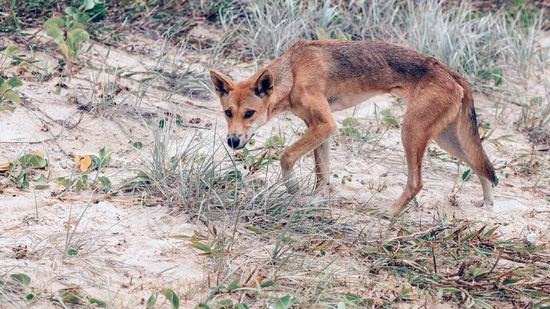
Are Dingoes Dangerous (and Did One Really Eat a Baby)?

Bison vs. Buffalo: What's the Difference?

Lamb vs. Sheep: Do You Know the Difference?
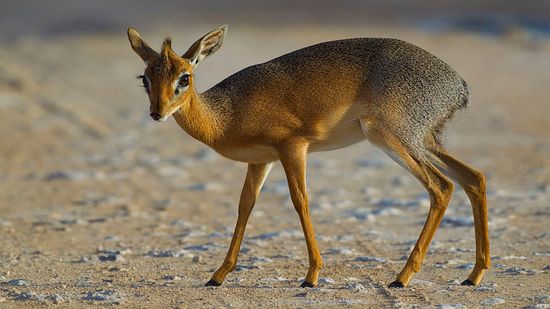
Dik-dik: The Tiny Antelope With the Embarrassing Name
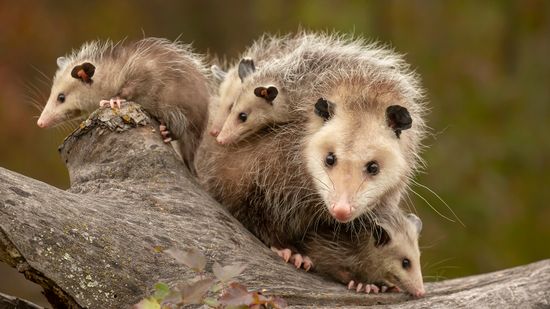
What Do Possums Eat? Most Things, It Turns Out
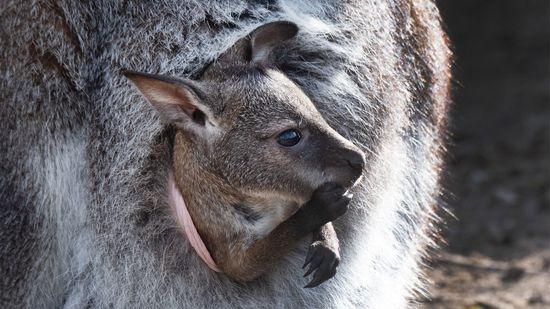
What's It Like Inside a Kangaroo's Pouch?
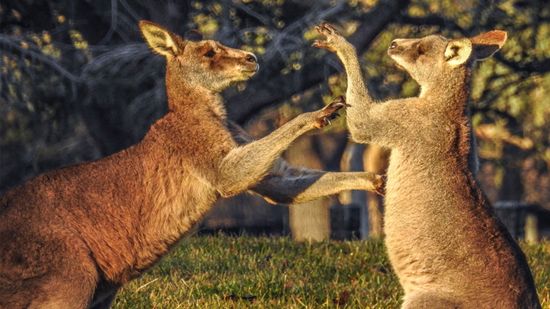
Do Kangaroos Really Box?
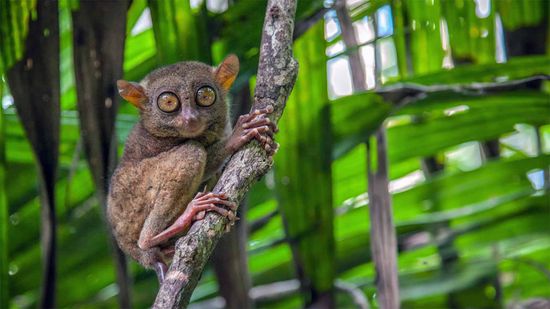
The Tarsier Is One Weird Primate, and Yes, We're Related
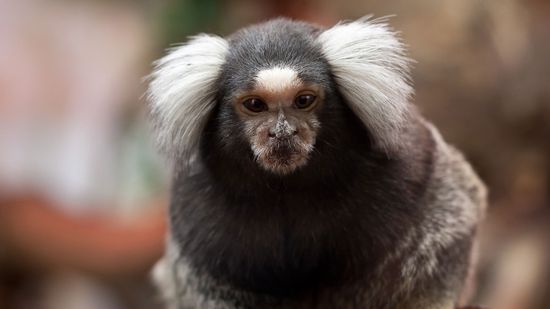
Marmosets Are Tiny, Upper Canopy-dwelling Monkeys
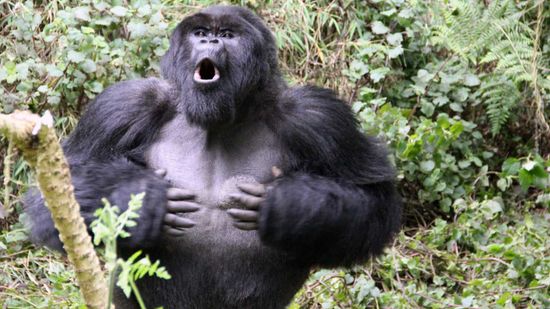
Why Do Gorillas Beat Their Chests?

Rat vs. Mouse Identification: Which Is Eating Your Cheese?

Chipmunk vs. Squirrel Sizes, Habitats and Characteristics
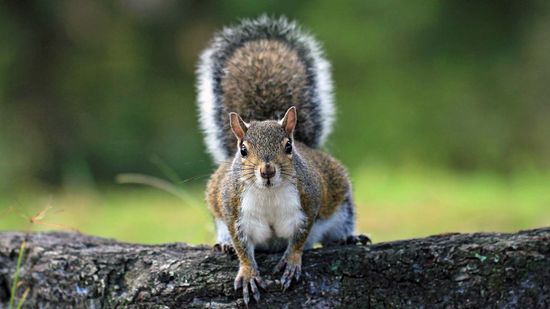
How Long Do Squirrels Live?
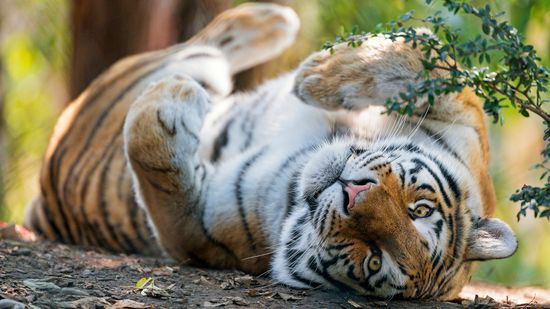
What Is the Biggest Cat in the World? Top 9 Species in the Wild

Cheetah vs. Leopard: Can You Spot the Differences?

Bunny vs. Rabbit: Is There a Difference?
Learn More
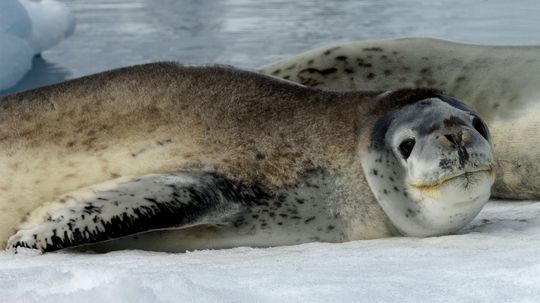
Leopard seals are the second largest species of seal in the Antarctic after the southern elephant seal. They're fast, powerful and eat basically anything that moves. Their only natural predator? The killer whale.
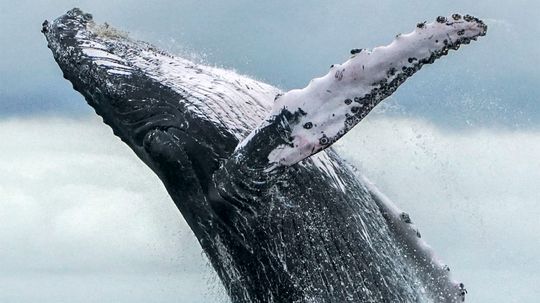
Humpback whales can be as long as a city bus and weigh as much as two. They love to breach and water slap with their fins and tails, making them a perennial favorite for whale watchers.
By Katie Carman
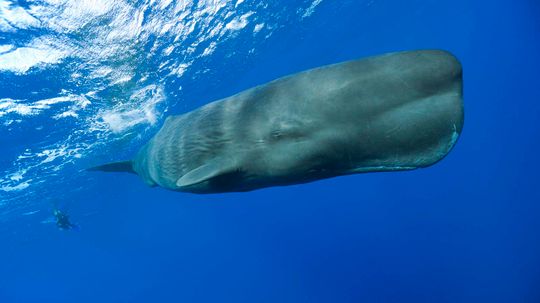
Sperm whales are one of the largest creatures in the ocean. And they have the biggest brain on the planet. So are they also the smartest? We'll tell you.
By Wendy Bowman
Advertisement
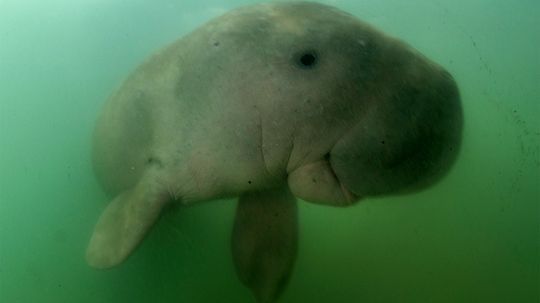
Their mamas may be the only ones who can tell them apart, but there are major differences between these cousins, one being the type of water in which they can survive.
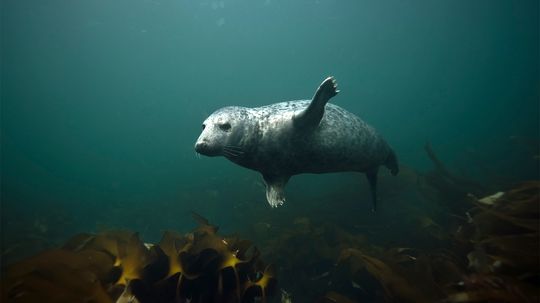
Seals have long been known as dry-land clappers, but the first-ever percussive clapping observed by scientists has blown seal clapping theory out of the water. Or should we say under the water?
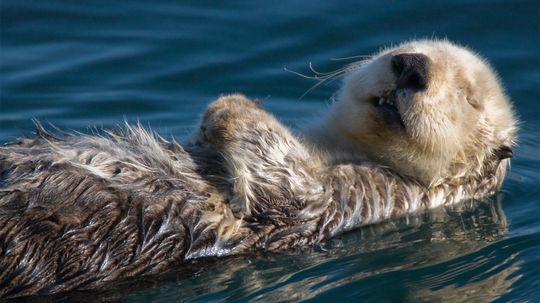
Sea otters are adorable, back from the brink of extinction and will totally bite you.
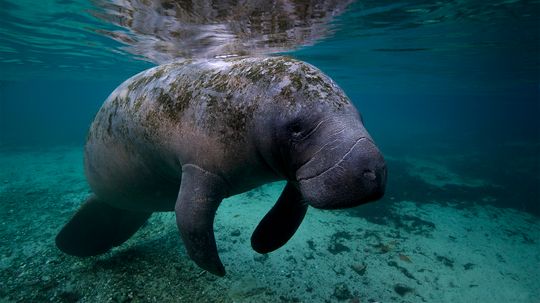
Manatees are so gentle and sweet they'll break your heart, but in 2021, there have been more manatee deaths than in any year in previously recorded history. Why are these gentle giants dying in such unprecedented numbers?
Advertisement
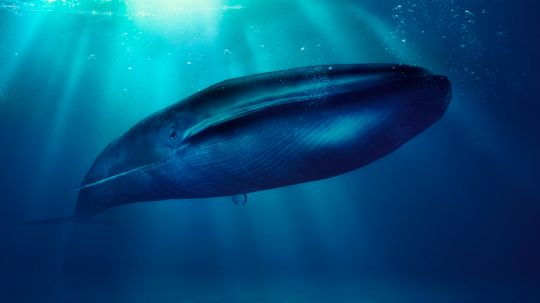
It is the largest animal ever to exist on the planet.
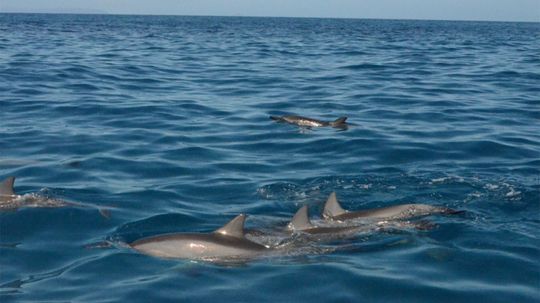
A dolphin doesn't breathe automatically, so during sleep, one side of its brain stays awake to ensure the mammal rises to the surface and breathes.
By Loraine Fick
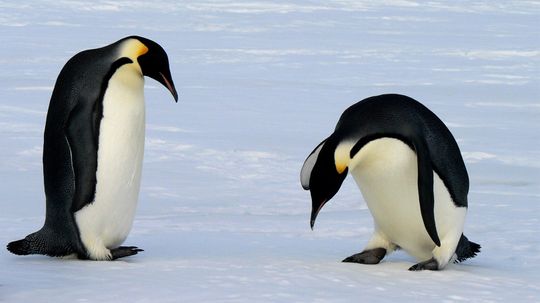
Penguins stand for months on the coldest ice in the world without their feet freezing, thanks to special blood circulation.
By Loraine Fick
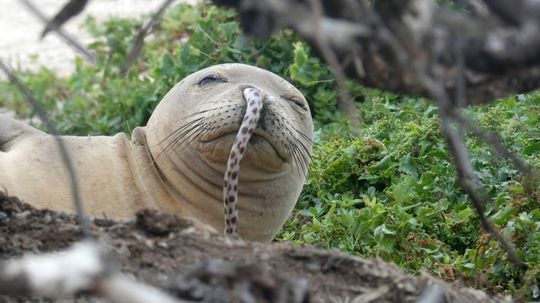
It looks excruciating, and nobody knows exactly why it happens.
Advertisement
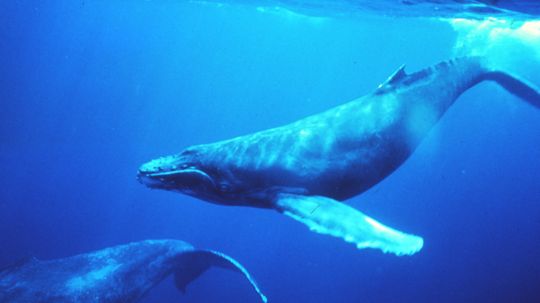
Do humpback whales get tired of singing the same old song, or do they simply start over when it gets too complicated?
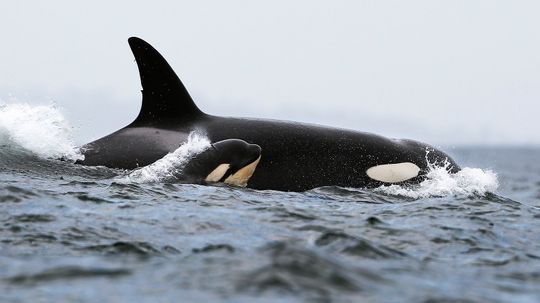
A new study paints a grave future for the killer whale, all because of the now-banned chemicals polychlopinated biphenyls — PCBs.
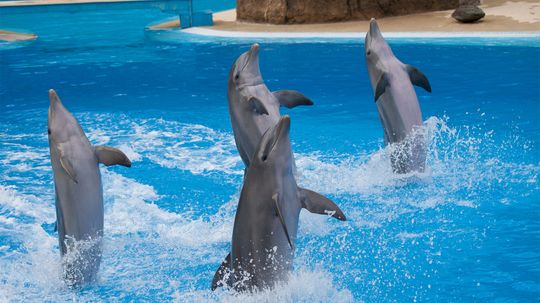
A dolphin named Billie learned a dolphin-show trick from some captive dolphins, taught her wild friends how to do it and started a fad.
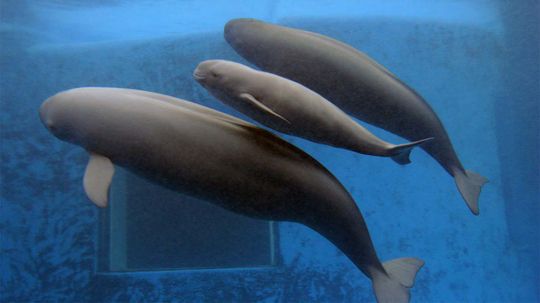
Breaking news: Dolphins and porpoises don't actually look very much alike.
Advertisement
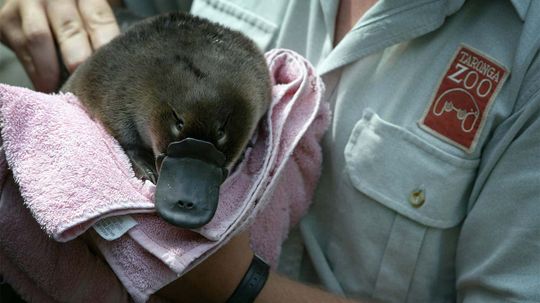
The platypus may look a bit absurd and bizarre, but its milk might hold the secret to fighting antibiotic-resistant bacteria.
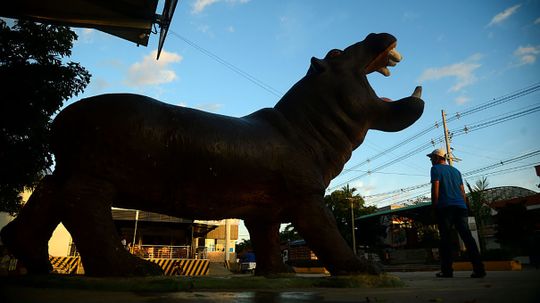
Thanks to the excesses of narcoterrorist Pablo Escobar, Colombian waterways now house a population of these invasive African giants.
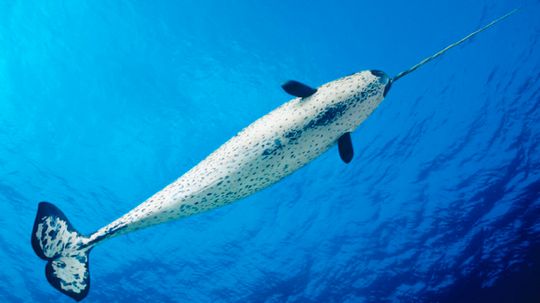
It's the first evidence researchers have of the whales using their "unicorn horns" to capture prey.
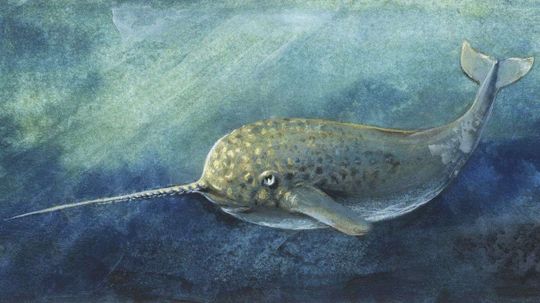
It turns out that one of the world's most enchanting animals has even stronger superpowers than we previously knew. Surprise!
Advertisement
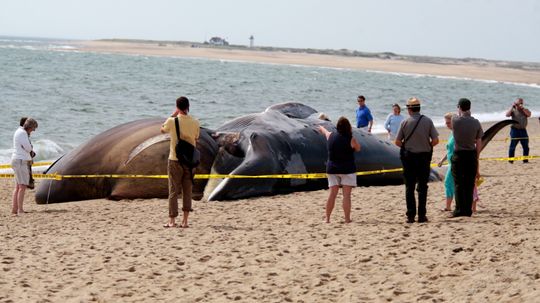
If a massive whale washed up on your beachfront, you'd think that the bulk of the problem would be ... well, its bulk. But if you were covered in decomposing whale guts, you'd think differently.
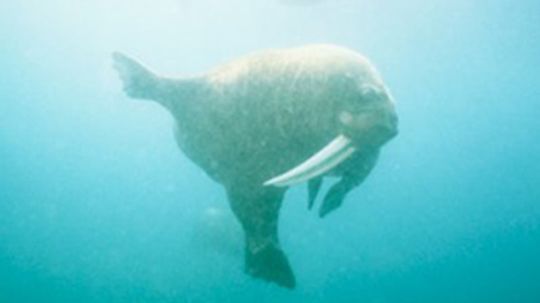
Whether you're sleeping on a water bed or napping during a rainstorm, water has a calming effect. Walruses also make use of soothing waves, but why don't they drown when catching submerged shut-eye?
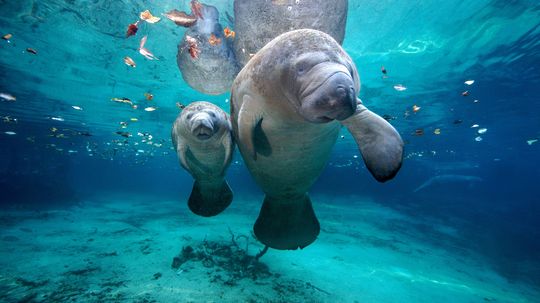
If you don't make it past that first "E" during your annual vision test, you might give bats a reprieve by calling yourself "blind as a manatee."
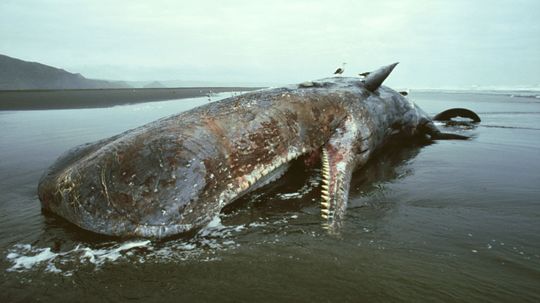
Vindictive whales like Moby Dick sometimes give these giants of the sea a bad rap. But whales do a lot for their ecosystem, especially after they go to Davy Jones' locker.
Advertisement
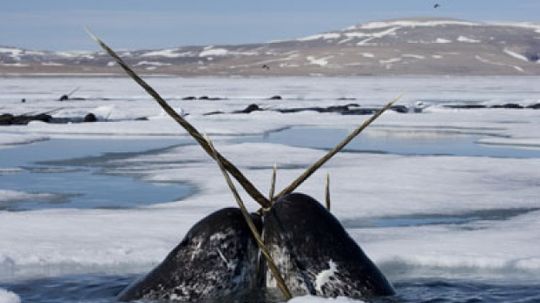
What? You've never heard of a narwhal? Well, it's a cold-water-dwelling, deep-diving, vocalizing, halibut-munching wonder with its very own ivory crown. Did we mention its crazy tusk?
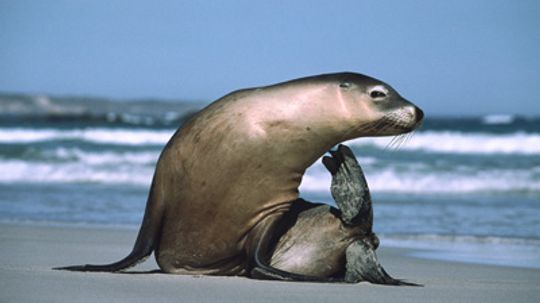
Dog shows aren't the only places you'll hear barking and clapping. Seals and sea lions welcome beachgoers with their uproarious get-togethers. But how do you tell the difference between the two?