
Crustaceans
There are more than 52,000 species of Crustaceans in the world which include popular marine animals like lobsters, crabs, shrimp, crayfish and barnacles. Smaller crustacean breathe through their bodies and larger ones breathe through gills.
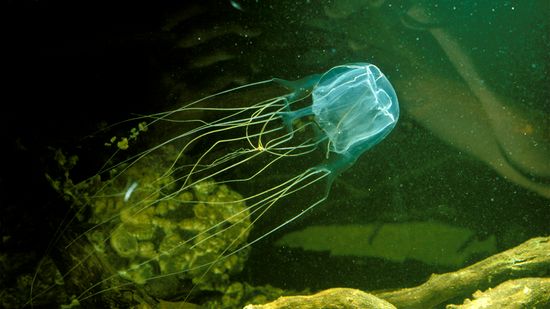
Box Jellyfish: World's Most Venomous Sea Creature
Stinging 'Sea Lice' Invading Atlantic Beaches
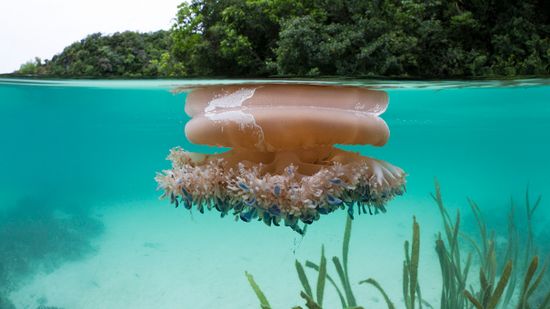
Jellyfish Don't Have Brains, But They Still Sleep
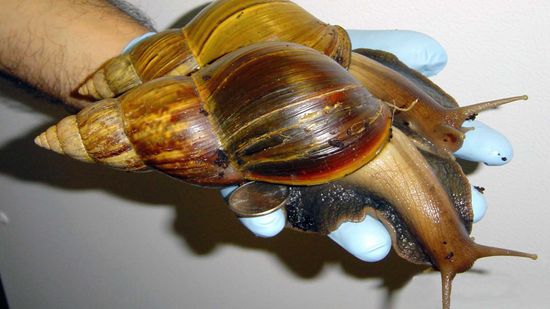
Giant African Land Snails Invade South Florida Again
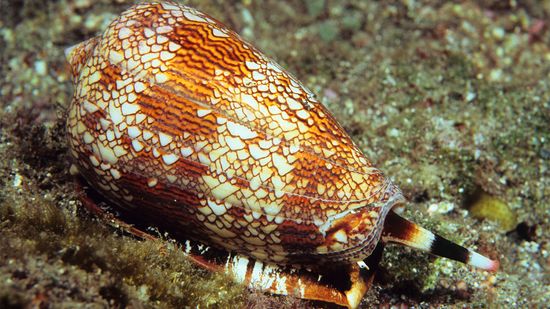
The Cone Snail Is a Slow, but Highly Venomous, Predator
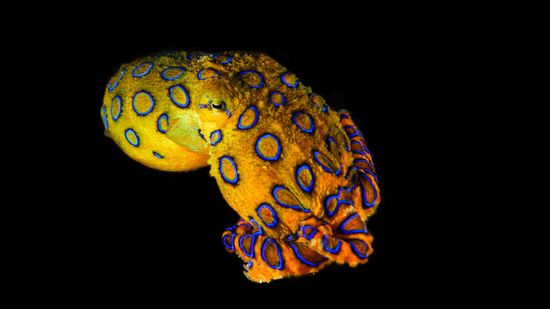
The Tiny Blue-ringed Octopus Is the Ocean's Deadliest

The True and Tragic Story of Tilikum, SeaWorld's Captive Orca

10 Deep Sea Creatures That Are (Almost) Too Bizarre to Be Real
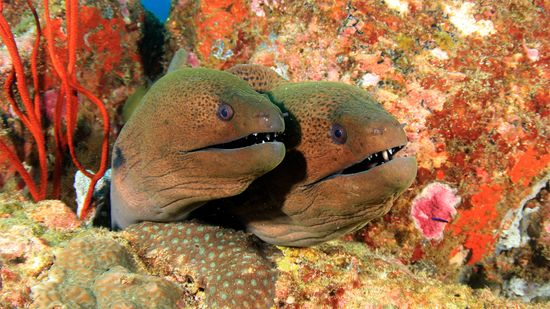
How Do Eels Reproduce?
Learn More
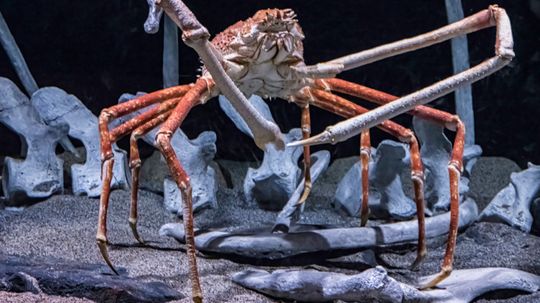
Known for their long legs, pincers and hard shells, most crustaceans are omnivorous scavengers, although some are predators or vegetarians. Either way, a steady diet can assist certain crab species in growing to incredible sizes.
By Marie Look
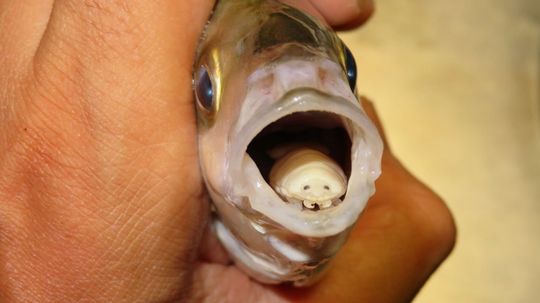
Cymothoa exigua will make you feel very glad you're not a fish.
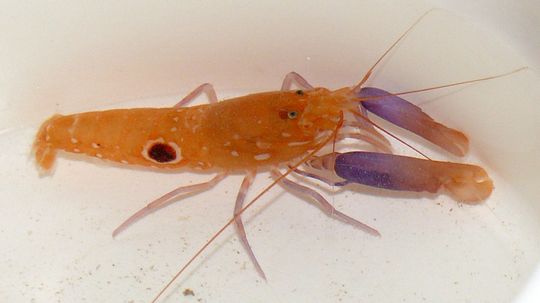
The pistol shrimp is feared in the ocean for its ability to hit a prey with air bubbles that travel 82 feet per second, pop at 218 decibels and deliver 8,000 degrees Fahrenheit of heat.
By Katie Carman
Advertisement
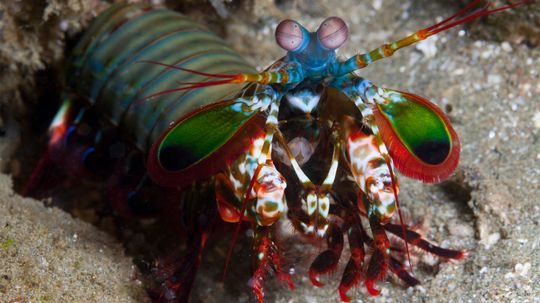
These brightly colored crustaceans can smash aquarium glass or quickly cut through a human finger, so whatever you do, keep your distance.
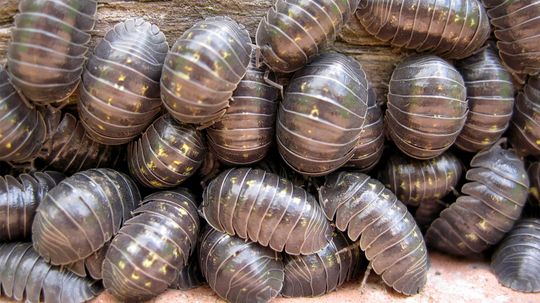
Roly-poly bugs are natural soil conditioners because they process decomposing matter, helping keep your garden soil clean and healthy. And — fun fact — they're crustaceans, not insects.
By Jeremy Glass
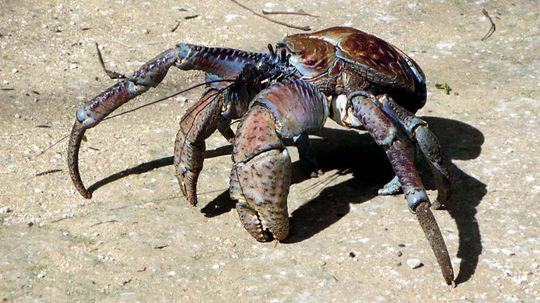
The biggest land-dwelling arthropod can crack into everything from coconuts to carcasses, but they're also really vulnerable.
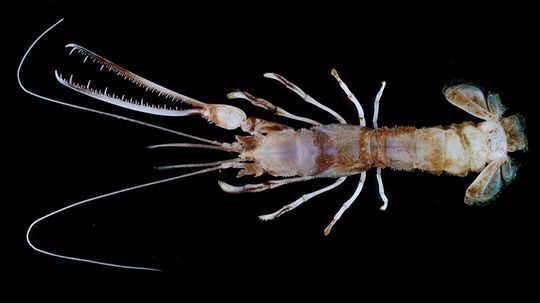
The first-ever deep-sea exploration of West Java seas netted more than 12,000 marine creatures, including some new species of crabs, prawns and lobsters.
By Oisin Curran
Advertisement
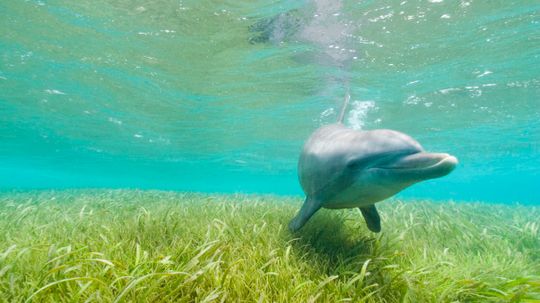
Scientists have discovered for the first time that animals pollinate flowers in the ocean.
By Alia Hoyt
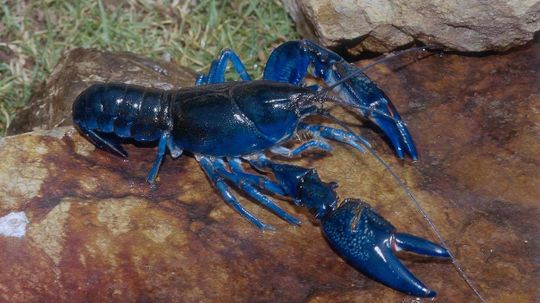
A Massachusetts fisherman recently caught a blue lobster, which had us wondering how rare this crustacean really is.
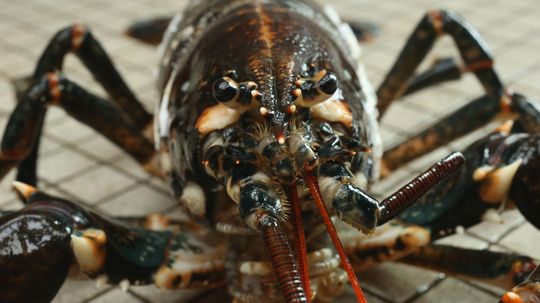
Do you think much about the lobster before you crack it open and dip it in butter? These humble animals have some very odd habits. For one thing, they pee out of their faces.
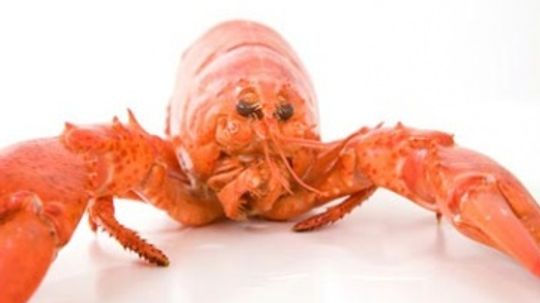
Although no one can yet tell how old lobsters get, they show no apparent signs of aging. Learn why lobsters live so long and get so big, and what this means for other animals, including humans.