
Other Marine Life
Learn about some of the some of the most bizzare marine life under the sea, such as Sea Squirts, sponges and even Sea Monkeys.
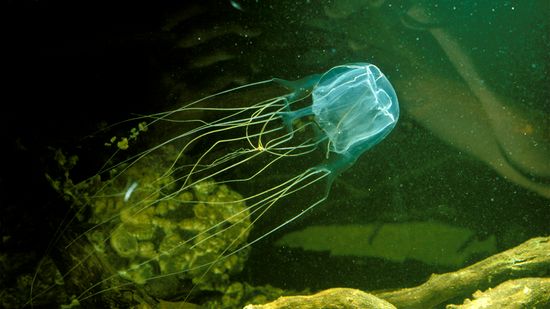
Box Jellyfish: World's Most Venomous Sea Creature
Stinging 'Sea Lice' Invading Atlantic Beaches
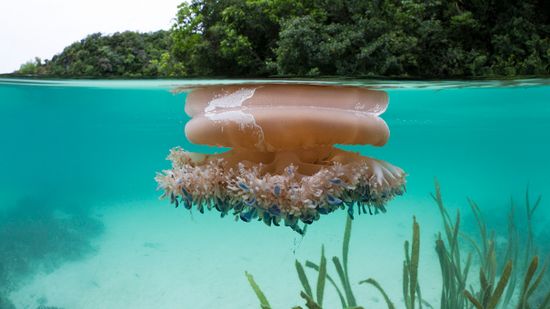
Jellyfish Don't Have Brains, But They Still Sleep
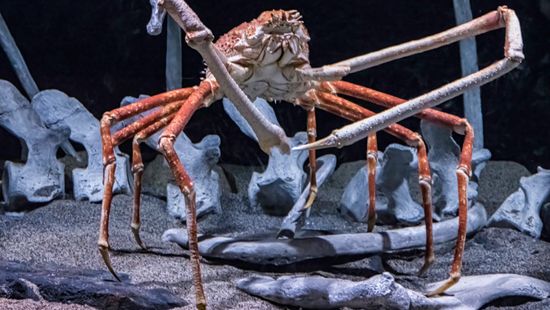
The Biggest Crab in the World, Plus 8 Enormous Contenders
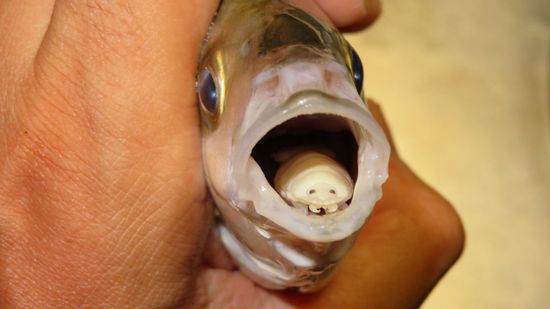
Why No Fish Wants a Tongue-eating Parasitic Louse in its Mouth
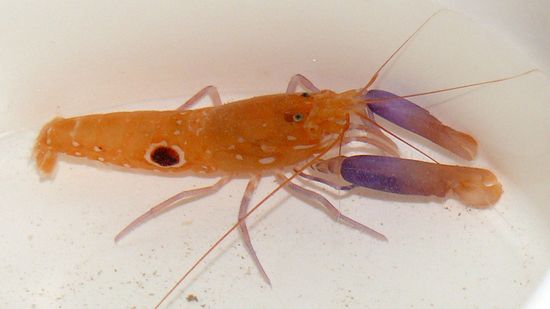
Pistol Shrimp: The Fastest Gun in the Sea
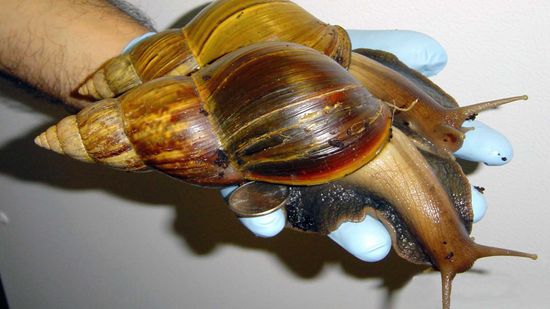
Giant African Land Snails Invade South Florida Again
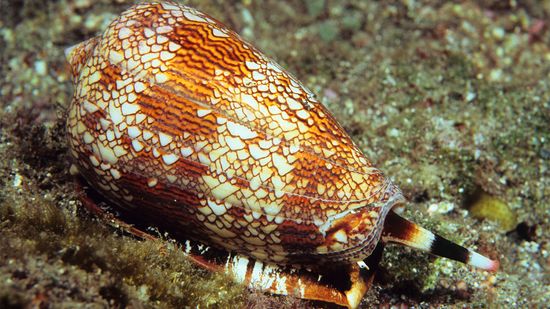
The Cone Snail Is a Slow, but Highly Venomous, Predator
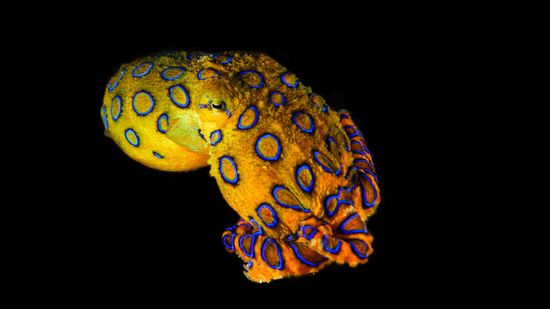
The Tiny Blue-ringed Octopus Is the Ocean's Deadliest
Learn More
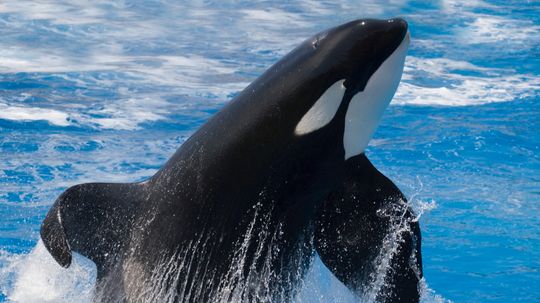
Orcas are known as "killer whales" because they are apex predators. In the wild, highly social killer whales prey on sharks, seals, dolphins and even other whales.
By Sascha Bos
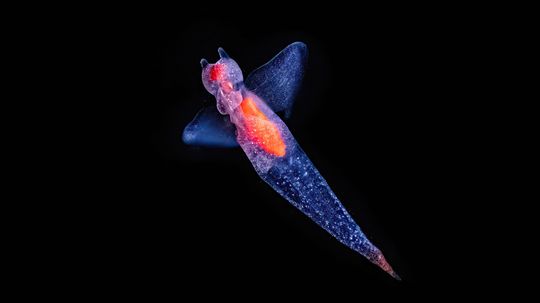
Far below the ocean's surface, in the dark depths of the deep sea floor ecosystem (about 3,000 feet or 1,000 meters deep), exists an entire world of deep sea creatures that humans rarely glimpse.
By Sascha Bos
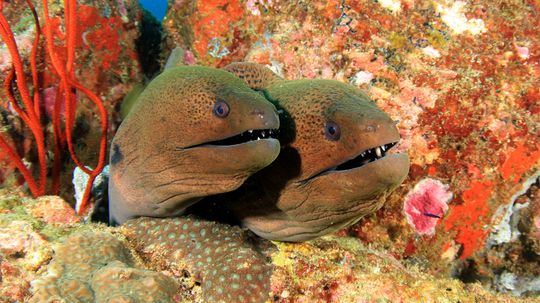
It's a slippery proposition, to be sure, but bees do it, birds do it and you can bet that eels do it too. The question is, how do eels reproduce?
By Mark Mancini
Advertisement
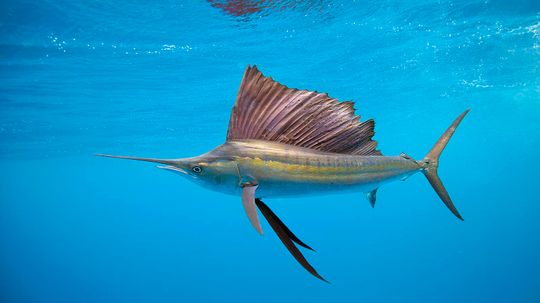
Sailfish are the fastest known animal in the ocean. Just how fast? As fast as a cheetah. That's how fast.
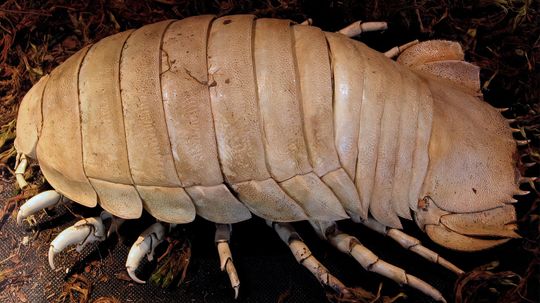
Tons of these humongous bug-like creatures live in the darkest depths of the sea, but they are still somewhat of a mystery to us humans.
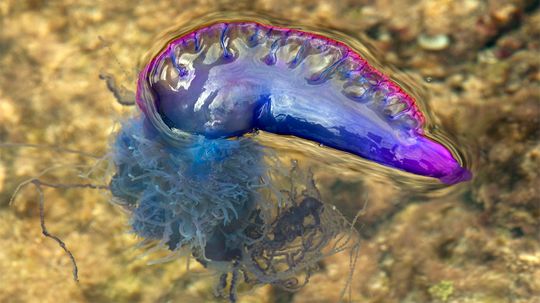
Even washed up on the beach, the Portuguese man-of-war can deliver searing pain with its stinging tentacles, so whatever you do, don't touch it.
By Mark Mancini
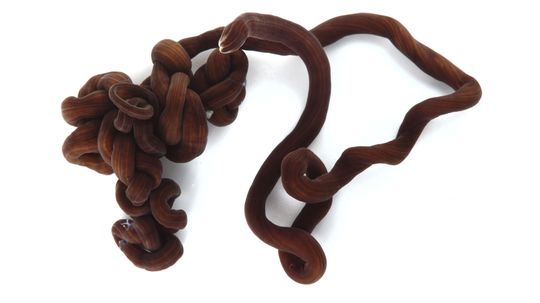
You might not think a worm could be longer than a whale, but allow us to introduce you to the bootlace worm, one of the longest animals on the planet. And, oh and it packs a potent toxin, too.
By Mark Mancini
Advertisement
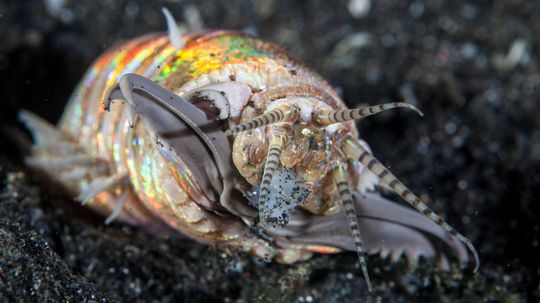
Yes, this terrifying worm was named after the infamous Bobbitt case. And with good reason.
By Mitch Ryan
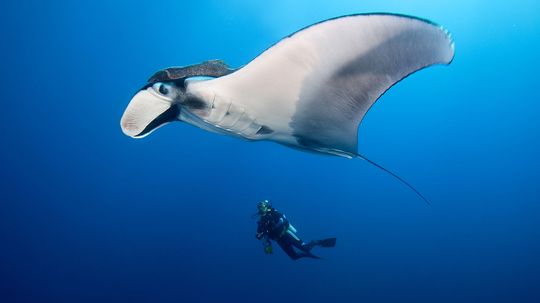
These two sea creatures can be easy to confuse. But they're actually quite different. We talked to experts to find out how to tell them apart.
By Wendy Bowman
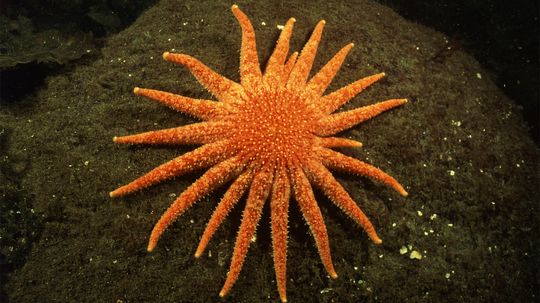
What lives in water, has no gills, scales or fins and is not a fish? Yep, a starfish — which is why marine biologists have renamed these creatures sea stars.
By Wendy Bowman
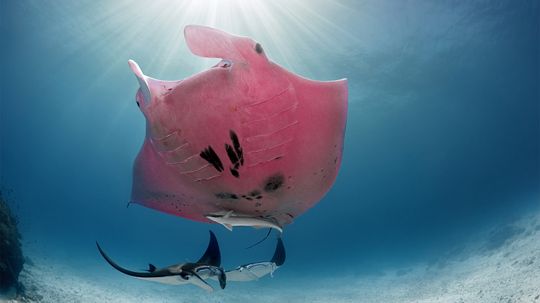
A bright pink manta ray named Inspector Clouseau is causing a splash on the runway of the Great Barrier Reef.
Advertisement
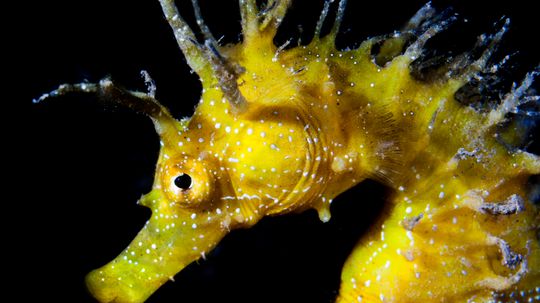
Dwindling natural habitats are causing a significant decline in certain seahorse species. To bolster populations, researchers in Australia are building seahorse hotels and leaving the lights on.
By Wendy Bowman
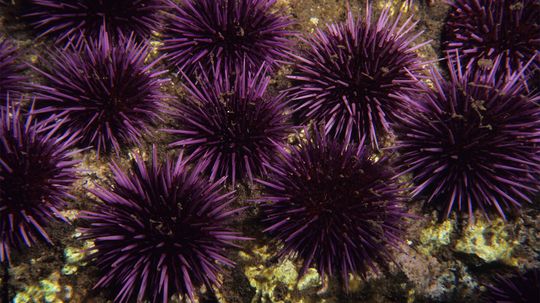
What sea creature looks like a spiny pincushion and is considered a delicacy to gastronomes around the world? Yep, the sea urchin.
By Jeremy Glass
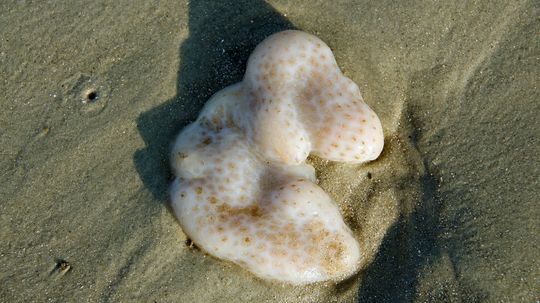
Is that a dolphin pancreas? Some extremely firm manatee vomit? Nope, it's sea pork!
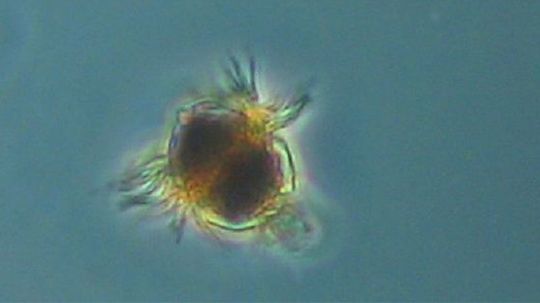
The single-celled Mesodinium chamaeleon harnesses algae, which lives inside it, for energy.
By Loraine Fick
Advertisement
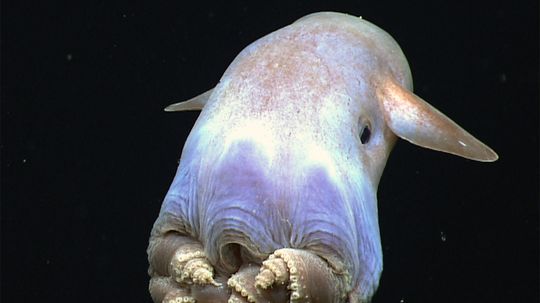
The Dumbo octopus is just one of the amazing creatures filmed by the most recent voyage of the E/V Nautilus.
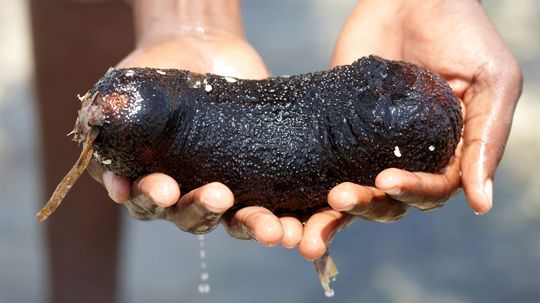
The kindest thing you can say about a sea cucumber's physique is that it looks very much like a large hoagie bun dressed in a lumpy old sweater.
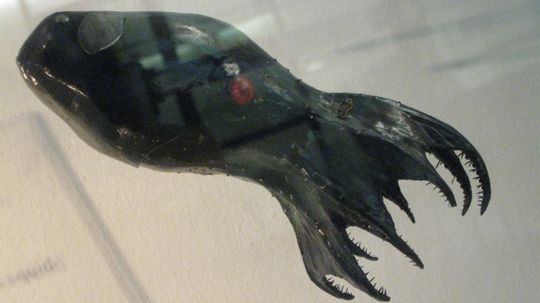
You can't tell a book by its cover, and you can't tell a squid by its Nosferatu getup.
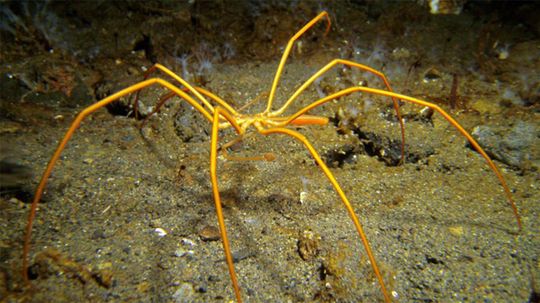
Sea spiders don't do anything by the book, and researchers have just gotten to the bottom of how they breathe.
Advertisement
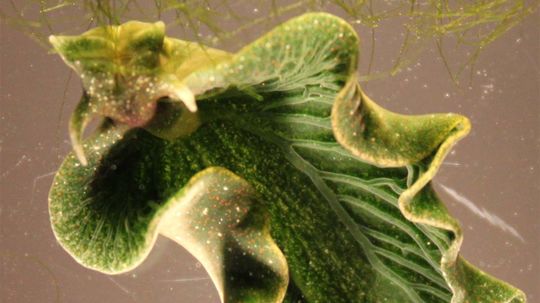
By incorporating algae into their bodies, these beautiful sea slugs become one of the few animals with the photosynthetic ability of a plant.
By Amanda Onion
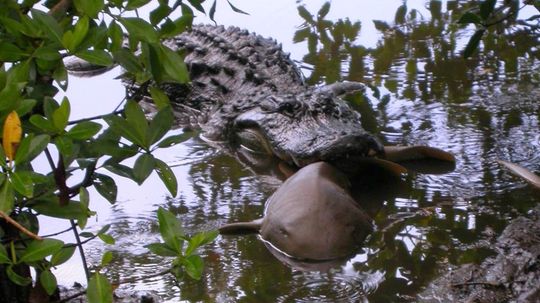
Crocodiles are known to eat just about anything. But sharks? A scientific team found evidence that they've chowed down on those predators too.
By Mark Mancini
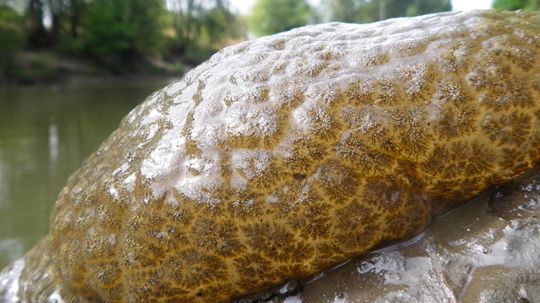
The magnificent bryozoan is a colonial organism that lives in warm ponds and lakes usually east of the Mississippi River. So what's it doing in western Canada?
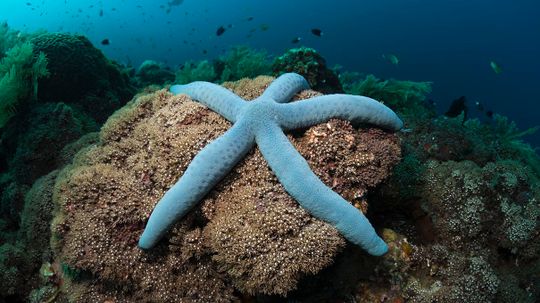
It's not easy being a starfish larva. Fortunately, the tiny creatures have an efficient way to get food and swim away.
By Alia Hoyt
Advertisement
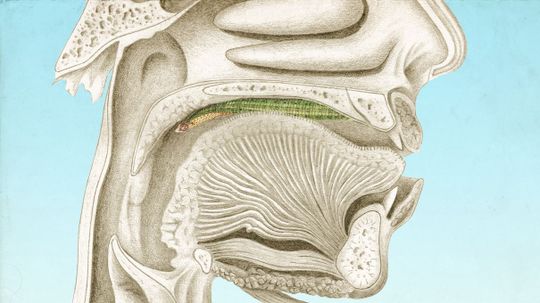
It sounds crazy, but it's happened before, and it'll probably happen again.
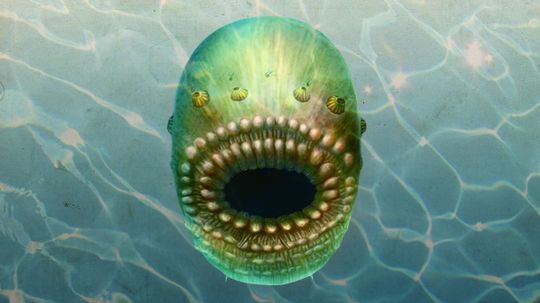
New fossil analysis details a microscopic organism from 540 million years ago that just might be a precursor to every vertebrate on the planet.