
General Cat Care Tips
Cat care tips can take some of the mystery out of various mishaps, illnesses and behavior issues that arise. Learn some general cat care tips.
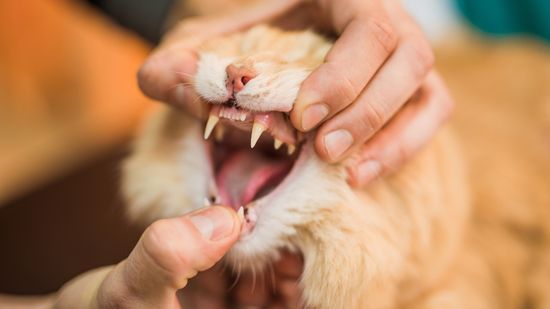
How to Save a Choking Cat
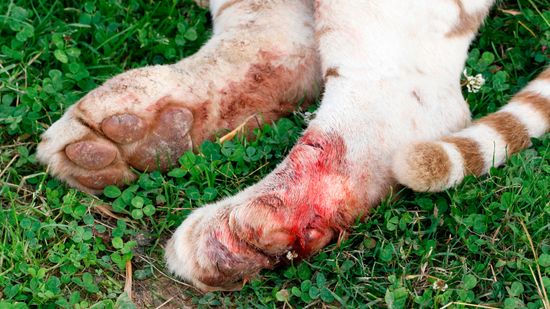
How to Treat a Bleeding Cat
How to Treat a Cat That Has Been Sprayed by a Skunk

How to Administer Oral Medication to a Cat
How to Approach an Injured Cat
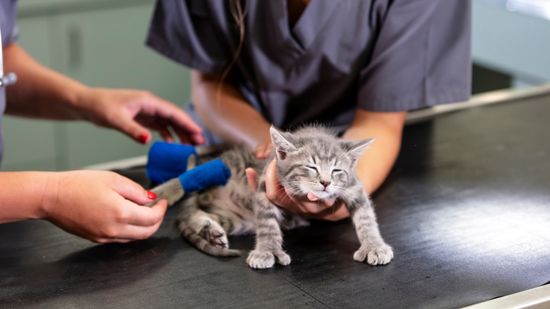
How to Restrain an Injured Cat

10 Biggest Cat Breeds to (Lovingly) Shed All Over Your Home

Why Do Cats Purr? Happiness Isn't the Only Reason
Why Do Cats Knead?
Learn More
If you've owned cats for a while, you may think you know exactly where they like to be touched. But a study found that cat lovers are the folks most likely to pet felines in places they dislike.
By Dave Roos
British researchers have found that cats really respond when their owners slow blink at them. It's a great way to improve communication with your cat.
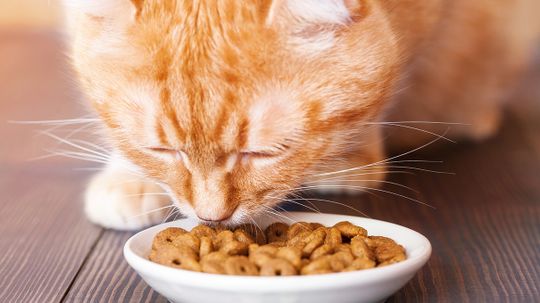
Is your cat pawing its food out of its bowl to eat and you can't figure out why? No, it's not being haughty, as usual — it might actually be stressed.
Advertisement

Cats love to chase the little red dot of light, but why? Can't they tell it's not prey? And is it making them crazy, as some vets fear?

Your cat may gaze longingly at your bowl of cereal each morning, but here's why it's not really OK for cats to drink milk.
By Bambi Turner
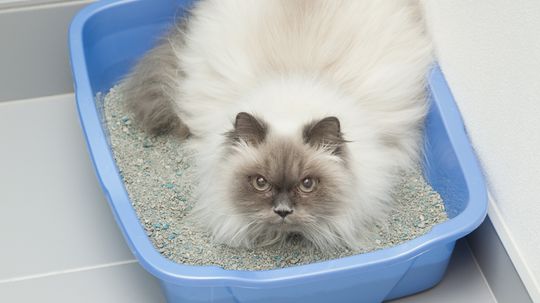
One of the main reasons cats get given up for adoption is for continually relieving outside the litter box. But they may be avoiding it for good reason – and there are some simple ways to reverse the problem.

Think you can't train a cat? Think again. Cats of any age can learn to do tricks, and the training will strengthen your bond with your feline friend.
Advertisement

Cat care involves occasional unpleasant issues such as diarrhea. Diarrhea occurs when food is passed rapidly through the intestine. Knowing what to do can help the cat recover. Learn to treat a cat with diarrhea.
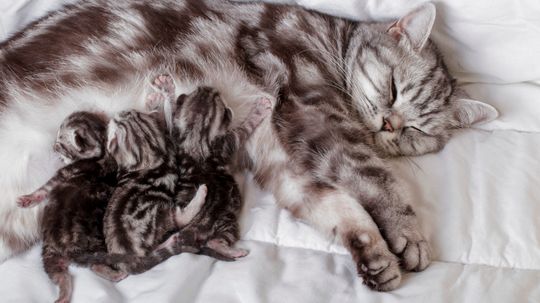
Most cats don't want onlookers during birth, but sometimes they need help. Some birthing problems include a kitten stuck in the birth canal or the mother not cleaning the cat after birth. Learn more.

Cats are adorable, but cleaning up after them? Not so much, especially when it comes to hairballs. Get some hairball prevention tips in this article.
By Shanna Freeman & Dr. H. Ellen Whiteley

Just like humans, cats have to deal with diminishing faculties like vision and hearing. What causes these senses to fail in cats? Find out how you can help your furry friends when they suffer from vision or hearing loss.
By Shanna Freeman & Dr. H. Ellen Whiteley
Advertisement
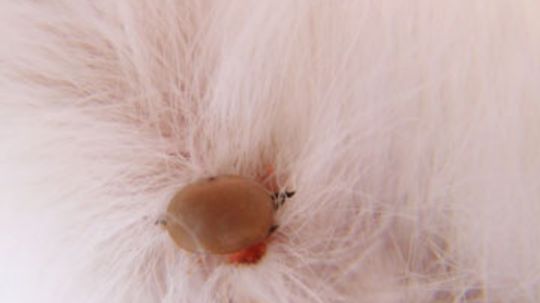
Fleas aren't the worst thing you can find hidden in your cat's fur -- ticks love to burrow into the warm-blooded bodies of cats, and they're much more dangerous. Get some helpful, hands-on tips in this article.
By Shanna Freeman & Dr. H. Ellen Whiteley
It's easy to forget sometimes that your cuddly little kitty is an animal who can get nasty parasites, like worms. Never fear -- with some information and help from your vet, your cat will soon be worm-free.
By Shanna Freeman & Dr. H. Ellen Whiteley

OK, we admit it: Chubby cats, like pudgy human babies, are pretty adorable. But all that charming extra weight doesn't bode well for your kitty's health. What can you do to get your "fluffy" feline friend back in shape?
By Shanna Freeman & Dr. H. Ellen Whiteley

How can you tell when your cat is under the weather (or seriously ill)? Get some tips for deciphering the clues that signal your cat is sick — and find out when it's time to consult the vet.
By Shanna Freeman & Dr. H. Ellen Whiteley
Advertisement
Having some basic at-home health care skills can be a lifesaver for your cat. And an emergency is no time to start learning feline first aid. Learn home remedies for your cat.
By Shanna Freeman & Dr. H. Ellen Whiteley
Cat hair everywhere? Welcome to the world of cat ownership. However, too much hair loss can signal a problem. So, why do cats lose their hair? Check out this article to get the scoop on hair loss in cats.
By Shanna Freeman & Dr. H. Ellen Whiteley

Nobody likes to cough their brains out — not even cats. So, when you find yourself with a coughing kitty on your hands, what's the best thing to do?
Say what? Cats can get dandruff, too? Yep. But for them, those unsightly white flakes aren't a matter of vanity -- they're a potential health issue. What can you do to make your (flaky) feline friend feel more comfortable when dandruff strikes?
By Shanna Freeman & Dr. H. Ellen Whiteley
Advertisement
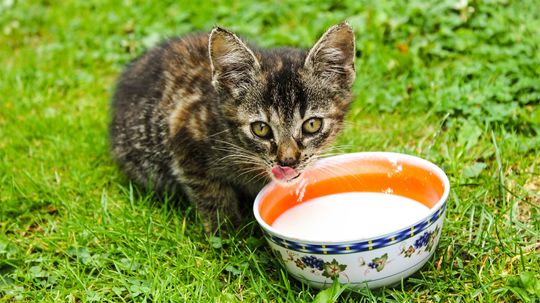
Some issues, like diarrhea, can be pretty serious. Why do cats get diarrhea, and what you do to help them when they're suffering from this unpleasant condition?
By Shanna Freeman & Dr. H. Ellen Whiteley
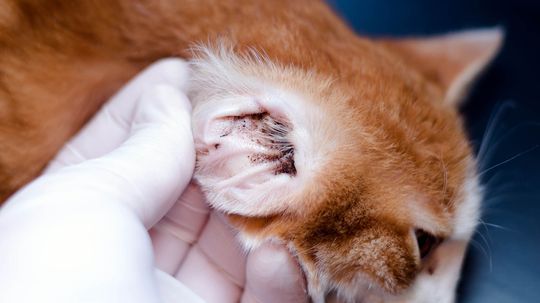
Cats are susceptible to all sorts of ailments and issues, including ear mites. What exactly are these microscopic ear invaders? And what can you do about them?
By Shanna Freeman & Dr. H. Ellen Whiteley
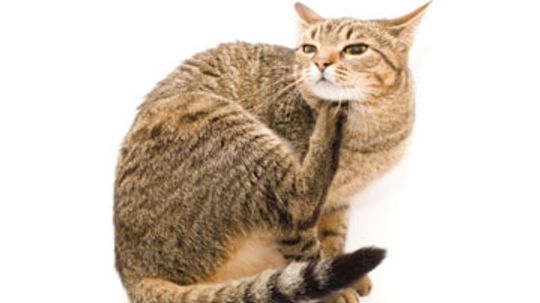
It's easy to imagine a dog scratching frantically because he's got fleas, but cats are also susceptible to these nasty little critters. So, what's the best plan of action when your feline friends get infested?
By Shanna Freeman & Dr. H. Ellen Whiteley

If you've ever placed catnip near a cat, you will notice that the plant causes the cat to react in an extremely unusual way. It will roll around and kick its legs. What is it in catnip that causes cats to have this reaction? Find out in this article.
Advertisement

Some people have the idea that animals carry all kinds of dangerous diseases. But the truth is, there aren't very many serious diseases you can catch from a domestic. Learn about common cat diseases.
By Dr. H. Ellen Whiteley

Is your feline show-cat material? Find out more about these quirky, noisy cat competitions and what happens when a spooked cat makes a run for it.
By Jane McGrath