
Other Reptiles
Reptiles are beautiful creatures that have evolved since the beginning of time. Check out these articles about all kinds of unique reptiles.

The Biggest Alligator on Record, by Weight and Length
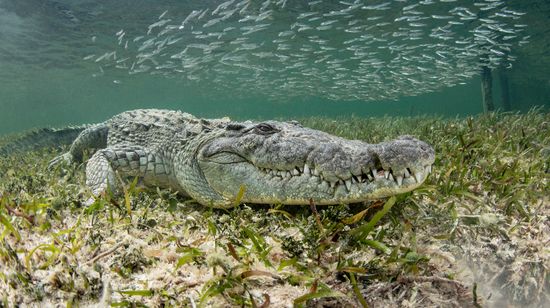
7 of the Largest Crocodiles Ever Measured
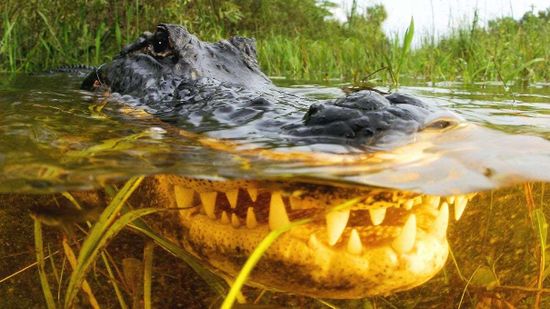
Alligators Go Back 6 Million Years Further Than Thought
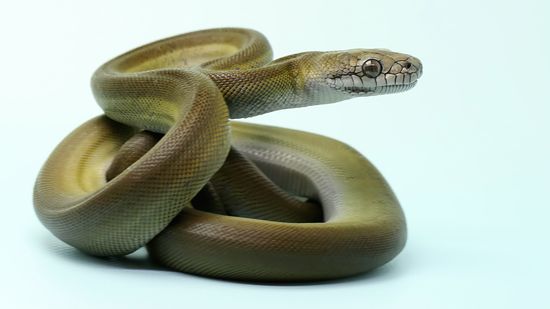
Papuan Olive Python: New Guinea's Behemoth in the Rainforest

Amethystine Python: Australia's Largest Native Snake

The Yellow Anaconda Can Form Days-long 'Breeding Balls'
Learn More
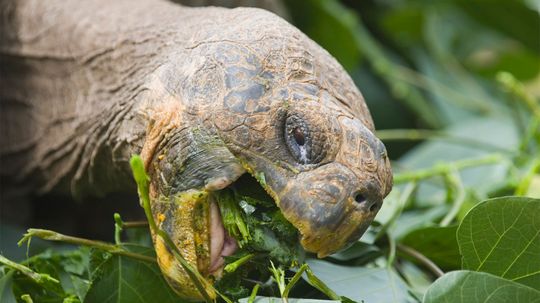
Turtles, whether giant land tortoises, sea turtles or the pet turtle in your aquarium, tend to be omnivores and love a varied vegetarian and protein diet.
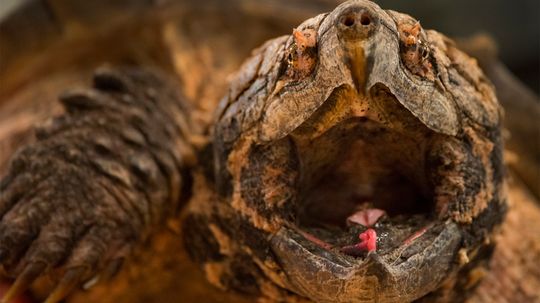
The prehistoric-looking alligator snapping turtle is the largest freshwater turtle in North America and has a bite that, it's said, can snap a wooden broom handle in half.
By Mark Mancini
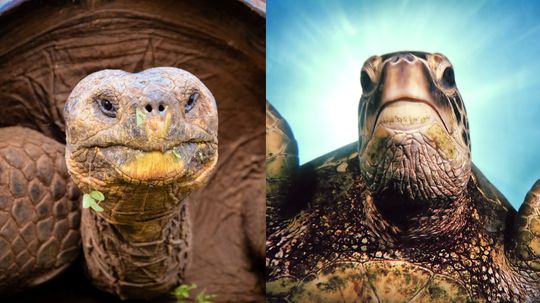
They both have prehistoric looking shells and squatty legs, but how are they different?
Advertisement
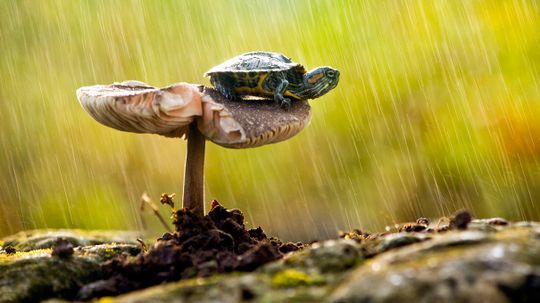
Eating wild turtles may sound like an easy catch for survival, but it's a bad idea for several reasons.
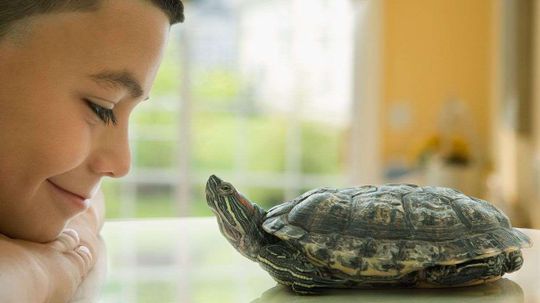
Why do turtles have shells is the kind of question a kid would ask. But the answer is surprisingly complicated.
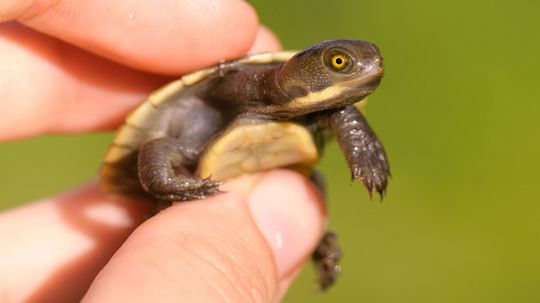
If you are thinking of getting a pet baby turtle, make sure you know how and what to feed it to ensure it lives a long and happy life.
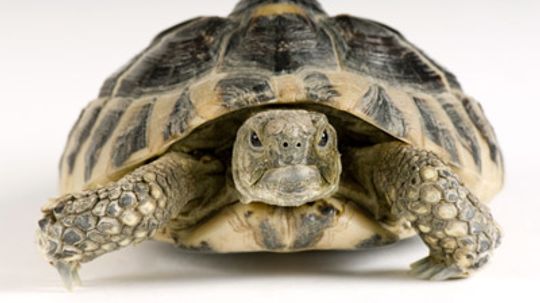
Some animals are home hoppers — they'll leave small or damaged shells behind when they find better digs. Are turtles the same, or are they more invested in their keratin coverings?