African Dwarf Frog: A Slow-eating, Scent-sensitive Pet

By: Nico Avelle  | 
African dwarf frog
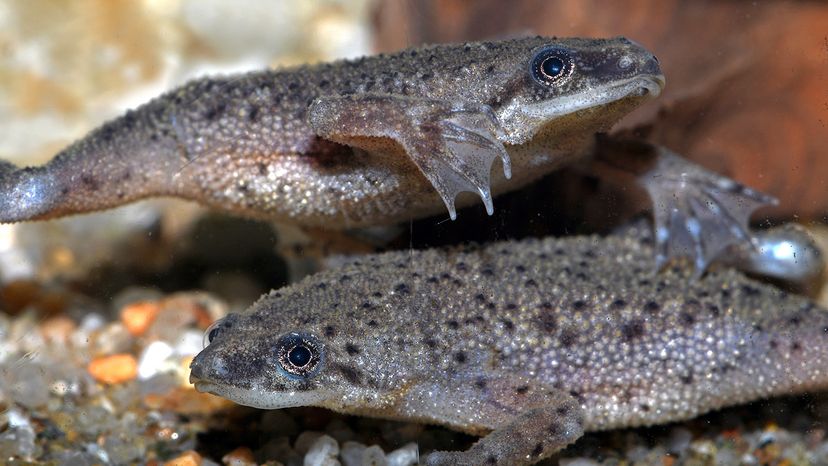
Has your kid been begging you for an African dwarf frog? Here's what you need to know before caving in. Guillermo Guerao Serra / Shutterstock

African dwarf frogs are tiny, fully aquatic amphibians that bring big personality to small aquariums. Native to the ponds and slow-moving rivers of Central Africa, the African dwarf frog is a popular choice for pet owners looking for low-maintenance animals with quirky behavior.

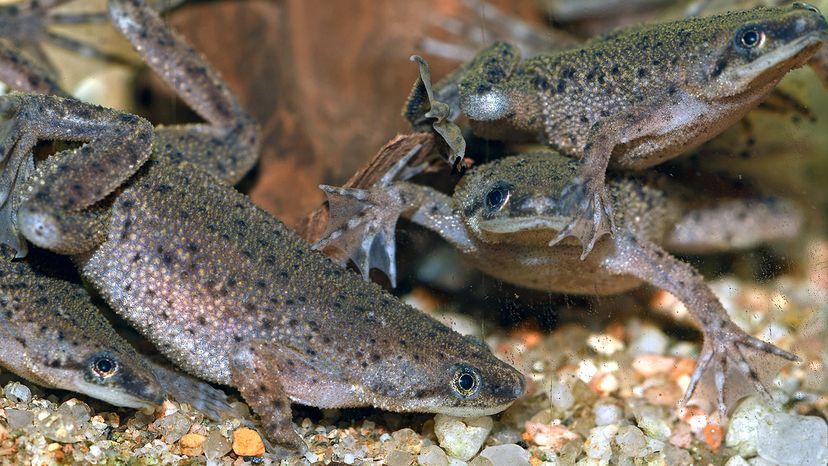
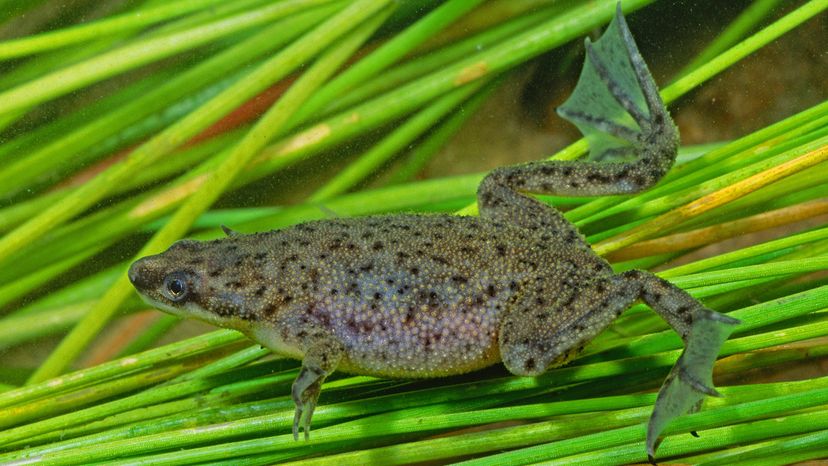
Despite their shared origin, they’re not the same as African clawed frogs. Dwarf frogs stay small, maxing out around 2.5 in (6 cm), and have webbed feet and pointed snouts. They also tend to be brown with small black spots and spend their entire lives underwater.

Advertisement
Unique Behaviors and Habitat Needs

African dwarf frogs are fully aquatic but still need to breathe air, so they swim to the water's surface regularly. They detect vibrations in the water and rely more on touch and smell than sight.

You’ll often see them floating with outstretched limbs near the surface, especially when resting.

Advertisement

In the wild, they live in shallow waters with slow currents, so avoid strong filtration when keeping them as pets. Gravel, rocks and live plants help replicate their natural environment, giving them places to hide and explore.

What African Dwarf Frogs Eat

African Dwarf Frog
These adult frogs aren't fast eaters. Mike Redmer / Shutterstock

African dwarf frogs eat a varied diet in captivity. They are slow eaters, so food can be a challenge in community tanks.

Offer high-quality food like frozen bloodworms, brine shrimp or sinking frog pellets. These frogs may eat tiny bits of leftover fish food from other tank mates, but they should not have to compete for food with faster fish or amphibians.

Advertisement

Because they can’t see well, feeding requires patience. Use feeding tongs or place food near them to ensure they eat enough. Poor diet can lead to fungal infections and other health issues.

Tank Setup and Good Tank Mates

A small aquarium of at least 5 gallons (20 L) with clean water is ideal.

Keep the water temperature between 22 to 26 degrees Celsius (72 to 78 degrees Fahrenheit) and monitor water quality regularly to prevent disease.

Advertisement

Choose nonaggressive fish like guppies or tetras as good tank mates. Avoid aggressive species that nip at fins or outcompete for food.

Other frogs can be housed together, but avoid mixing with African clawed frogs, which are bigger, stronger and might eat your dwarf frogs.

Advertisement

Breeding and Life Cycle

African dwarf frog
African dwarf frogs can definitely be conversation-starting pets. Guillermo Guerao Serra / Shutterstock

During breeding season, males sing to attract females with a low humming noise. If conditions are right, females lay eggs that hatch into tadpoles.

Raising tadpoles requires special care and separate tanks to prevent adults from eating them.

Advertisement

The average lifespan for African dwarf frogs is about 5 years, though some live longer with good care. Watch for signs of illness, like changes in skin color or trouble swimming.

We created this article in conjunction with AI technology, then made sure it was fact-checked and edited by a HowStuffWorks editor.

Advertisement

Advertisement

Loading...