8 Frog Species and Toads You'll Find in North America

By: Nico Avelle  | 
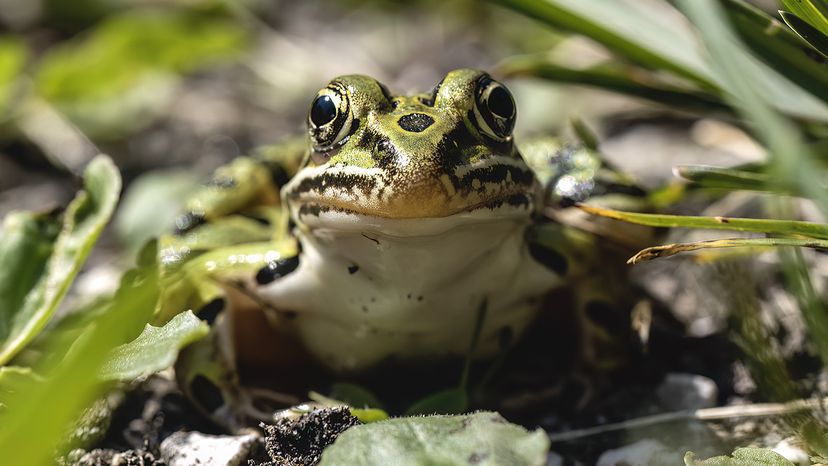
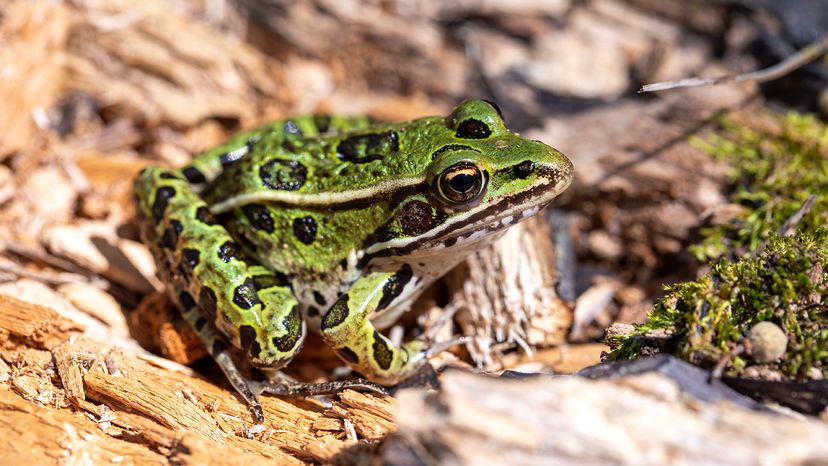
leopard frog
This northern leopard frog calls with a chuckling-like sound during breeding season. Karel Bock / Getty Images

Frogs have been hopping around the planet since the Early Triassic, making them one of the oldest extant amphibian lineages. With more than 7,000 frog species globally, they’ve adapted to nearly every environment on Earth, from tropical rainforest canopies to forest floor ponds.

These are some of the most familiar frogs and toads you might actually spot—or hear—in your own backyard.

Advertisement

All members of the order Anura, frogs and toads are closely related amphibians with similar life cycles. Most frogs have smooth skin and long hind legs for swimming and jumping, while true toads often have warty skin, short bodies, and prefer dry, loose soil.
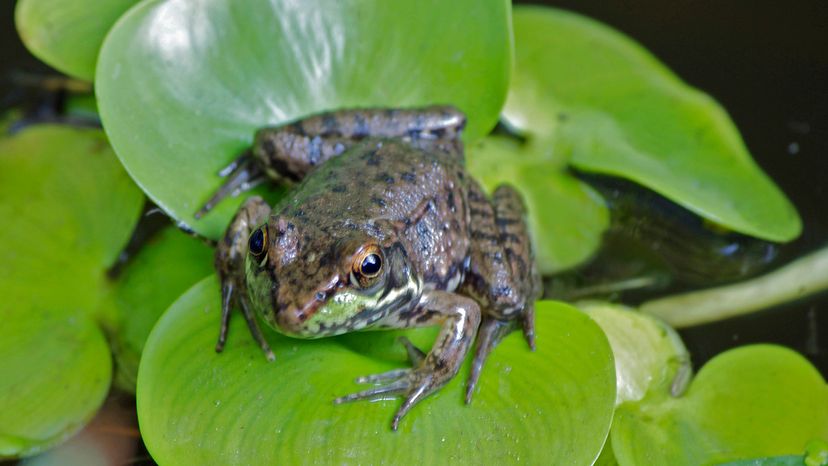
1. Northern Green Frog (Lithobates clamitans)

Northern green frog
Northern green frog. suefeldberg / Getty Images/iStockphoto

Found statewide across much of the eastern U.S., this aquatic species has a green or bronze body and a loud, twangy call that sounds like a plucked banjo string.

Adult frogs have webbed feet, a pointed snout, and long hind legs for swimming underwater. You’ll often find them in moist soil near ponds, swamps, or ditches.

Advertisement

2. Northern Leopard Frog (Lithobates pipiens)

Leopard frog
Leopard frog. Jorge Figueiredo / Getty Images

Also known as the meadow frog, this species is named for its dark spots on lighter color skin. It’s a widespread frog often found near grassy edges of water bodies. During breeding season, males attract mates with distinctive chuckling calls.

Eggs hatch in shallow water, and tadpoles quickly develop to escape predators like birds and fish.

Advertisement

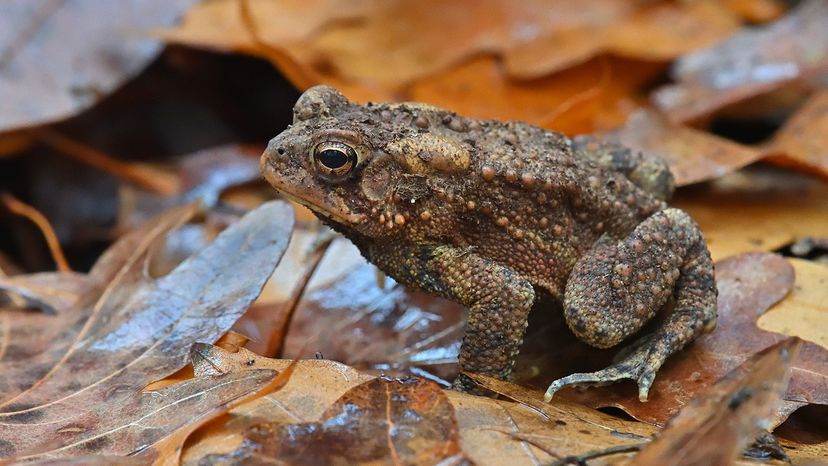
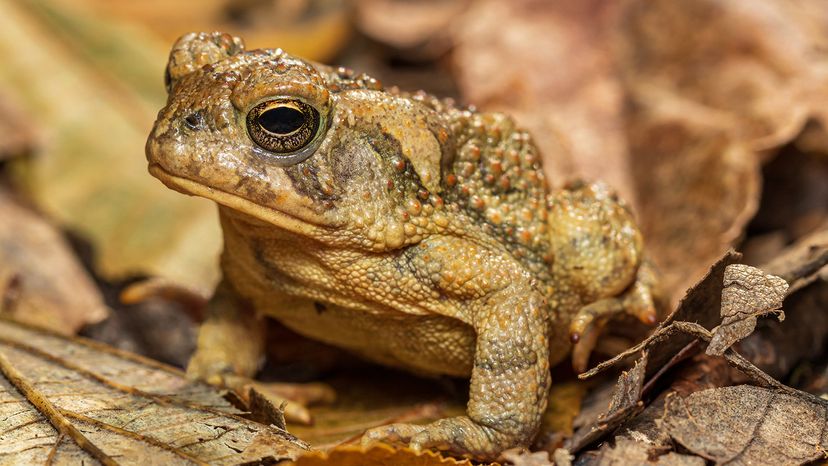
3. American Toad (Anaxyrus americanus)

American toad
American toad. Robert Winkler / Getty Images

This familiar toad has warty skin, a short body, and a loud, sustained trill during the breeding season. Females lay long strings of eggs in shallow water. Unlike many frogs, American toads are more terrestrial, often hiding under logs or loose soil. They’re part of the larger group known as true toads.

Advertisement

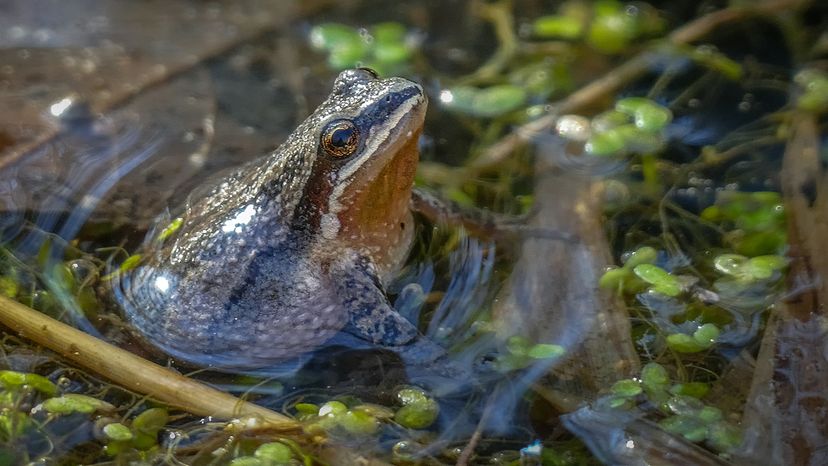
4. Western Chorus Frog (Pseudacris triseriata)

Western chorus frog
Western chorus frog. marcophotos / Getty Images

One of the most familiar frogs in North America, the western chorus frog produces a series of short, raspy clicks during mating season. Small and secretive, they thrive in wetlands and flooded fields. Even though they’re hard to spot, their calls are among the first signs of spring.

Advertisement

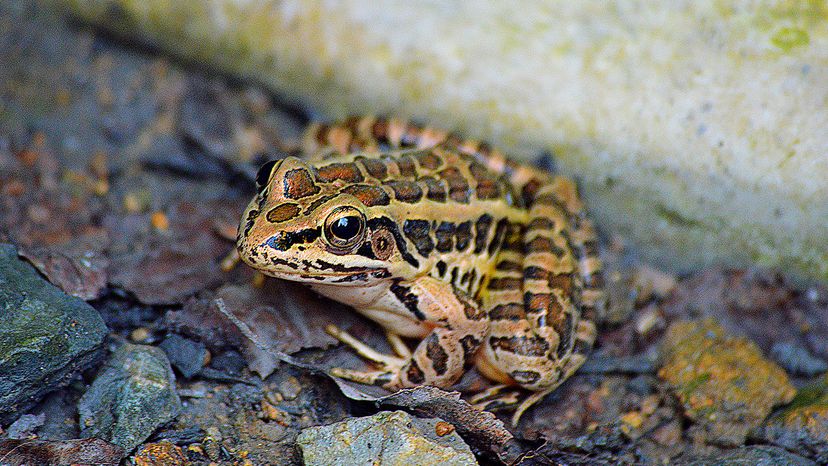
5. Pickerel Frog (Lithobates palustris)

Pickerel Frog
Pickerel frog. Philippe Gerber / Getty Images

The pickerel frog has a pattern of rectangular dark spots on a tan background, and it releases a mild toxin that can irritate predators—including humans. Found in the eastern U.S., it prefers cold, clear waters. This frog is one of the few native species with chemical defenses.

Advertisement

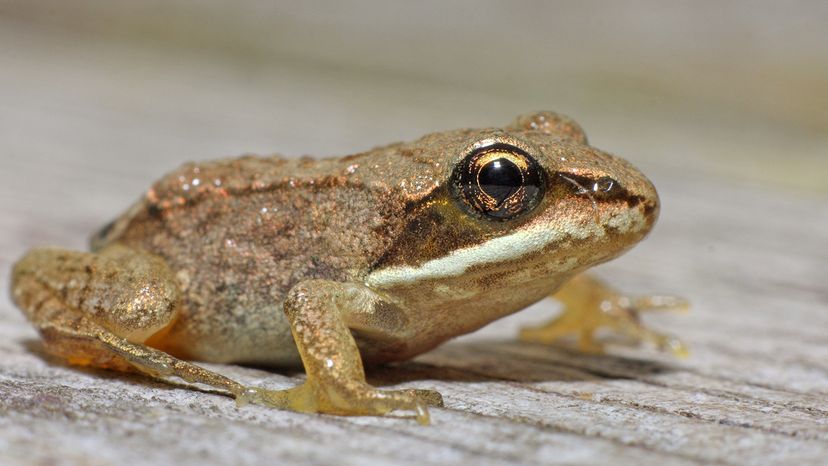
6. Wood Frog (Lithobates sylvaticus)

Wood frog
Wood frog. mirceax / Getty Images/iStockphoto

This hardy amphibian can survive freezing temperatures by shutting down its body in winter. With a dark mask across its eyes and a preference for forest floor breeding pools, the wood frog is found in northern forests across the U.S. and Canada.

It’s known for explosive breeding events right after snowmelt.

Advertisement

7. Fowler's Toad (Anaxyrus fowleri)

Fowler’s toad
Fowler’s toad. JJ Gouin / Getty Images/iStockphoto

Closely related to the American toad, Fowler’s toad has a similar warty appearance but can be distinguished by its shorter trill. It's often found in sandy or loose soil near wooded areas and is known to hybridize with other species.

Advertisement

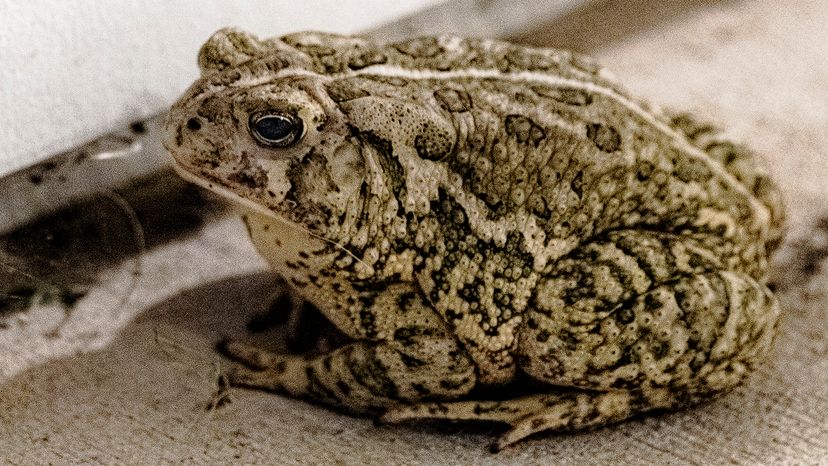
8. Great Plains Toad (Anaxyrus cognatus)

Great Plains toad
Great Plains toad. Nathan McDaniel / Getty Images/iStockphoto

A short-bodied toad with a booming call, this species is found in dry habitats like prairies and deserts. It’s part of a fascinating evolutionary history that has adapted it to survive periods of drought by burrowing underground.

We created this article in conjunction with AI technology, then made sure it was fact-checked and edited by a HowStuffWorks editor.

Advertisement

Advertisement

Loading...