Pixie Frog: This Giant African Bullfrog Is Neither Dainty Nor Magical

By: Nico Avelle  | 
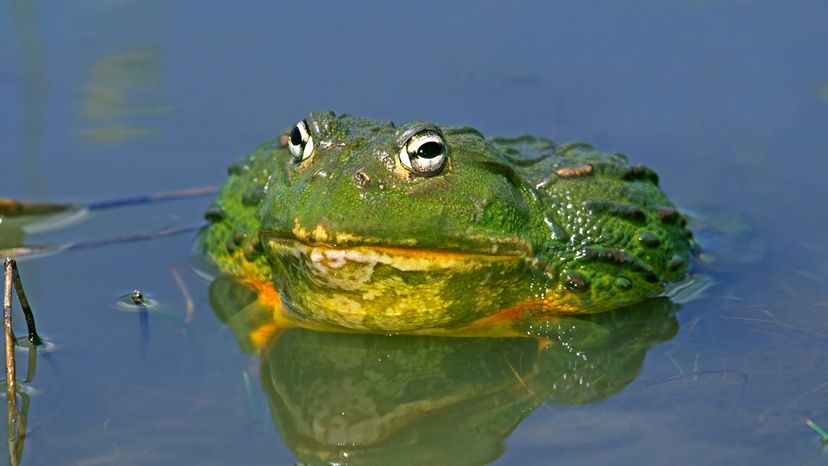
African giant bullfrog
This amphibian is hiding a lot of bulk under that water. EcoPrint / Shutterstock

The pixie frog is not the kind of frog you'd find hopping harmlessly around your garden pond. Also called the African giant bullfrog, this enormous amphibian is known scientifically as Pyxicephalus adspersus.

It's one of the largest frogs in the world and plays an important ecological role in sub-Saharan Africa by helping control populations of insects and other small animals.

Advertisement

Pixie frogs spend much of their life buried beneath the soil, enclosed in a hardened cocoon formed from shed skin to retain moisture. This adaptation allows them to survive extreme droughts until the rains and high humidity levels of the rainy season return.
Male Might and Female Flight

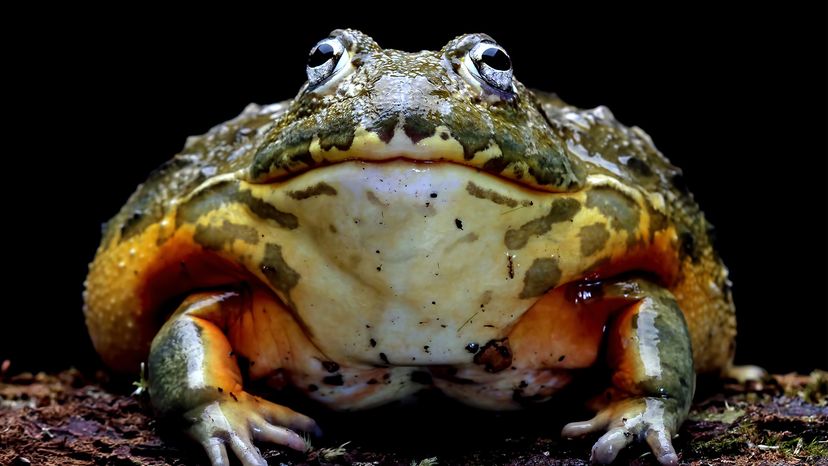
Male African bullfrogs are larger and more aggressive than females, often reaching 10 in (25 cm) and weighing over 4 lb (1.4 kg). Females are typically half the size.

Males have powerful lower jaws, and their throats often show bold yellow or orange coloration. During mating season, they let out a distinctive low-pitched whoop to challenge other males and attract mates.

Advertisement

Feast Mode: On Anything That Moves

African giant bullfrog
We don't want to be mean, but this frog's appearance matches its reputed appetite. agus fitriyanto / Getty Images/iStockphoto

In the wild, pixie frogs feed on an astounding array of animals. Their diet includes:

  • Feeder insects, insects, and invertebrates
  • Small fish, frogs, tadpoles, and other amphibians
  • Birds, mice, lizards, reptiles, and juveniles
  • Even other frogs (sometimes their own kind)

These frogs wait patiently for prey, often hidden in bedding or natural substrate, then strike with their broad mouths.

Advertisement

In captivity, feeding should be controlled. Overfeeding can lead to excessive poop and health issues. A proper feeding schedule is essential to keep adults and juveniles healthy.

Advertisement

Breeding Is a Battle and a Race

The spawning season begins when temperature and humidity rise. Males gather in shallow water and issue calls to attract females. After external fertilization, females may lay up to 4,000 eggs.

These eggs hatch into voracious tadpoles within two days. Metamorphosis occurs in two to three weeks, depending on food and humidity.

Advertisement

The male remains nearby, digging channels using his hind legs to ensure access to water. He may consume some of the tadpoles while defending them.

Underground Survivors

Pixie frogs survive harsh dry periods by creating a cocoon that slows dehydration. They absorb oxygen and moisture through their skin while dormant. Once humidity levels rise, they return to the surface ready to eat, spawn, and sometimes fight.

They often share their habitat with fish, birds, reptiles, and other amphibians. However, these co-inhabitants often become food. In fact, pixie frogs help control pest populations, especially of insects and small animals.

Advertisement

Keeping Pixie Frogs as Pets

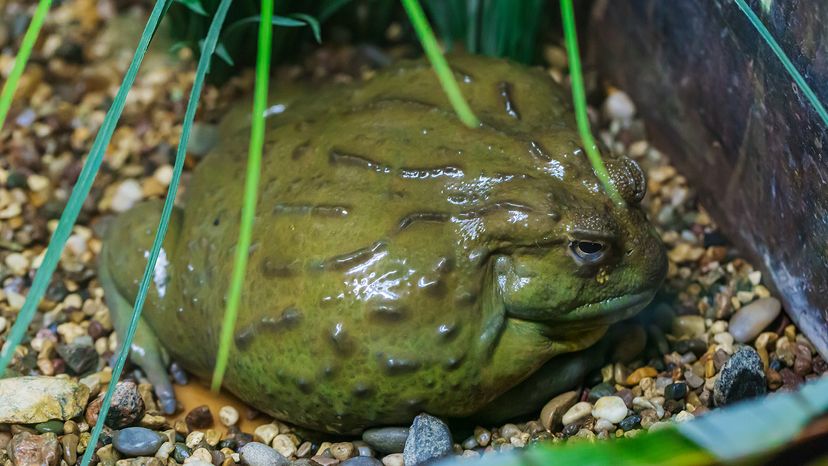
African giant bullfrog
The African giant bullfrog is bigger than most frogs. Goskova Tatiana / Shutterstock

Pixie frogs are popular pets due to their size and rugged look. To keep one healthy, you’ll need:

  • A large tank with ideal substrate like coconut fiber or soil
  • Warm temperature (75 to 85 F or 24 to 29 C) and high humidity levels (70–80 percent)
  • A shallow pond or soaking dish
  • Solitary housing; never place with other frogs, females, or juveniles

Young frogs require daily feeding, whereas adults eat two to three times a week. Their waste can be massive, so enclosure hygiene is essential.

Advertisement

6 Bonus Pixie Frog Facts

  1. The name “pixie” is a misinterpretation of Pyxicephalus, not a comment on their size.
  2. Though called bullfrogs, they belong to a separate species from the American bullfrog.
  3. They produce massive amounts of poop relative to their body size.
  4. They may wait underground for months before emerging to spawn.
  5. Their calls can be heard across an entire pond, from one side to the other.
  6. With the right care, they can live over 20 years in captivity.

Whether you're observing one in the wild or caring for one at home, the pixie frog is a beast of an amphibian—hungry, hardy, and built for extremes.

We created this article in conjunction with AI technology, then made sure it was fact-checked and edited by a HowStuffWorks editor.

Advertisement

Advertisement

Loading...