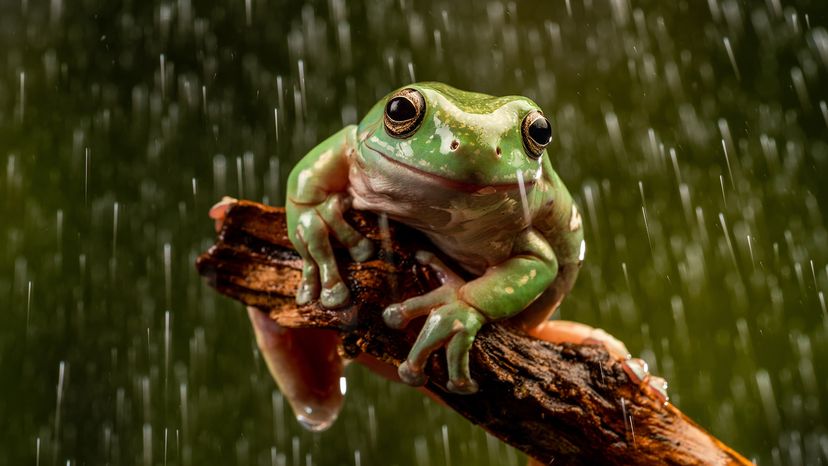
White's Tree Frog: A Popular Pet Prone to Obesity

By: Nico Avelle  | 
Whites Tree Frog
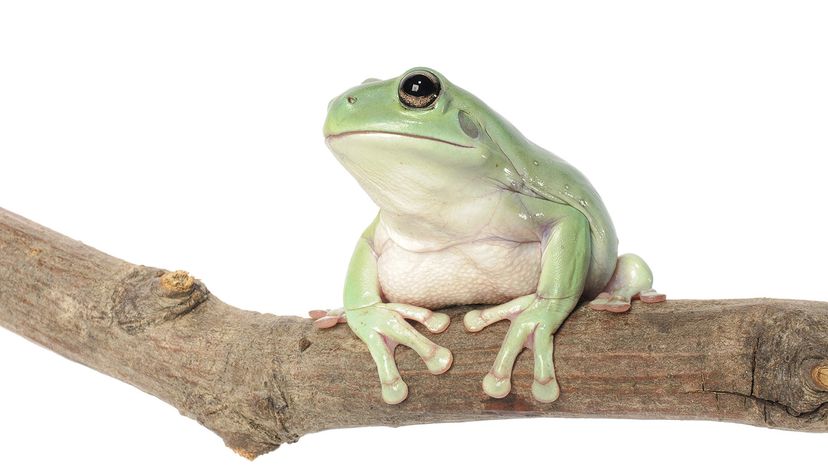
White's tree frog has toes like suction cups that help it climb trees, glass, and other vertical surfaces. BBA Photography / Shutterstock

If you're thinking about frogs as gross, standoffish creatures, think again. White's tree frog is one of the friendliest, plumpest amphibians you’ll meet.

Native to northern and eastern Australia as well as southern New Guinea, this species is also called the Australian green tree frog or dumpy tree frog.

Advertisement

These frogs thrive in tropical rainforests, suburban areas and even around human homes, especially where insects are plentiful. Known scientifically as Ranoidea caerulea (formerly Litoria caerulea), they’ve adapted to a broad range of environments thanks to their hardy skin and calm demeanor.
A Bright, Blue-green Body Built for the Trees

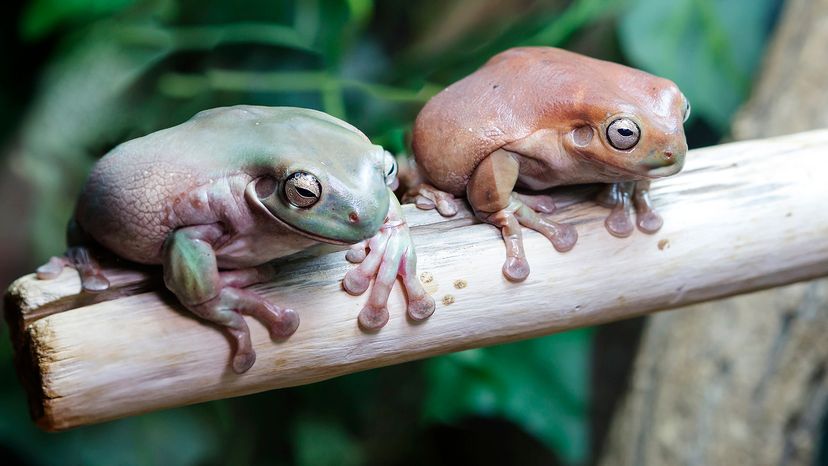
White's tree frogs are known for their vivid color—often bright green or blue-green—and their chubby appearance.

They use large, sticky toe pads like suction cups to climb trees, walls and even glass. While they’re arboreal (tree-dwelling), they’re also comfortable in semi-terrestrial habitats with high humidity and live plants.

Advertisement

They grow up to about 4 in (10 cm) in length and live up to 20 years in captivity. That long life, combined with a laid-back attitude, makes them one of the most popular pet frogs in the world.

What Do White's Tree Frogs Eat?

White's tree frog
If you're not careful, this pet frog will eat way too much. Robert Eastman / Shutterstock

Their diet in the wild consists mostly of insects and other invertebrates, including moths, beetles and smaller frogs. In captivity, they thrive on feeder insects like live crickets, wax worms, dubia roaches and black soldier fly larvae.

These frogs aren't picky eaters, but overfeeding can lead to obesity—a common issue for this plump-bodied species.

Advertisement

Life Cycle and Mating Habits

White's tree frogs
Wild White's tree frogs live in Australia. User10095428_393 / Getty Images/iStockphoto

Like most frogs, White's tree frogs begin life as eggs laid in water. Tadpoles emerge and later metamorphose into adult frogs.

Mating season typically coincides with warm, rainy periods, and males call out in a loud, croaky voice to attract females.

Advertisement

In the wild, they breed in warm, wet environments. In captivity, conditions must be carefully controlled with appropriate temperature, humidity and light cycles to simulate the natural mating season.

Conservation and Coexistence With Humans

Despite habitat loss in some regions, White's tree frogs are not currently threatened. Their conservation status is stable, and they continue to coexist with humans in many suburban areas across eastern Australia and New Guinea.

This is thanks in part to the fact that White’s tree frogs are protected in Australia. Wild collection for export is prohibited, with the pet trade primarily relying on captive-bred individuals to safeguard wild populations.

Advertisement

We created this article in conjunction with AI technology, then made sure it was fact-checked and edited by a HowStuffWorks editor.

Advertisement

Loading...