Commensalism Examples Reflect a Lot of Modern Relationships

By: Nico Avelle  | 
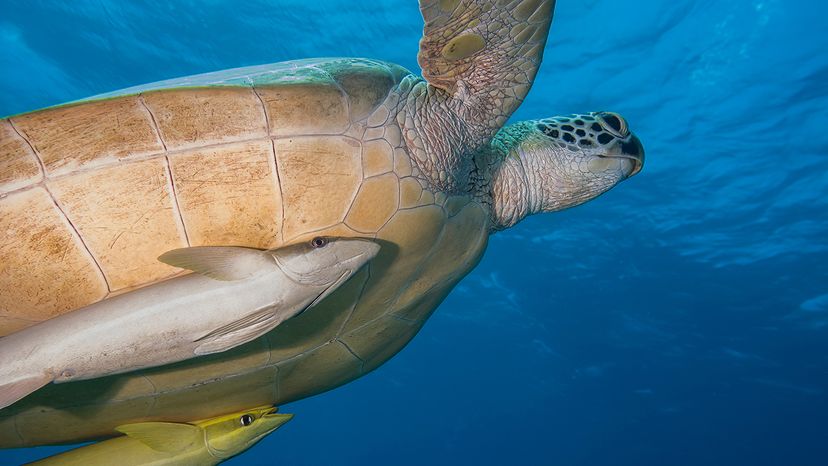
Hitchhikers can be such a drag. Nicolas-SB / Shutterstock

Commensalism examples show how different species interact in nature. In a commensal relationship, one organism benefits while the other organism remains unaffected—neither helped nor harmed.

Commensalism is one form of symbiotic relationship between different species. Unlike mutualistic relationships where both species benefit or parasitic relationships where one organism is harmed, commensalism involves a one-sided advantage.

Advertisement

Ecologists recognize several forms of commensalism, including chemical commensalism, inquilinism, metabiosis, and phoresy. Each describes a different way one organism benefits from another without causing damage.

1. Remora Fish and Sharks

One classic example of commensalism involves remora fish and larger marine animals such as sharks or sea turtles. Remora fish attach themselves to their host species using a suction-like structure on their heads.

The remora gains transportation through marine environments and feeds on leftover food scraps from the host animal. The larger host animal is largely (but maybe not completely) unaffected by the presence of the smaller commensal species.

Advertisement

2. Barnacles and Whales

Barnacles attaching to whales represent another well-known commensal relationship. These small marine organisms secure themselves to the whale's skin.

As the whale swims through the ocean, the barnacles gain mobility and access to nutrient-rich waters filled with plankton. The whale may experience minor effects of the barnacles attached to its body.

Advertisement

3. Hermit Crabs Using Empty Shells

Hermit crabs provide a clear example of metabiosis, a type of commensalism where one organism benefits from the remains of another.

Instead of producing their own shells, hermit crabs occupy abandoned shells left behind by dead snails. The crab gains shelter and protection while the original shell owner is no longer present to be affected.

Advertisement

4. Cattle Egrets and Grazing Mammals

Cattle egrets often follow grazing mammals such as cattle across fields. As the larger animals move through grass, they disturb insects hiding among plants.

The birds benefit by easily capturing insects turned up by the movement of the cattle. The grazing mammals are generally unaffected by the birds feeding nearby.

Advertisement

5. Emperor Shrimp and Sea Cucumbers

In some marine environments, emperor shrimp attach themselves to sea cucumbers on the ocean floor. The shrimp gain transportation and protection from predators.

Meanwhile, the sea cucumber continues its normal activities across the seabed, but the effects of carrying the small crustacean can vary.

Advertisement

6. Orchids Growing on Trees

Some orchids grow on the branches of trees rather than in soil. The host plant provides an elevated location with better access to sunlight and moisture.

The orchid benefits from the improved environment while the tree remains largely unaffected by the presence of the smaller plant.

Advertisement

7. Moss and Lichens on Tree Bark

Mosses and lichens frequently grow on tree trunks or branches. These organisms gain a stable surface, as well as access to sunlight and moisture in the forest canopy.

Because they draw most nutrients from rain and air rather than the host plant, the tree usually experiences little to no harm from their presence.

Advertisement

8. Burrowing Owls and Prairie Dog Tunnels

Burrowing owls sometimes nest in tunnels originally dug by black-tailed prairie dogs. The owls benefit by gaining a ready-made shelter for raising their young.

Since the tunnels already exist, the prairie dogs typically experience no additional cost from the owls using them.

Advertisement

9. Burdock Seeds and Animals

Plants such as burdock produce seeds with tiny hooks that attach to animal fur. The animal unknowingly carries the seeds to new areas.

This process allows the plant to disperse its seeds across a wider environment. The animal transporting the seeds is generally unaffected.

Advertisement

10. Skin Bacteria on Humans

Some bacteria live on the human body in a commensal relationship. These microorganisms feed on dead skin cells and other organic material on the skin surface.

The bacteria benefit by gaining nutrients and a place to live, while the human host usually experiences no noticeable effect.

11. Pseudoscorpions Hitching Rides

Pseudoscorpions are tiny arachnids that sometimes attach themselves to larger insects or mammals. This behavior is known as phoresy.

By hitching a ride, the smaller organism can travel to new environments while conserving energy. The host species typically remains unaffected by the temporary passenger.

12. Birds Following Army Ants

In tropical forests, certain bird species follow columns of army ants. As the ants move through leaf litter, insects and small animals flee from their path.

The birds capture these fleeing insects as prey. The ants can be negatively affected by the presence of the birds feeding nearby.

Commensal relationships like these demonstrate the complex ways organisms share environments. While one species benefits from the interaction, the other species simply continues its normal life without being helped or harmed.

We created this article in conjunction with AI technology, then made sure it was fact-checked and edited by a HowStuffWorks editor.

Advertisement

Loading...