10 Invasive Species in Florida: Pythons, Feral Hogs, and More

By: Nico Avelle  | 
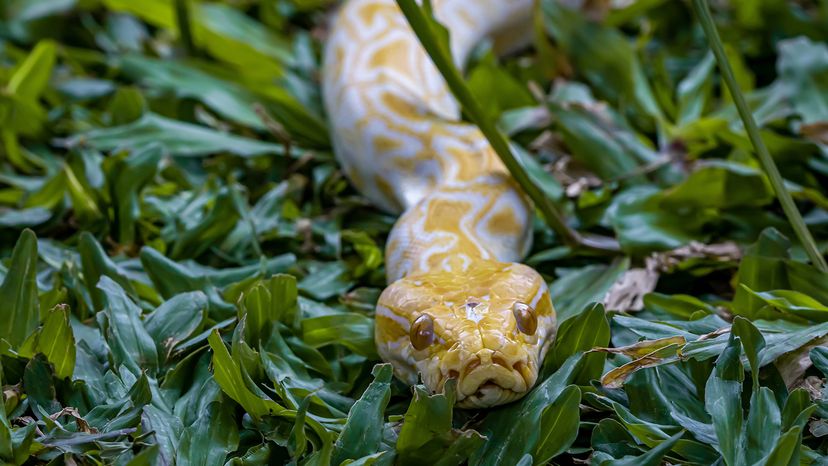
Burmese pythons started as "exotic pets" and quickly became ecologically dangerous pests. Kiki vera yasmina / Shutterstock

Florida is a biodiversity hotspot, home to remarkable native plants, fish, reptiles, and birds. But the same warm environmental conditions that support this diversity also allow many nonnative organisms to thrive. As a result, invasive species in Florida have become a major environmental challenge.

Invasive species are organisms introduced outside their native habitat that cause ecological damage, economic harm, or risks to human health. In 2026, more than 500 nonnative species in Florida have been reported.

Advertisement

These invasive animals and invasive plants often spread quickly, outcompete native species, and alter Florida plant communities and wetlands. Here are 10 of the most well-known invasive species affecting Florida today.

1. Burmese Python

The Burmese python (Python bivittatus) is one of the most notorious invasive animals in Florida. Native to Southeast Asia, this massive snake can grow nearly 19 feet (5.8 meters) long.

Originally introduced through the exotic pet trade, Burmese pythons established a stronghold in South Florida, particularly in Everglades National Park. With few natural predators, the snakes prey on birds, reptiles, and mammals across wetlands and marsh habitat.

Advertisement

Studies in areas with large python populations show severe declines in native wildlife populations. Road surveys documented declines in the frequency of observations: raccoons by 99.3% percent opossums by 98.9 percent, and bobcats by 87.5 percent in some areas where the snakes hunt.

Removal efforts are ongoing. The Florida Python Challenge encourages the public to help remove the snakes, and nearly 300 pythons were removed during the 2025 event.

Advertisement

2. Lionfish

Lionfish are invasive marine predators originally from the Indo-Pacific region. These striking fish spread through Atlantic and Caribbean waters after likely entering the wild through the aquarium trade.

Lionfish consume large numbers of smaller reef fish, including many native species that play important ecological functions in coral reef ecosystems. Their rapid reproduction and lack of natural predators allow them to spread quickly.

Advertisement

Efforts such as the Lionfish Challenge encourage divers to remove the fish from reefs. One event in 2025 resulted in more than 30,000 lionfish removed from Florida waters.

3. Argentine Black and White Tegu

The Argentine black and white tegu is a large lizard native to South America. Tegus have established breeding populations in parts of south Florida.

These powerful reptiles eat a wide range of prey including bird eggs, insects, small mammals, and native reptiles. Because they raid nests and consume eggs, they can threaten bird populations and other native wildlife.

Advertisement

Wildlife officials continue monitoring and control programs to limit the spread of tegus into additional native habitats.

4. Cane Toad

Cane toads are another invasive amphibian spreading through south Florida. Cane toads were first introduced into Florida to control agricultural pests in sugar cane in the 1930s and '40s.

These toads are large, typically reaching 6 to 9 inches (15 to 23 centimeters) long. They produce a powerful toxin called bufotoxin that can kill predators and pets.

Advertisement

Because native reptiles and mammals may attempt to eat the toads, bufotoxin can sicken or even kill animals that bite or feed on them.

5. Feral Hogs

Feral hogs are among the most destructive invasive animals in Florida. These animals descend from domestic pigs introduced centuries ago and now live throughout the state.

Feral hogs root through soil while searching for food, damaging wetlands, farmland, and natural ecosystems. This behavior destroys native vegetation, harms crops, and degrades water quality.

Advertisement

The hogs also compete with native wildlife for food and can spread diseases that affect livestock and wild animals.

6. Green Iguana

The green iguana is a large lizard originally from Central and South America. It has become common in South Florida after escaping captivity through the pet trade.

Green iguanas often live along canals, rivers, and urban areas. Their burrowing behavior can damage infrastructure and disturb native habitats.

Advertisement

The Florida Fish and Wildlife Conservation Commission allows residents to remove and—with authorization—sell certain invasive species such as green iguanas to help control populations.

7. Rhesus Macaque

The rhesus macaque is a monkey species native to Asia but now living in parts of Florida. A population became established near Silver Springs State Park decades ago.

Although these monkeys attract tourists, they can spread diseases and disrupt native ecosystems. Wildlife managers monitor populations to limit ecological damage and prevent further spread.

Advertisement

8. Brazilian Pepper

Brazilian pepper is one of the most aggressive invasive plants in Florida. Native to South America, it forms dense thickets that crowd out native plants and alter Florida plant communities.

The plant spreads rapidly across wetlands and forests, preventing native vegetation from growing and changing natural ecosystems.

Advertisement

Land managers often rely on mechanical removal and chemical treatment to control Brazilian pepper across large areas.

9. Hydrilla

Hydrilla is an aquatic plant that spreads rapidly through lakes and waterways. Thick mats of hydrilla block sunlight and reduce oxygen levels in the water.

These changes can lead to fish death and hinder boating access. Hydrilla also outcompetes native aquatic plants that support healthy ecosystems.

Advertisement

Because hydrilla spreads easily through fragments carried by boats or currents, controlling the plant requires long-term monitoring and treatment.

10. Water Hyacinth

Water hyacinth is another invasive aquatic plant affecting Florida fish habitat and water systems. The floating plant forms dense mats that clog waterways and degrade water quality.

By blocking sunlight and reducing oxygen levels, water hyacinth harms fish and aquatic ecosystems while interfering with transportation and recreation.

Managing invasive species in Florida requires constant monitoring, research and cooperation among scientists, land managers and the public. Agencies such as the Florida Fish and Wildlife Conservation Commission and the Florida Department of Environmental Protection coordinate control programs that include removal, biological control, and habitat restoration.

Community involvement is essential. Residents are encouraged to report sightings of invasive animals or plants so wildlife agencies can respond quickly before species spread further.

We created this article in conjunction with AI technology, then made sure it was fact-checked and edited by a HowStuffWorks editor.

Advertisement

Loading...