11 Solitary Animals That Prefer Time Alone Over Teamwork

By: Nico Avelle  | 
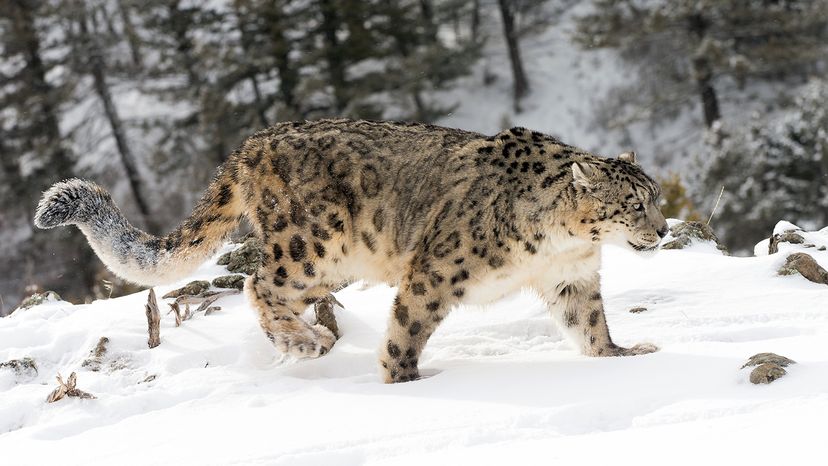
This snow leopard isn't coordinating with a herd, a pack, or a pride. It hunts alone. Dennis W Donohue / Shutterstock

Solitary animals make up a large and often overlooked part of the animal kingdom.

While people may initially picture social animals living in large groups, herds, or colonies, many species prefer solitary living for most of their lives. These solitary species interact with others mainly during breeding season or while raising young.

Advertisement

A solitary life might sound isolating, but in nature it can be an advantage. Living alone can reduce competition for limited resources like food and territory, lower the risk of disease, and allow animals to rely on their own skills to find food and avoid predators.

1. Snow Leopard

The snow leopard is one of the most iconic solitary hunters in the animal world. This big cat lives in remote mountain ranges and depends on stealth and camouflage to hunt large prey.

Snow leopards rarely interact with other individuals except during breeding season or when females raise young. Their solitary lifestyles help them avoid competition in harsh environments where food is scarce.

Advertisement

2. Polar Bears

Polar bears are the largest member of the bear family and are well-known for solitary living. Most of the time, they roam vast Arctic areas alone in search of food.

They typically come together during mating or when females care for offspring. Living alone helps them cover large territories and find enough food in an environment with limited resources.

Advertisement

3. Moose

Moose, part of the deer family, are unusual among most deer species because they do not typically form large herds. Instead, they spend most of their lives alone.

They may interact briefly during breeding season, but for the most part, moose live solitary lives, grazing on plants and resting in forested habitats away from other animals.

Advertisement

4. Hawaiian Monk Seal

Unlike most seals, which live in large groups, the Hawaiian monk seal prefers a more solitary life. These animals rest alone on beaches or rocky outcrops and spend much of their time hunting independently.

They interact mainly for breeding and raising young.

Advertisement

5. Desert Tortoises

Desert tortoises are another example of animals that prefer solitude. They spend much of their lives alone in burrows, emerging to eat plant material and regulate body temperature.

Occasionally, they may share burrows or meet other males and females during breeding season, but solitary living dominates their daily life.

Advertisement

6. Solitary Sandpiper

The solitary sandpiper stands out among most shorebirds, which often gather in groups. This shy bird is usually encountered alone during migration.

It prefers quiet wetlands and is known for using old songbird nests high in trees, rather than nesting on the ground like most other sandpipers.

Advertisement

7. Chuckwalla Lizard

The chuckwalla lizard lives among rocky outcrops in desert regions. It spends its days basking in the sun and feeding on plant material.

This reptile is highly territorial and avoids physical contact with other individuals except during mating. Its solitary lifestyle helps reduce competition for food and shelter.

Advertisement

8. Platypus

The platypus spends most of its time alone in rivers and streams, using its sensitive bill to find food.

Interactions with other members of its own species are mainly limited to breeding season. Otherwise, it leads a quiet, independent life in the water.

Advertisement

9. Sloth

Sloths are known for their slow movements and solitary nature. They live high in trees and rarely come down, feeding on leaves and resting for long periods.

Their solitary lifestyles help them remain hidden from predators, as they blend into their environment and avoid drawing attention.

Advertisement

10. Porcupine

Porcupines are solitary mammals that rely on their quills for defense. They typically forage alone at night, searching for food such as bark and plant material.

They mainly interact with others during mating or when females care for their young, making them another clear example of solitary animals in nature.

11. Big Cats Like Tigers and Leopards

Many big cats, including tigers and leopards, are classic solitary hunters. They mark and defend territories to keep other individuals away.

This behavior helps them have enough food and space to survive. Unlike lions, which live in social groups, these cats rely on independence to thrive.

Why Some Animals Prefer Solitary Living

Solitary lifestyles exist for a reason. In the animal world, animals prefer living alone when it offers survival advantages. These include:

  • Reduced competition for food and territory
  • Lower risk of disease compared to group living
  • Greater ability to hunt or forage without interference
  • More control over resources and habitat

Solitary animals still interact when necessary, especially during breeding season or when raising offspring. Some may even tolerate or briefly cooperate with others when conditions require it.

Researchers continue to study solitary species to better understand how they survive and interact. Insights from this work help conservation efforts protect animals and their habitats in a changing world.

We created this article in conjunction with AI technology, then made sure it was fact-checked and edited by a HowStuffWorks editor.

Advertisement

Loading...