7 Types of Animals That Make Our Planet Cool to Live On

By: Nico Avelle  | 
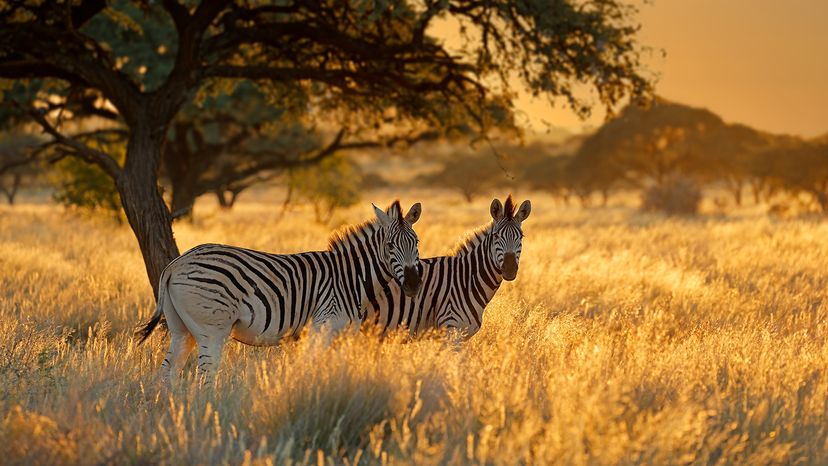
zebras
We really are lucky to have such a wide diversity of animals on our planet. EcoPrint / Shutterstock

The animal kingdom is home to millions of species that crawl, swim, fly, and gallop across Earth. From deep-sea dwellers to backyard birds, different types of animals help us understand evolution, ecosystems, and our place among other living things.

Advertisement
1. Mammals

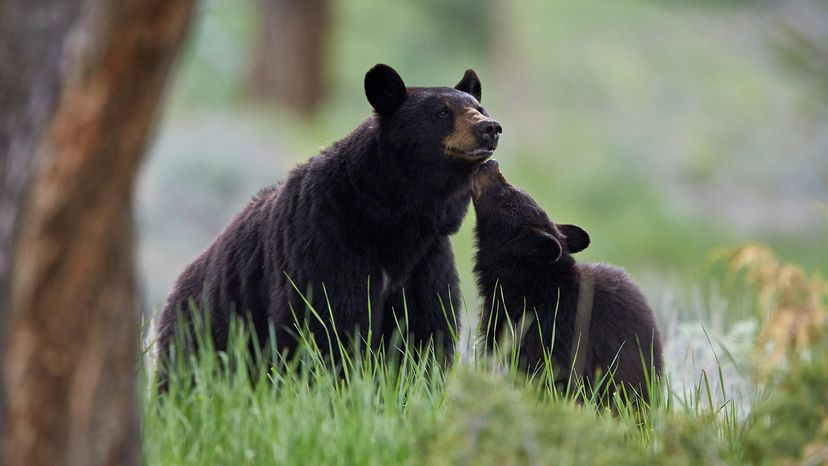
Black bear
Black bears. Robert Harding Video / Shutterstock

Mammals are warm-blooded animals that typically have hair or fur and feed their young with milk. Humans, dogs, and horses all belong to this group. Most mammals have four legs and give birth to live young, though there are exceptions like the egg-laying platypus.

Advertisement

2. Birds

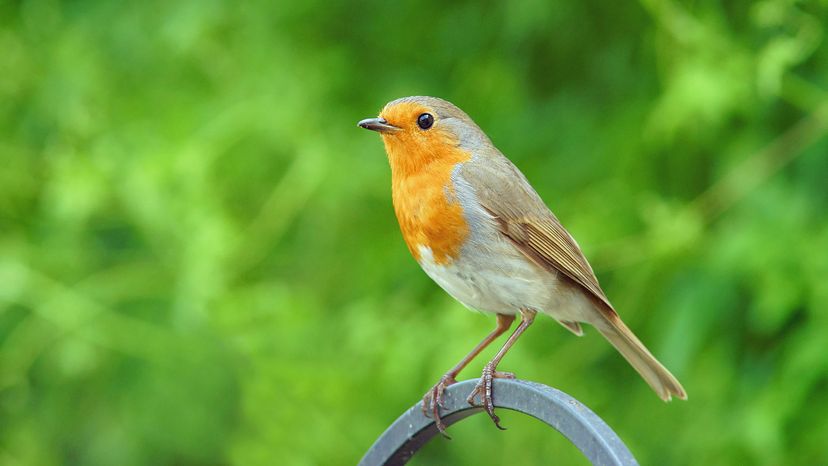
British Robin
British robin. PJ photography / Shutterstock

Birds are defined by feathers, beaks, and the ability to lay eggs. Many can fly, but not all; ostriches and penguins are flightless. Birds and crocodilians (such as crocodiles and alligators) share a common ancestor, making them evolutionary cousins. Birds inhabit nearly every land environment on Earth.

Advertisement

3. Reptiles

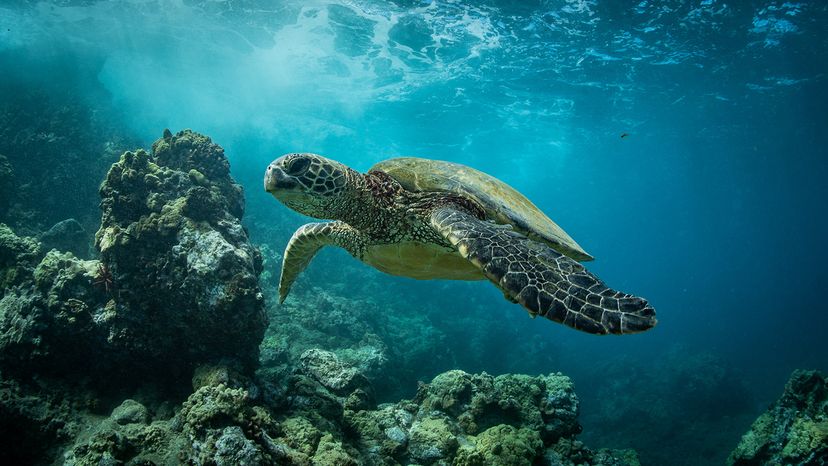
Hawaiian Green Sea Turtle
Green sea turtle. Maui Topical Images / Shutterstock

Reptiles are cold-blooded animals with scaly skin. This group includes turtles, snakes, lizards, and crocodiles. Most lay eggs and are well-adapted to land habitats — though some, like sea turtles, spend much of their life in water.

Advertisement

4. Amphibians

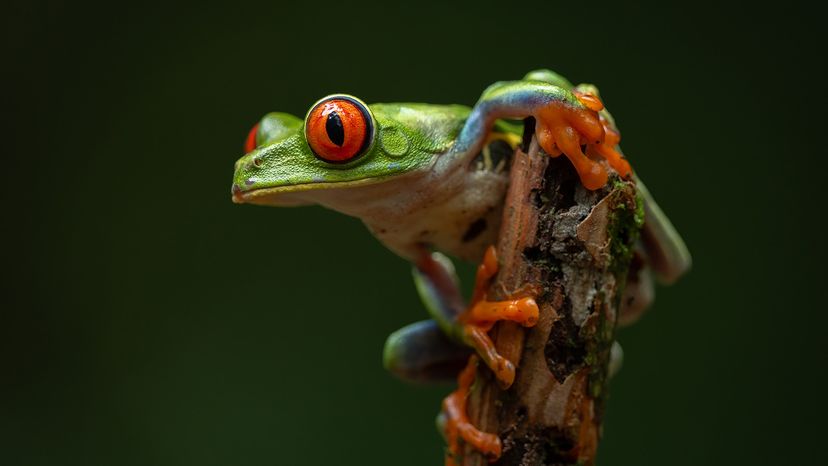
Red-eyed Tree Frog
Red-eyed tree frog. Harry Collins Photography / Shutterstock

Frogs, salamanders, and newts are amphibians. They begin life in water with gills and transform into air-breathing adults. Amphibians are sensitive to environmental changes, making them important indicators of ecosystem health.

Advertisement

5. Fish

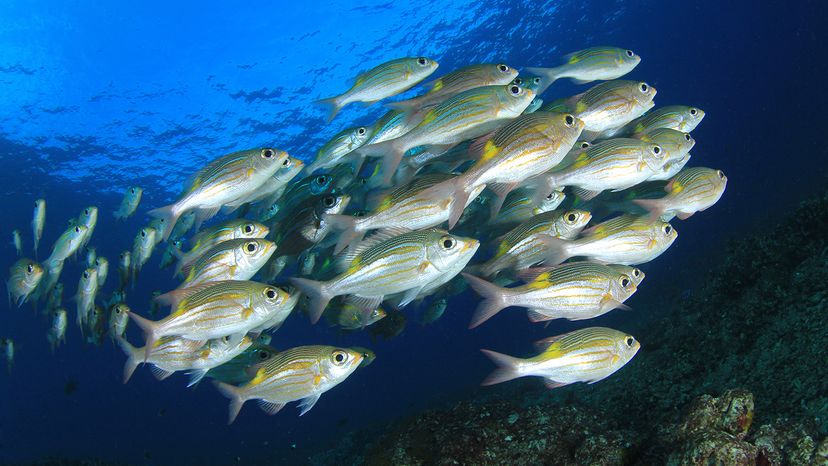
Snapper fish school
Snapper fish. Rich Carey / Shutterstock

Fish were the first vertebrates on Earth. Most live in water their whole lives, breathing through gills. Fish come in three basic types: jawless, cartilaginous (like sharks), and bony fish (like trout). All these animals play key roles in aquatic food webs.

Advertisement

6. Invertebrates

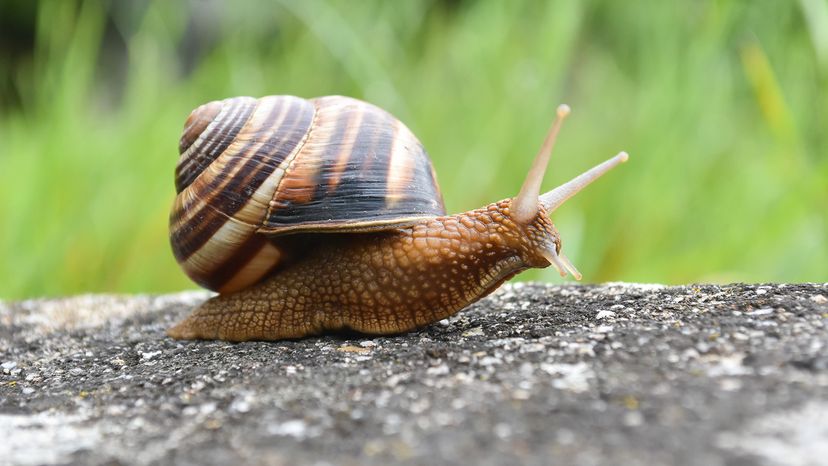
Snail
Snail. Ivan Marjanovic / Shutterstock

Invertebrates are animals without backbones and make up the majority of animal species. They include:

  • Arthropods: Insects, spiders, and crustaceans with jointed legs and hard exoskeletons
  • Mollusks: Snails, clams, and octopuses with soft bodies, some with shells
  • Segmented worms: Earthworms and leeches with ringed bodies
  • Sponges and cnidarians: Sea sponges, jellyfish, and sea anemones with simple body plans
  • Echinoderms: Sea urchins and starfish with radial symmetry

Advertisement

7. Arthropods

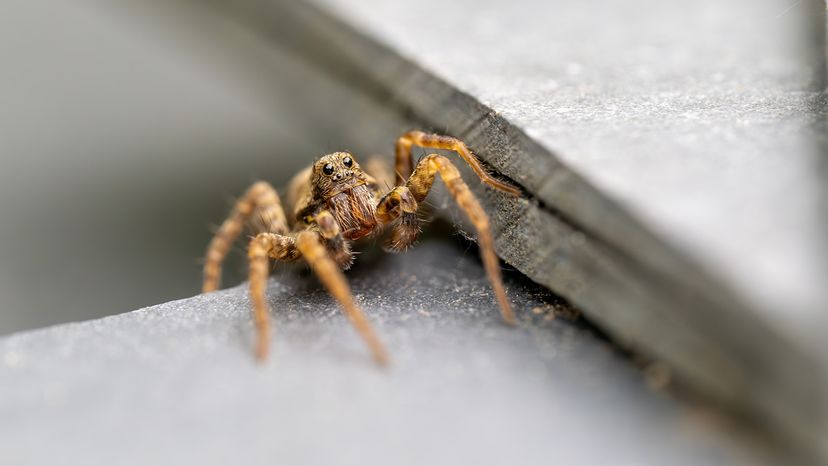
Wolf Spider
Wolf spider. Stephan Morris / Shutterstock

Technically a subgroup of invertebrates, arthropods deserve their own spotlight. This includes insects, crustaceans, and arachnids like spiders. They’re the most diverse group in the animal kingdom, occupying nearly every habitat.

We created this article in conjunction with AI technology, then made sure it was fact-checked and edited by a HowStuffWorks editor.

Advertisement

Advertisement

Loading...