What's a Group of Ravens Called? Not a Murder (That's Crows)

By: Nico Avelle  | 
Known for their intelligence, ravens can remember human faces and even hold a grudge. Michal Ninger / Shutterstock

Words matter, especially when they echo through the trees. If you've ever seen a cluster of ravens swooping across a forest or perched on a fence post, you might wonder: What is a group of ravens called?

It turns out, the answer carries a heavy load of history, mythology, and a dash of drama.

Advertisement

Not Just a Flock

ravens
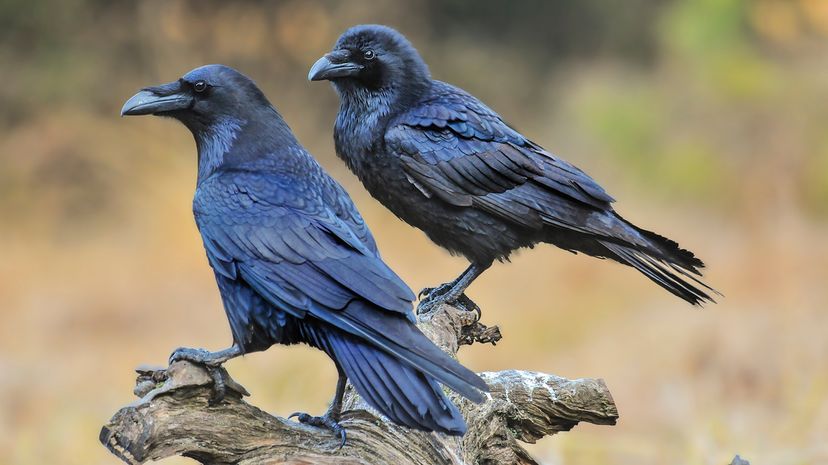
These ravens do look rather conspiratorial, don't they? Krasula / Shutterstock

Most birds travel in flocks, but ravens get something different: a conspiracy. That’s one of the traditional collective nouns for a group of ravens.

The phrase "a conspiracy of ravens" evokes images of shadowy meetings and whispered secrets. It's no accident. Ravens have long been associated with prophecy, trickery, and wisdom in cultures across the northern hemisphere.

Advertisement

Another term is an "unkindness" of ravens. That phrase reflects how ravens were viewed in older European folklore: as harbingers of death and bad omens.

These words highlight the bird's mysterious image in the natural world and human culture.

Advertisement

Smart, Social, and Mysterious

Ravens are both ominous and brilliant. Among the most intelligent animals in the world, ravens are capable of using tools, solving puzzles, and mimicking human voices.

raven
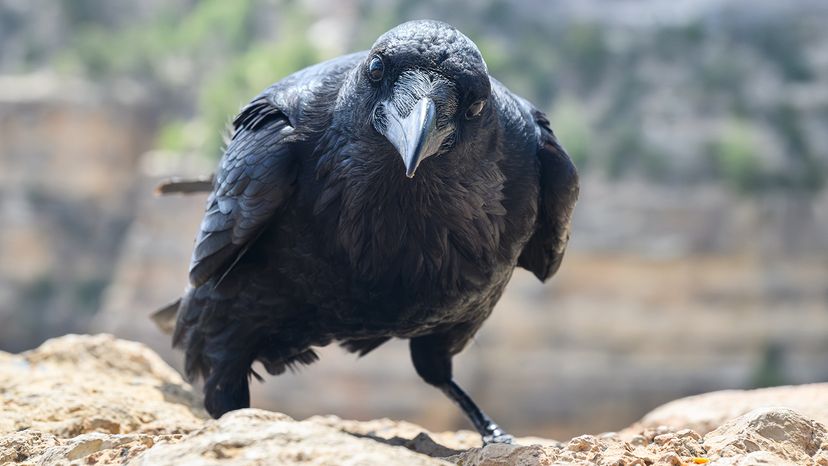
How would you describe this raven's expression? It's definitely thinking something.
Ian Dewar Photography / Shutterstock

They can recognize individual human faces and even remember people who threaten them. Studies show ravens can hold grudges and respond differently based on past experiences with specific humans.

Advertisement

In the wild, ravens form strong social bonds. Mated pairs often stay together for life.

Young ravens engage in play and complex vocal communication that includes chattering, croaking, and even sounds that mimic water drops. These birds form loose groups during their younger years, where they learn social behavior from other ravens.

Advertisement

Origins in Myth and Folklore

Ravens have long held symbolic weight in the animal kingdom. In Norse mythology, Odin's two ravens, Huginn (thought) and Muninn (memory), flew across the world gathering knowledge. These birds weren't just pets; they were divine messengers.

This connection between ravens and wisdom isn't exclusive to Norse legends. Ravens appear in various myths and folklore across the northern hemisphere, often representing omens, prophecy, or the boundary between life and death.

Advertisement

Literature picks up on this theme, too. Edgar Allan Poe's iconic poem "The Raven" uses the bird as a symbol of loss and haunting memory.

Group Dynamics in the Natural World

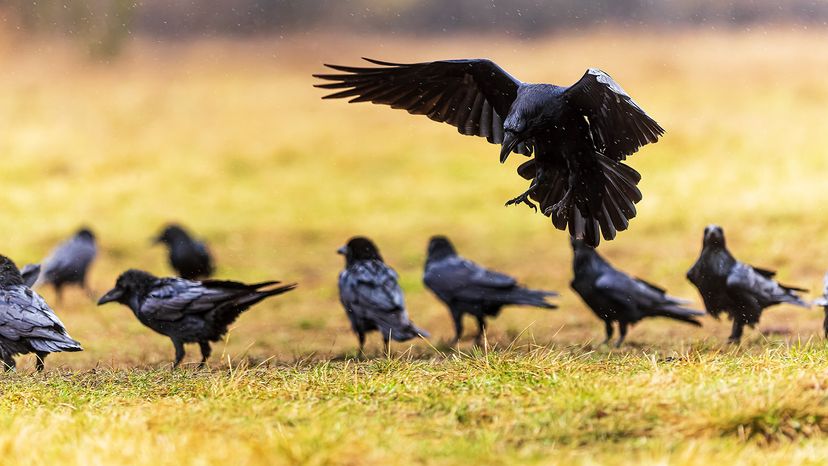
In the animal kingdom, ravens display complex social structures. While mated pairs often defend their territory, younger or unattached ravens gather in groups. These groups offer benefits like protection, shared information, and social interaction.

Unlike geese or starlings, which often migrate in uniform V-formations or massive murmurations, ravens have more flexible and informal group behavior. This allows them to adapt to different environments, including forests, mountains, and even human settlements.

Advertisement

Their ability to thrive near people, feed on carrion, and explore new food sources makes them especially resourceful.

Language, Culture, and Connection

Collective nouns like "conspiracy" or "unkindness" more than quirky phrases. They reflect how humans interpret the world around them. These terms link animals to emotions, appearances, and behaviors.

Other birds have their own unique group names too: a parliament of owls, a murder of crows, a charm of finches, and a company of parrots. Ravens fit neatly into this tradition of language infused with observation and folklore.

Advertisement

We created this article in conjunction with AI technology, then made sure it was fact-checked and edited by a HowStuffWorks editor.

Advertisement

Loading...