7 Ugliest Bird Species: Evolutionary Qualities That Aren't So Pretty

By: Nico Avelle  | 
We'd look appalled too if someone called us ugly. FotoRequest / Shutterstock

Beauty is in the eye of the beholder, but in the bird world, some species seem designed to challenge that idea. These contenders for ugliest bird species sport bald heads, bare skin, and off-putting features that serve real evolutionary purposes.

Here are the birds that turn heads—just not always in admiration.

Advertisement
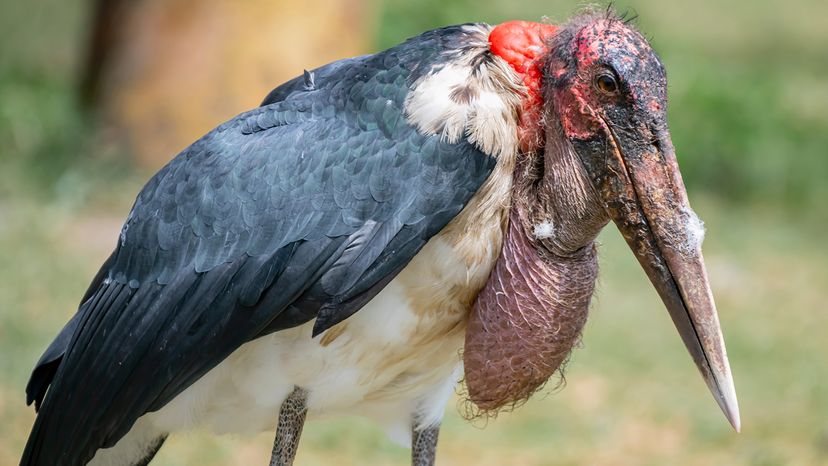
1. Marabou Stork

bird
Marabou stork. Pisit Rapitpunt / Shutterstock

Found across Sub-Saharan Africa, the marabou stork is tall, hunched, and bald-headed, with a drooping pink air sac and a hooked bill. Its ungainly appearance is perfect for its role as a scavenger. A bare head helps it stay clean while feeding on fresh carcasses, much like other vultures.

Its massive size and black plumage give it a presence that's hard to ignore, especially when paired with booming calls during courtship displays.

Advertisement

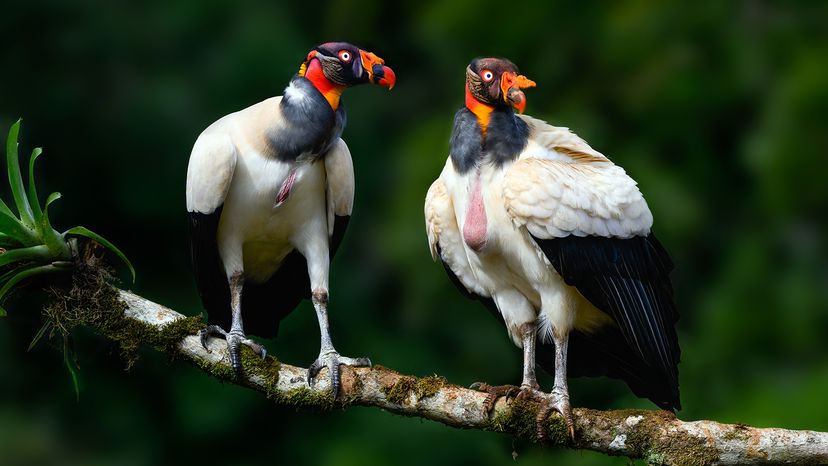
2. King Vulture

bird
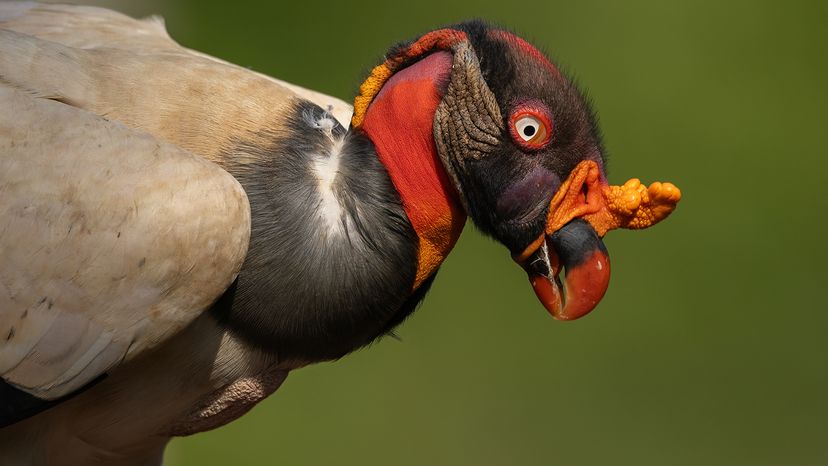
King vulture. Harry Collins Photography / Shutterstock

The king vulture of Central and South America might be brightly colored, with orange and red skin patches, but its bald head and wrinkled face make it hard to love.

Despite the jarring look, it plays a crucial ecological role by cleaning up animal remains. This species is the largest scavenging bird in most of its range, out-sizing other vultures in its habitat. It uses its powerful hooked beak to tear into tough hides.

Advertisement

King Vultures do not gather in groups to breed; instead, each male courts a mate as part of a monogamous pair, nesting in secluded sites.

3. Northern Bald Ibis

bird
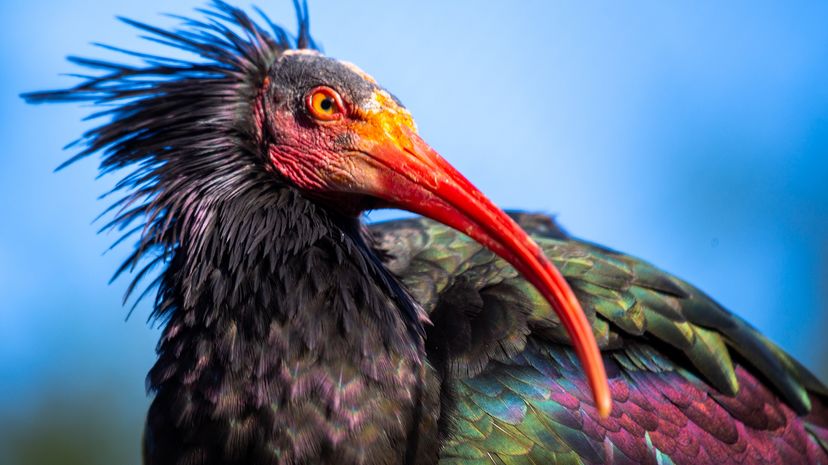
Northern bald ibis. fluffandshutter / Shutterstock

Endangered and native to parts of the Middle East, southern Europe, and northern Africa, the northern bald ibis features a completely bald red head with dark plumage and a long curved beak.

It may not be pretty, but it's perfectly adapted to hunting insects and small animals on rocky terrain.

Advertisement

Habitat loss and historical persecution led to its decline, but conservation programs now help restore this bizarre-looking bird to parts of its native range.

4. Muscovy Duck

bird
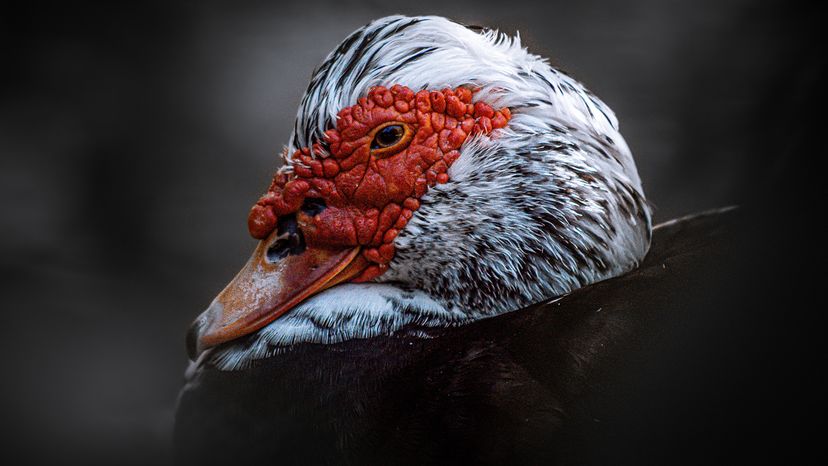
Muscovy duck. NinaTavaresPhotos / Shutterstock

Native to Mexico, Central, and South America (with a natural range extending into extreme southern Texas), the Muscovy Duck is also found in parts of the southern United States due to introduced feral populations.

It stands out with red, warty skin around its face and very few feathers on its head. It prefers dense forests and shallow water and is often seen feeding on plant matter and small fish.

Advertisement

Despite the off-putting appearance, it's a close relative of domesticated ducks and known for its quiet nature, compared to other species.

5. Southern Ground Hornbill

bird
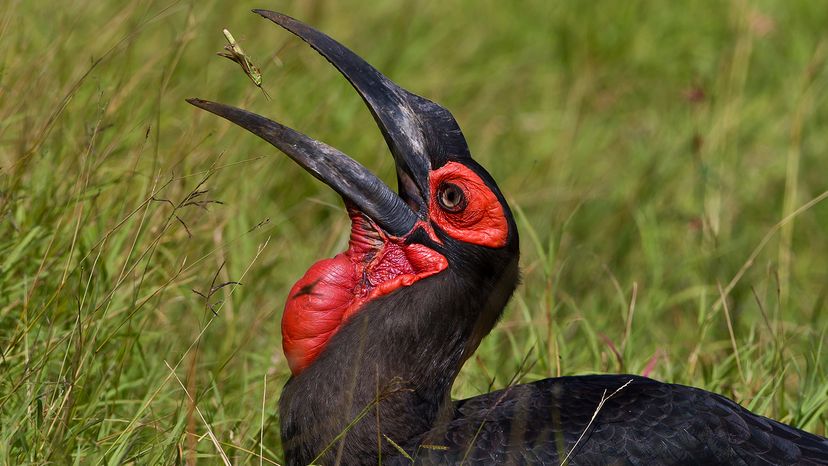
Southern ground hornbill. Coerie Ferreira / Shutterstock

Native to Africa south of the equator (from Kenya to South Africa), it has mostly glossy black feathers and a bright red face, accompanied by a deep, booming call. It forages on the ground for small animals and flying insects.

Its bare facial skin and intense expression give it a fearsome look.

Advertisement

Southern ground hornbills form long-term breeding pairs and live in family groups. Their loud, low-frequency calls echo across savannas and woodlands, marking territory and communicating with mates.

6. California Condor

bird
California condor. Georgi Baird / Shutterstock

The California condor is the largest flying bird in North America. With its broad wings, bare head, and stark black feathers, it’s built for soaring across rugged canyons.

That bald head? It’s an adaptation to feeding on carrion without getting messy.

Advertisement

Critically endangered due to habitat destruction and lead poisoning, the California Condor has rebounded thanks to intensive conservation efforts and is now considered a notable success story, although it remains under close monitoring.

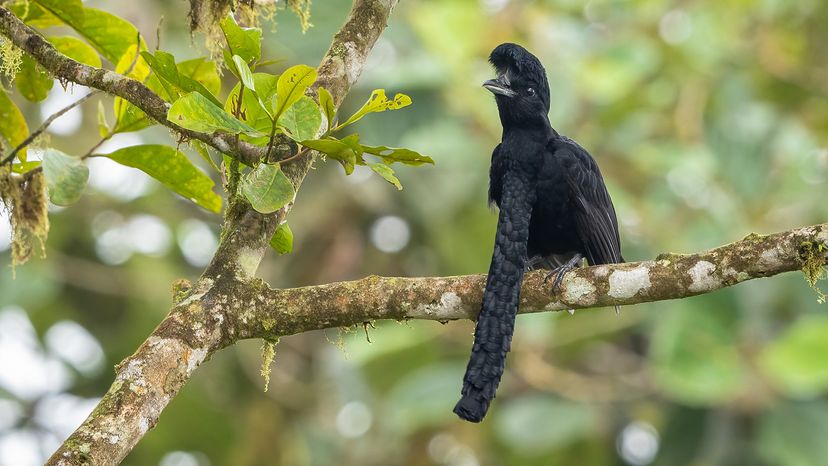
7. Long-wattled Umbrellabird

bird
Long-wattled umbrellabird. Wim Hoek / Shutterstock

Found in the tropical forests of South America, this bird lives up to its name. The male sports a feathered crest that resembles an umbrella and a long, dangling wattle that inflates during courtship displays.

Its small head, black plumage, and awkward silhouette make it one of the strangest-looking birds in the world. But to potential mates, the booming calls and dramatic features are irresistible.

Advertisement

We created this article in conjunction with AI technology, then made sure it was fact-checked and edited by a HowStuffWorks editor.

Advertisement

Loading...