
The avian world is full of wonder, but some species stand out as truly unusual. From strange seabirds to flightless creatures that look like dinosaurs, these are the weird birds that have us doing double-takes.
Advertisement
The avian world is full of wonder, but some species stand out as truly unusual. From strange seabirds to flightless creatures that look like dinosaurs, these are the weird birds that have us doing double-takes.
Advertisement
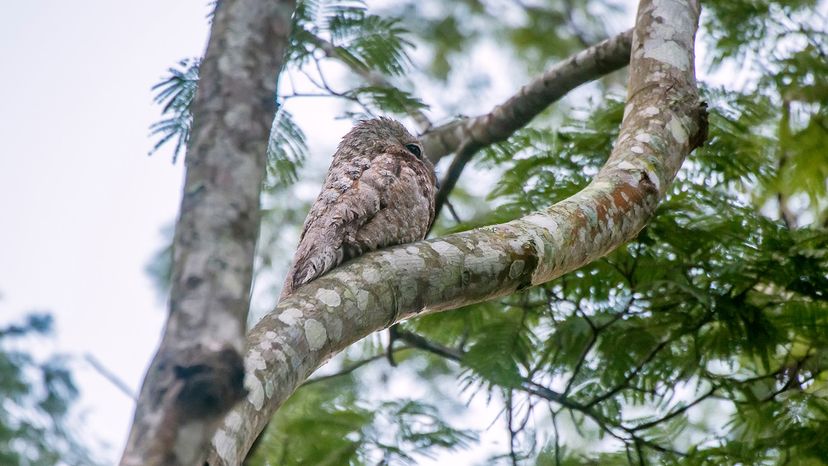
Found in Central America and South America, the great potoo looks like a creature out of a storybook. With its wide mouth, large eyes, and uncanny camouflage, it appears almost like an old man perched on a branch.
At night, it hunts insects, blending into the trees so well it often goes unnoticed by humans.
Advertisement
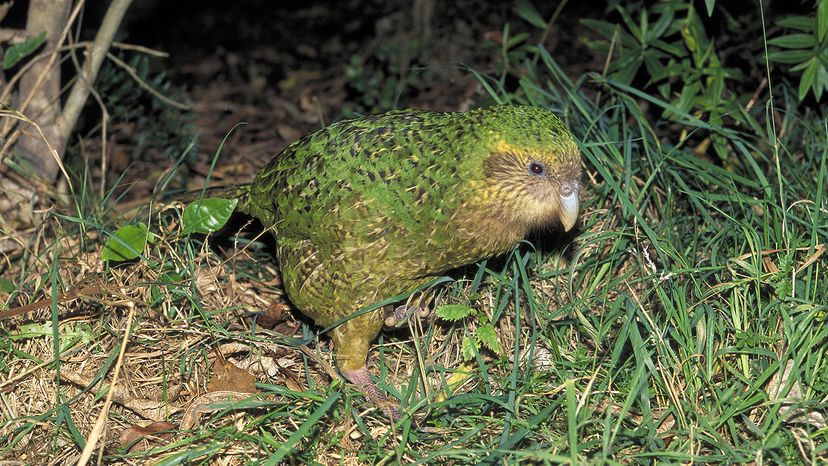
Also called the “owl parrot,” the kakapo is a nocturnal, flightless bird native to New Zealand. Once widespread, it is now endangered.
During breeding season, males gather and boom loudly to attract females. Their unusual mating displays make them one of the strangest creatures in the bird world.
Advertisement
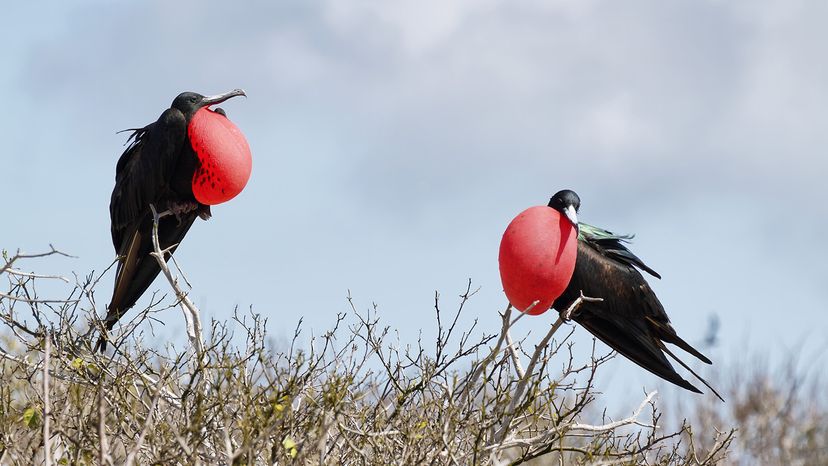
These seabirds soar over tropical and subtropical waters with incredible grace. Males inflate a bright red throat pouch like a balloon during their own attempt to attract females.
With long wings and excellent flight skills, frigatebirds spend most of their lives over the sea, catching fish and other prey.
Advertisement
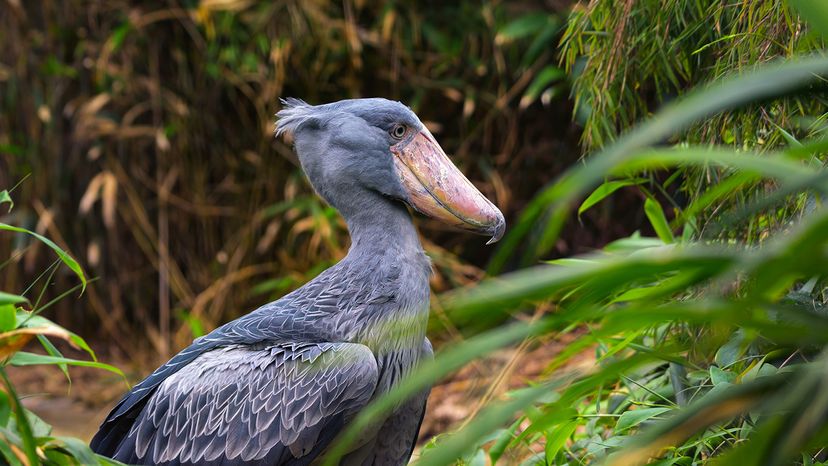
Native to central Africa, the shoebill stork looks like it stepped straight out of the age of dinosaurs. With its massive shoe-shaped beak, it preys on fish, frogs, and even small animals.
Its bizarre appearance and slow, deliberate movements make it one of the most unusual birds on Earth.
Advertisement
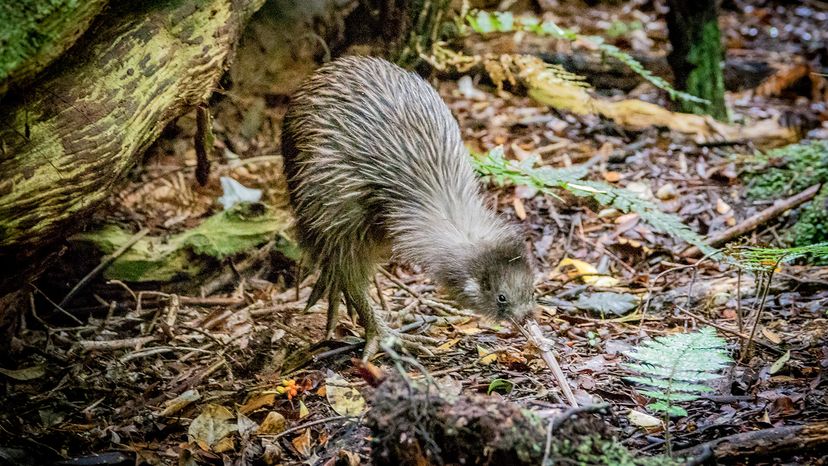
Native to New Zealand, the kiwi is a flightless bird with tiny wings, strong legs, and a keen sense of smell. Unlike most birds, it uses its long beak to sniff out insects and other food at night.
Endemic to the islands, this bizarre species lays huge eggs compared to its body size.
Advertisement
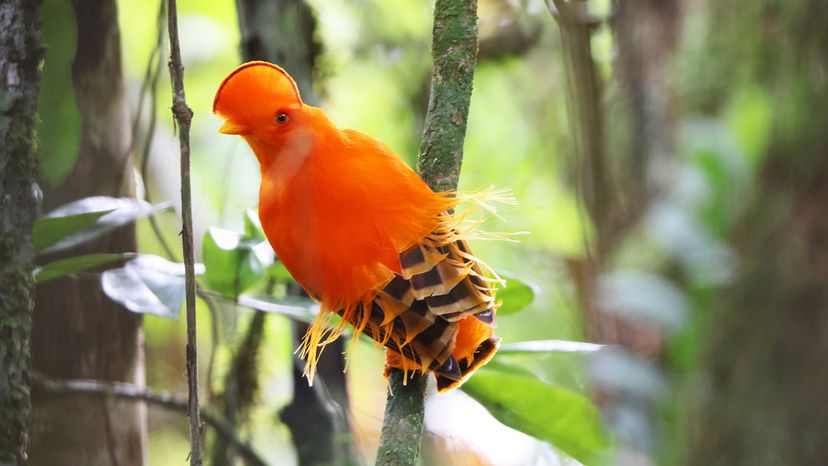
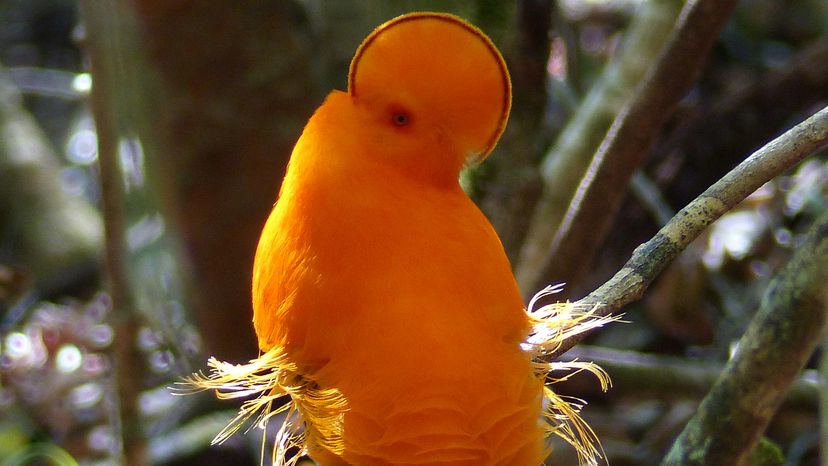
This bird of northern South America has bright orange plumage and a strange, half-moon crest covering its head.
During the breeding season, males gather in groups to perform elaborate displays to attract females. Their colourful appearance makes them look almost like photo manipulation in real life.
Advertisement
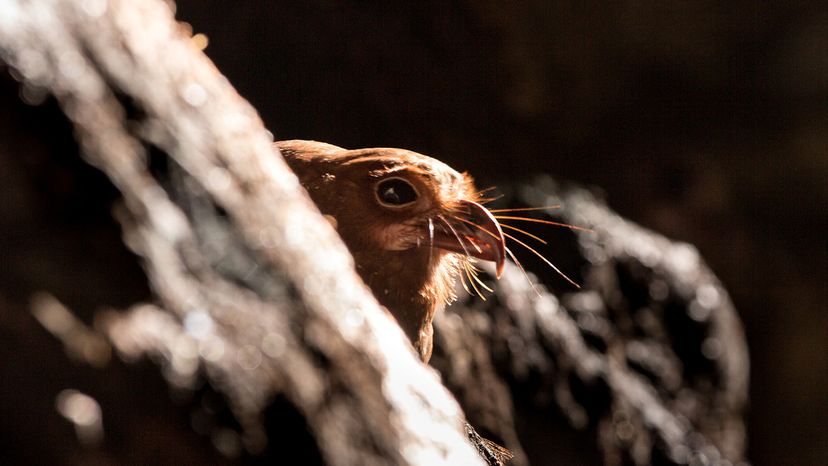
Native to South America, this nocturnal bird uses echolocation like bats to navigate caves. Called the oilbird, it feeds on fruit at night and roosts in colonies.
Its unusual behavior and eerie calls add to its reputation as one of the strangest avian species.
Advertisement
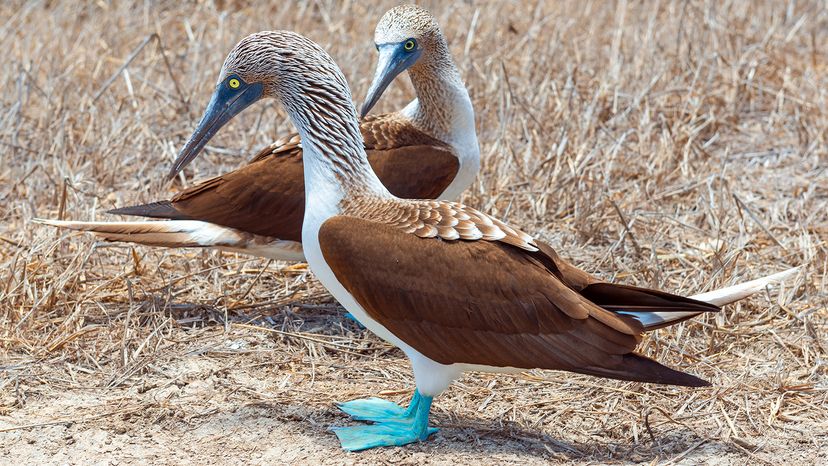
Widespread along tropical seas, especially around the Galápagos Islands, the blue-footed booby is famous for its bright blue legs.
Males show off by lifting their colourful feet in a comical dance to impress females. These seabirds eat fish and are excellent divers.
Advertisement
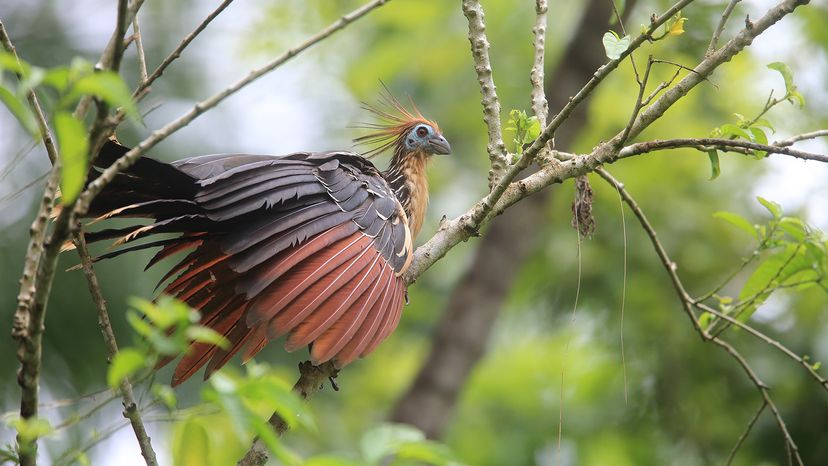
Known as the “stink bird,” the hoatzin lives in South America’s swamps and rivers. It digests leaves through a fermentation process similar to cows, giving it a foul smell. Its chicks even have claws on their wings, an ancient feature that reminds us of dinosaurs.
Advertisement
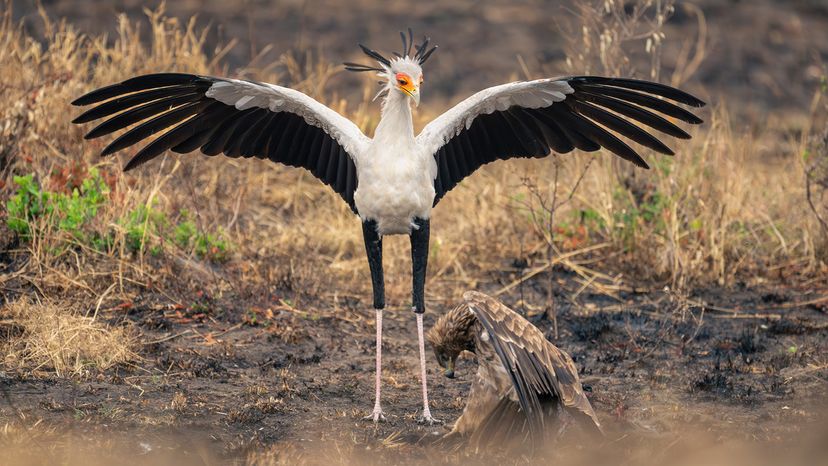
A tall, long-legged raptor native to Africa, the secretary bird hunts snakes on the ground instead of soaring like other birds of prey.
With its unusual gait and striking head feathers, it looks both bizarre and majestic, striding across the savanna in search of prey.
We created this article in conjunction with AI technology, then made sure it was fact-checked and edited by a HowStuffWorks editor.
Please copy/paste the following text to properly cite this HowStuffWorks.com article:
Advertisement