
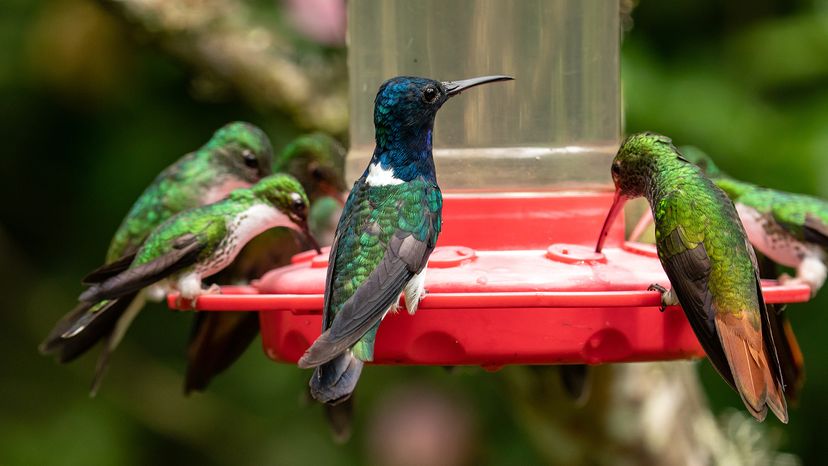
You’ve probably seen hummingbirds darting around your yard or at a feeder, shimmering like flying jewels.
But what is a group of hummingbirds called? The answer may surprise you—and it’s as charming as the birds themselves.
Advertisement
You’ve probably seen hummingbirds darting around your yard or at a feeder, shimmering like flying jewels.
But what is a group of hummingbirds called? The answer may surprise you—and it’s as charming as the birds themselves.
Advertisement
While most birds gather in flocks, a group of hummingbirds is referred to by a much more poetic term: a bouquet. Some sources also use the word "charm."
Both names reflect the visual appeal of these little birds as they shimmer and flit about, especially when several are spotted feeding together.
Advertisement
But unlike larger birds, hummingbirds rarely form tightly coordinated groups. They're fiercely territorial, especially around food sources like nectar feeders or blooming flowers. So if you see more than one hummingbird in the same space, it's usually a temporary gathering.
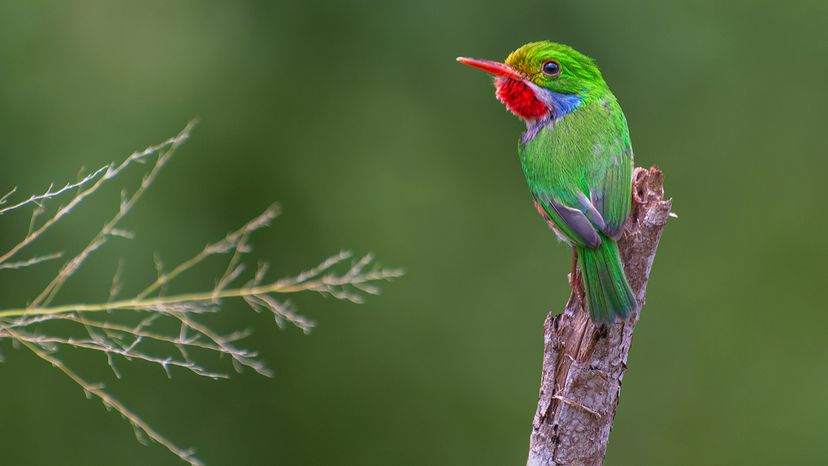
Most hummingbird species prefer to go solo. Males, in particular, are highly competitive and will defend their territory aggressively. Females are often seen feeding or nesting alone.
So even though you might see multiple hummingbirds in one yard, they aren’t a flock in the traditional sense.
Advertisement
That said, during migration seasons—especially in spring and fall—you may catch larger numbers of them refueling together along the Gulf Coast, in northern Mexico or southern parts of the U.S.
It’s during these brief weeks that you’re most likely to see a group of hummingbirds in close proximity.
Advertisement
Species like the ruby-throated hummingbird migrate as far north as Canada during the warmer months, with some hummingbird species even reaching Alaska. Come winter, they travel thousands of miles back to Central America and Mexico.
This massive migration isn’t done in large, coordinated flocks like geese. Instead, each bird travels solo.
Advertisement
Still, feeders along the migration path can become hotspots. Scientists have caught hummingbirds in the act of feeding together, especially in areas rich with nectar. Videos shared on Facebook or backyard wildlife pages often show these fleeting group moments that go viral for their sheer beauty.
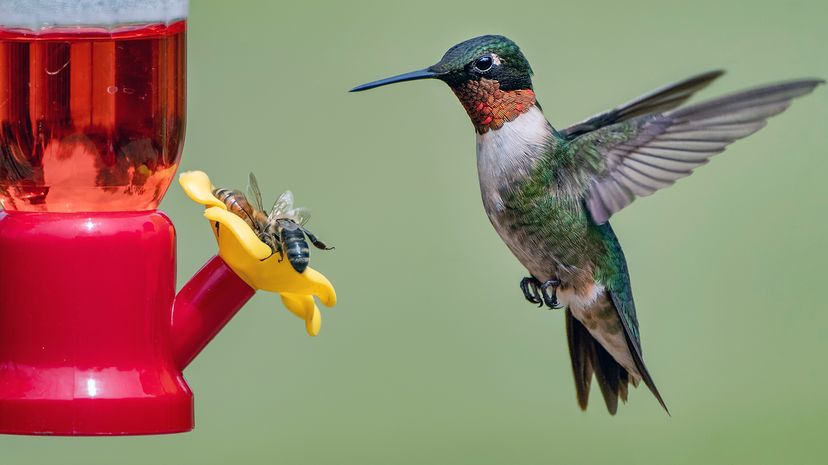
Hummingbirds are constantly searching for food. Nectar is their main energy source, but they also eat small insects for protein. When food is abundant, such as during the blooming season or when feeders are filled, several birds may tolerate each other for short periods.
In colder climates, people often continue feeding hummingbirds into early fall to help them prepare for migration. This is especially beneficial in places like the northern U.S. and southern Canada.
Advertisement
Adding extra feeders spaced apart can reduce territorial squabbles and attract more birds to your yard.
The word "bouquet" captures the visual impact of hummingbirds—a colorful, energetic gathering, albeit brief. It’s a lot more expressive than just saying "group." Like other collective nouns (a murder of crows, a pandemonium of parrots), it gives personality to animal behavior we observe in real life.
Although you won’t find a bouquet of hummingbirds spending long periods together, these birds are still social in their own way. They communicate through movement, posturing, and the occasional high-pitched squeak. Observing these behaviors in your backyard can add a lot of interest to your day.
Advertisement
We created this article in conjunction with AI technology, then made sure it was fact-checked and edited by a HowStuffWorks editor.
Please copy/paste the following text to properly cite this HowStuffWorks.com article:
Advertisement