What Is a Group of Magpies Called? Not a Flock or a Parliament but a...

By: Nico Avelle  | 
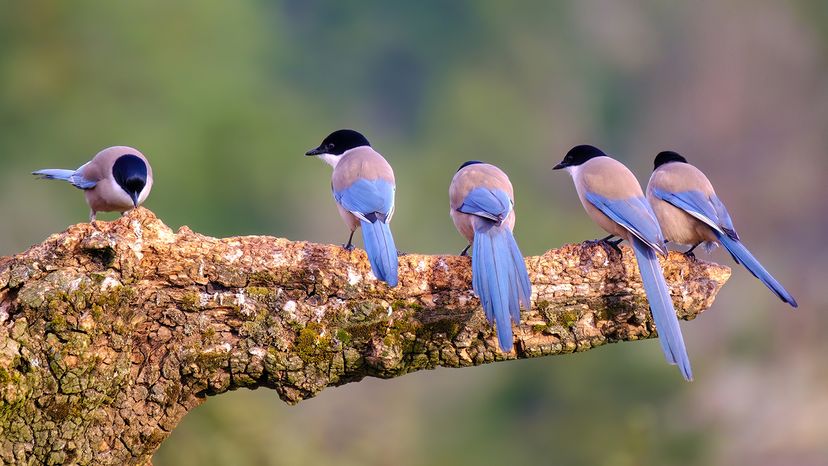
Birds in particular have a lot of fun collective nouns. Franciscomgp / Shutterstock

If you have ever asked, "What is a group of magpies called," you are stepping into a long tradition of collective nouns used for birds.

Magpies have a well-known group name—a mischief—which sits alongside hundreds of other collective bird terms coined throughout history.

Advertisement

Collective nouns for birds reflect how humans observe the animal kingdom. They mix behavior, sound, movement and myth into single words.
'Mischief' Is the Word You're Looking For

birds
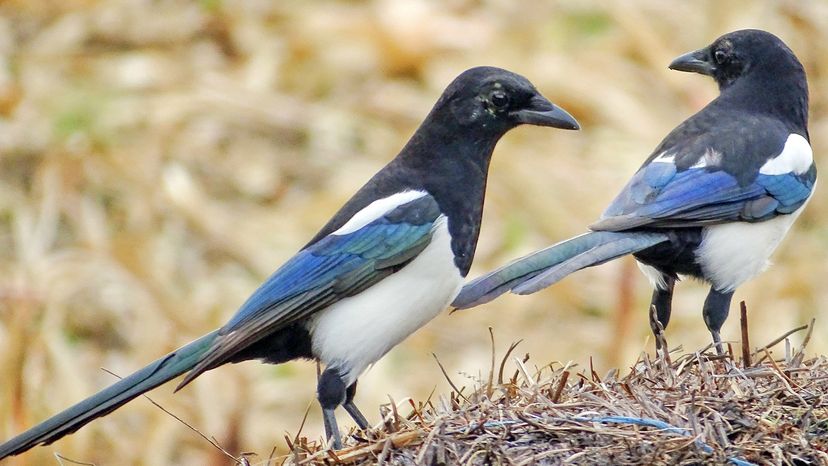
These two look like they're getting up to some mischief. Herman Vlad / Shutterstock

The accepted answer is simple: A group of magpies is called a mischief.

This term is most often applied to Eurasian magpies, which are bold, vocal and highly intelligent. When several gather together, the constant movement and noise give the impression of coordinated trouble.

Advertisement

How 'Mischief' Fits Among Collective Nouns for Birds

Magpies are far from alone in having a creative group name. English includes many collective nouns for birds, often tied to personality or folklore.

A charm of goldfinches focuses on sound. A parliament of owls suggests wisdom. A murder of crows emphasizes superstition. A mischief of magpies reflects attitude.

Advertisement

Magpies and Their Close Relatives

bird
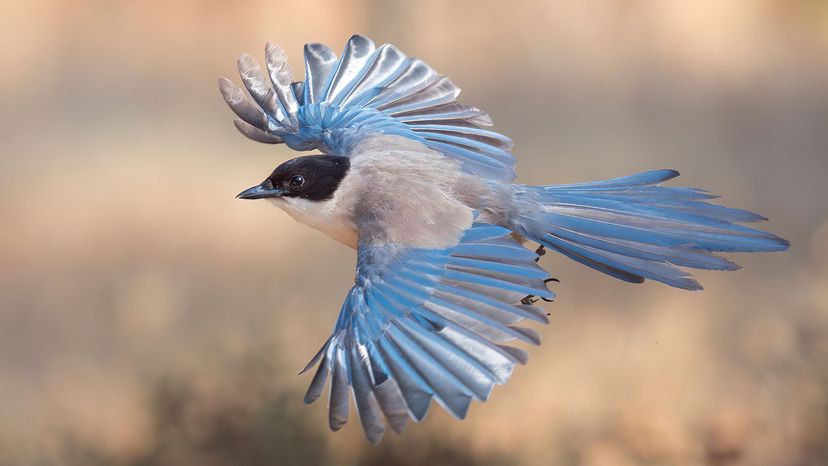
Flying to join a little mischief? Wirestock Creators / Shutterstock

Magpies belong to the same broader group as crows, ravens, rooks, and jackdaws. These birds often share similar intelligence and social behavior.

A group of flamingos is called a flamboyance. Ravens gather in an unkindness. Rooks form a parliament or building. Jackdaws appear in clattering groups. Together, they show how varied bird group names can be even within related species.

Advertisement

Birds have accumulated an enormous number of collective nouns over time. You will find terms for pigeons, doves and turtle doves, ducks and mallards, geese and waterfowl, gulls and seagulls, guinea fowl and guillemots—the list goes on.

Why Birds Have So Many Group Names

Birds flock, migrate, nest and feed in open view, which makes their behavior easy to describe. Over centuries, people created words to match what they saw.

Some terms describe movement, like a flock or swarm. Others describe sound, like a charm of finches. Together, they form a rich vocabulary that spans cultures and time.

Advertisement

Folklore, Numbers and Meaning

Magpies appear frequently in folklore. The idea of three magpies shows up in rhymes and myths tied to luck, fate, and future events.

That symbolic weight strengthens the use of mischief. Language preserves not just behavior, but belief.

Advertisement

Why Collective Nouns Still Matter

Collective nouns help people describe groups quickly and vividly. They add character to writing, conversation and learning.

Whether you say a mischief of magpies, a flock of birds or simply a group, the chosen word shapes how people picture the scene. That lasting usefulness explains why these terms continue to survive.

Advertisement

We created this article in conjunction with AI technology, then made sure it was fact-checked and edited by a HowStuffWorks editor.

Advertisement

Loading...