What Is a Group of Quail Called? Why You Should Give a Flock

By: Nico Avelle  | 
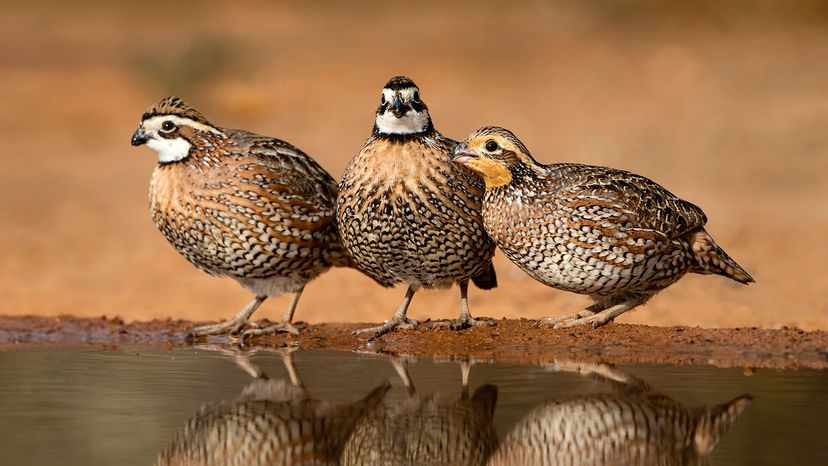
There's a difference between a covey, a flock, and a brace. Danita Delimont / Shutterstock

If you have ever wondered, "What is a group of quail called," the answer is: a covey.

A group of quail is most commonly called a covey, though you might also hear bevy or even brace.

Advertisement

These small, ground-dwelling birds often gather in tight clusters, especially outside the breeding season. And once you know the word "covey," you start hearing it everywhere—in field guides, wildlife videos, and even casual conversation.

Why Is It Called a Covey?

Covey is a collective noun, which means it names a group of animals. In the case of quail, the term likely comes from old French roots connected to broods of birds.

Most quail species form small flocks during winter. A covey usually includes multiple adults and young birds from the same nesting season. When danger approaches, the covey explodes outward in a burst of wings, then quickly regroups on the ground.

Advertisement

Hunters and bird watchers have used the word for centuries. Over time, "covey" became the common name for a group of quail across many regions.

Which Quail Species Form Coveys?

Most quail species gather this way. In North America, the northern bobwhites, scientifically named Colinus virginianus, are famous for covey behavior.

The California quail and Gambel's quail, often found in mountains and desert habitat across the western United States and Mexico, also form coveys.

Advertisement

(You can spot a California quail by the curved plume on its head and scaled brown feathers. Gambel's quail males have a bold black face pattern and a distinctive white stripe above the eye.)

Scaled quail (known scientifically as Callipepla squamata) and Montezuma quail also group together outside the breeding season. Even Old World quail species like Perdicula asiatica in Asia show similar social habits.

Despite regional differences, the behavior pattern stays consistent: During winter, they bunch together for safety and warmth.

Advertisement

What Does a Covey Do?

A covey spends much of its time on the ground. Quail prefer running to flying, and they can sprint through grass and under leaves with surprising speed.

Their daily routine often includes:

Advertisement

  • Foraging for seeds and insects
  • Dust bathing to clean feathers
  • Resting in shaded habitat during midday
  • Gathering closely at night for warmth

During early morning, you might hear their distinctive call sound across fields or brush. Northern bobwhites are named for their whistle, which many people interpret as "bob white."

When breeding season begins around February in some regions, coveys break apart. Birds pair off to mate, and females build nesting sites hidden in grass. After chicks hatch, the mother leads them to food almost immediately.

Advertisement

Why Do Quail Stay Together?

Quail are small birds, typically brown or gray with patterns that help them blend into habitat. Staying in a group improves survival.

Predators have a harder time targeting one individual when many birds flush at once. The sudden burst of wings can confuse threats long enough for the covey to escape.

Advertisement

There is also warmth to consider. On cold winter nights, northern bobwhites form a circle on the ground with tails turned inward and heads facing out. This shared body heat helps them conserve energy.

So the next time you read about a group of quail moving through brush or see videos of them scattering and regrouping, you will know the right word. That gathering is a covey—a small, coordinated group shaped by habitat, season, and survival.

Advertisement

Are There Other Names for a Group of Quail?

Yes. While covey is the most common term, some people use "bevy" to describe a group of quail. "Brace" refers specifically to a pair of birds, often in hunting language.

Interestingly, different birds have different collective nouns. A flock works for many birds in general. But quail, like some other species, keep their own specialized word.

Advertisement

That pattern shows up across the animal world. We use precise words because they help describe behavior. A covey suggests tight formation and ground movement, not loose flight like a flock of geese.

We created this article in conjunction with AI technology, then made sure it was fact-checked and edited by a HowStuffWorks editor.

Advertisement

Advertisement

Loading...