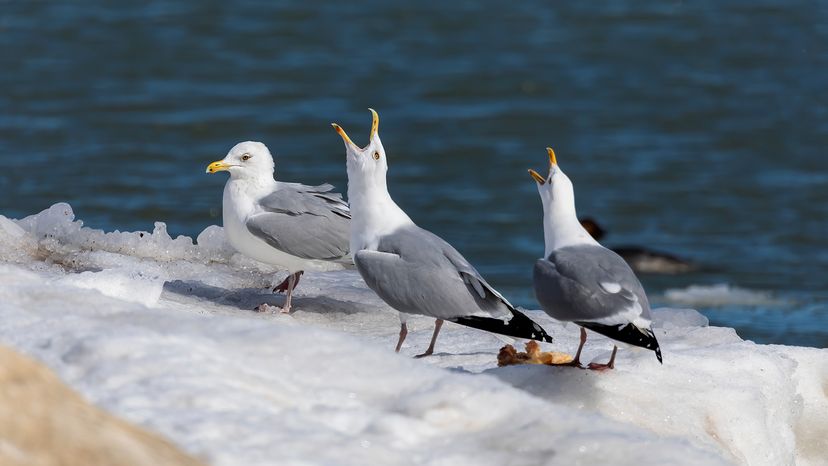
What Is a Group of Seagulls Called? Not a Parliament or Murder

By: Nico Avelle  | 
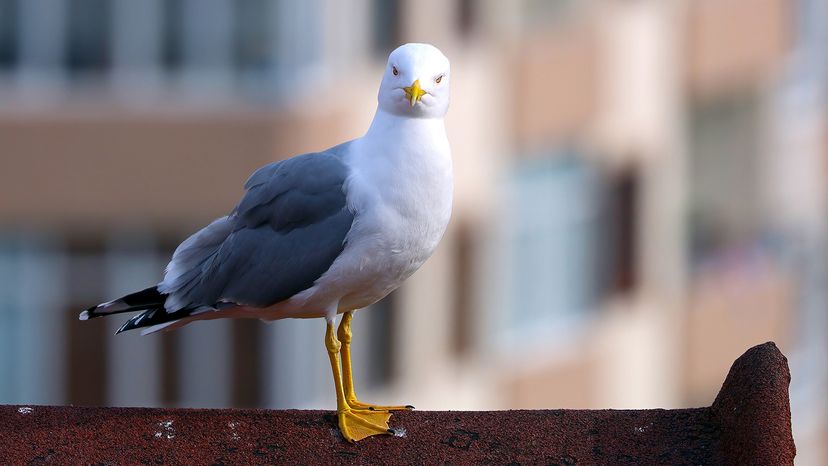
Apparently we have this seagull's attention. ILTERIS YILMAZ / Shutterstock

Ever wondered what to call a bunch of seagulls? You're not alone.

By asking, "What is a group of seagulls called," you're stumbling into one of the most delightful quirks of the English language: Every bird seems to have its own unique term.

Advertisement

Let's break down what these collective nouns mean, and where seagulls fit in the animal kingdom.
What Is the Right Term for Seagulls?

birds
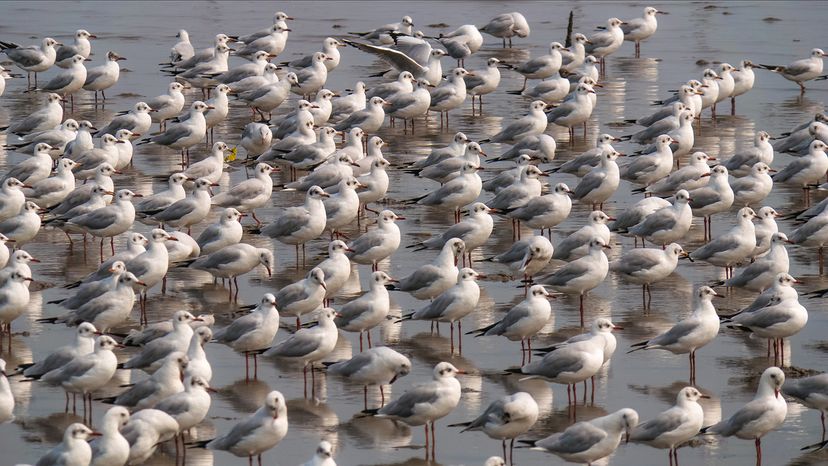
You could call this either a flock or a colony. Mongkolchon Akesin / Shutterstock

The most widely accepted term is a flock of seagulls. That’s the same word used for many other birds, like ducks, sparrows and gulls in general.

But when seagulls gather in larger or more chaotic numbers, they can also be called a colony. This term is often used during breeding season, when seabirds like gulls and guillemots form dense nesting communities.

Advertisement

Why So Many Names for Birds?

The English language loves its collective nouns. Over centuries, people coined whimsical or poetic terms for groups of animals: a parliament of owls, a murder of crows, a gaggle of geese.

These words often reflected behavior, habitat or human interpretation. For example, a group of starlings moving in unison is called a "murmuration," a nod to their stunning flight patterns.

Advertisement

Birds have some of the most colorful collective nouns around. You’ll find:

  • A charm of goldfinches
  • A raft of ducks (when on water)
  • A siege of herons
  • A convocation of eagles
  • A pandemonium of parrots

Advertisement

Where Seagulls Fit Among Their Feathered Friends

Seagulls, more accurately known as gulls, are part of the larger group of sea fowl. This includes pelicans, cormorants, and albatrosses.

Like many other birds, they’re often observed in flocks, especially when near food sources or during migration.

Advertisement

While they don’t have a one-of-a-kind collective noun like some species (no "squabble of seagulls" here—yet), their behavior still puts them in the mix with pigeons, terns, and sandpipers.

Flocks, Colonies, and Breeding Habits

birds
One gull looks less content than his flock friends. Karel Bock / Shutterstock

During the breeding season, seagulls often form tight-knit colonies. These large groups offer safety in numbers from predators and allow gulls to collectively raise chicks by collectively warding off predators.

This is similar to other sea birds such as guillemots, which nest in large, dense colonies. When not breeding, gulls may still stick together in flocks for food or travel, making them a familiar sight along coastlines and city dumps alike.

Advertisement

We created this article in conjunction with AI technology, then made sure it was fact-checked and edited by a HowStuffWorks editor.

Advertisement

Loading...