Ant vs. Termite Infestations: Telltale Signs to Watch Out For

By: Nico Avelle  | 
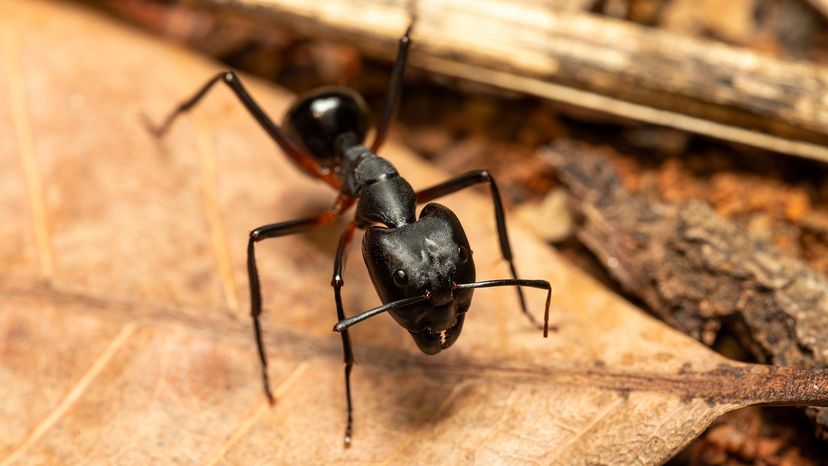
Carpenter ant
This carpenter ant doesn't have wings, but it can be difficult to differentiate between winged ants and termites if you don't know what to look for. Artush / Shutterstock

When tiny insects with wings start swarming your home, it’s easy to panic. Knowing ant vs. termite differences can save you time, money, and stress.

Correct pest identification is essential for protecting your home and choosing the right treatment plan. These two pests may look similar at first, but their behavior, body shape, and the damage they cause are very different.

Advertisement
Physical Characteristics

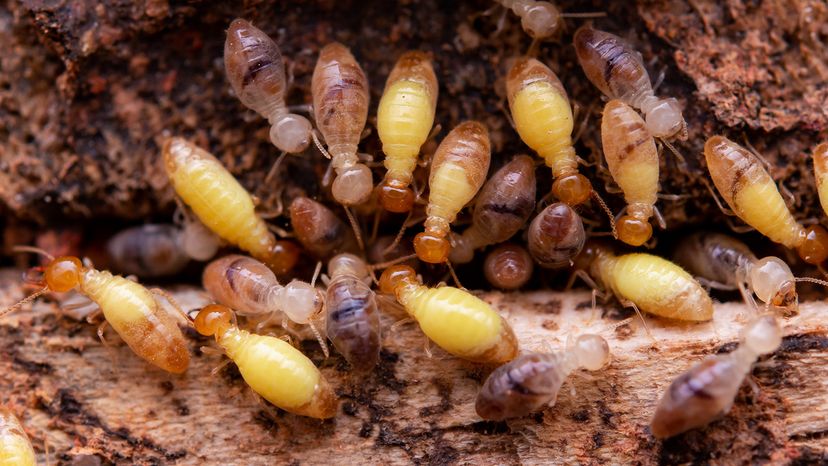
Close up of termites
Termites. Peter Kai / Shutterstock

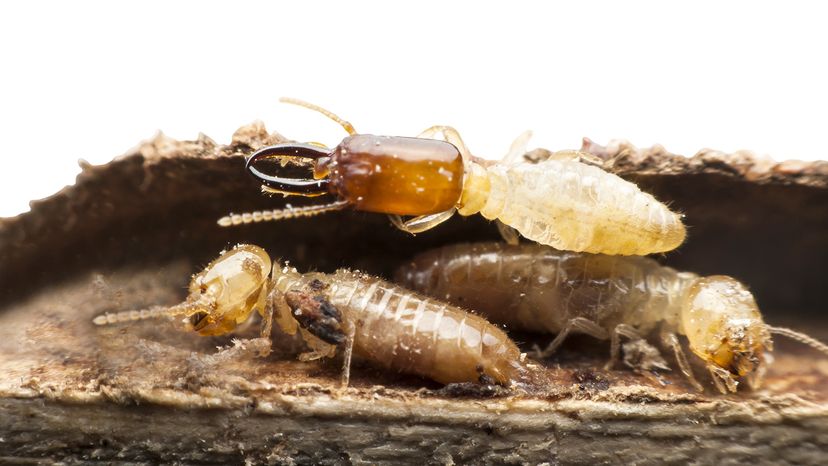
Termites and ants differ in three main areas: antennae, waist, and wings.

Termites have straight antennae, a broad waist, and two pairs of wings that are the same size. Their wings are longer than their body and tend to be more delicate.

Advertisement

Ants, including flying ants and reproductive ants (ant swarmers), have elbowed antennae, a pinched waist, and wings of unequal size; the front wings are larger than the hind wings.

Winged ants tend to appear during the same season as termite swarmers but are structurally different upon close inspection.

Advertisement

Behavior and Nesting Habits

Subterranean termites build their nests underground in soil, whereas drywood termites nest entirely inside wood; both feed on cellulose and can cause significant structural damage over time. They often build mud tubes to travel safely from soil to wood.

Termite infestation signs include tunnel openings, discarded wings, and hollow-sounding wood.

Advertisement

Carpenter ants, unlike termites, do not eat wood but hollow it out to build nests. Ant infestation signs include sawdust piles, wood shavings, and ant trails. These ants often nest in wall voids, window sills, or wooden structures like floor joists.

Damage to Structures

Termites eat wooden planks
Termites eat wooden planks. Achira22 / Shutterstock

Termites feed on wood from the inside out, which can weaken support beams and compromise structural integrity. Subterranean termite damage can go unnoticed for months or even years.

Carpenter ants cause damage by tunneling through wood to create new nesting sites. While they don’t consume wood, the galleries they carve out can still lead to costly repairs if not treated.

Advertisement

Common Signs and Risks

Both ants and termites shed wings during the swarming phase. You may find piles of discarded wings near window sills or doors. Termite wings are more uniform in size, while ant wings differ in length.

Other signs of a termite problem include mud tubes, creamy white workers, and damaged wood that sounds hollow. Signs of an ant problem may involve dark brown or black worker ants, scent trails, and sightings of ants near food sources or pet food.

Advertisement

Both pests can spread throughout a structure quickly and require professional help to eliminate fully.

Getting Rid of Pests

For Termites

Look for mud tubes, use bait systems, and contact a pest control professional to assess subterranean termite damage.

For Ants

Eliminate food sources, seal entry points, and use ant baits or diatomaceous earth to manage colonies.

Advertisement

We created this article in conjunction with AI technology, then made sure it was fact-checked and edited by a HowStuffWorks editor.

Advertisement

Advertisement

Loading...