Asian Lady Beetle vs. Ladybug: Yes, There's a Difference

By: Nico Avelle  | 
Ladybug
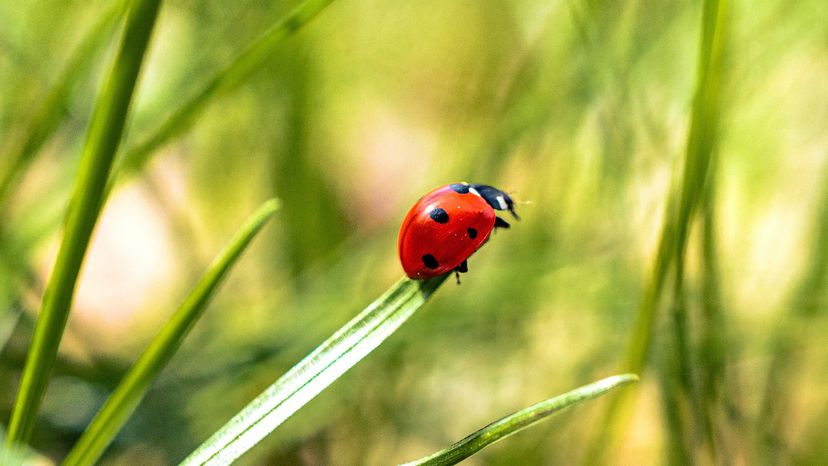
This ladybug species is noninvasive, whereas Asian ladybugs can launch a stinky takeover. gsdm / Shutterstock

Ladybugs might look alike at first glance, but not all of them are beneficial garden guests. If you're looking at a potential invader and unsure if it's an Asian lady beetle vs. ladybug, your confusion is entirely valid.

These two insects may share spots and bright colors, but their habits, impacts, and behaviors are very different bugs.

Advertisement

Native ladybugs munch on aphids and other pests, making them soft-bodied insects that gardeners love. Asian lady beetles, on the other hand, tend to gather in huge numbers and seek shelter inside homes as temperatures drop. This behavior has earned them a spot on the invasive species list.
Asian Lady Beetles, Ladybugs: What's the Difference?

Asian lady beetles
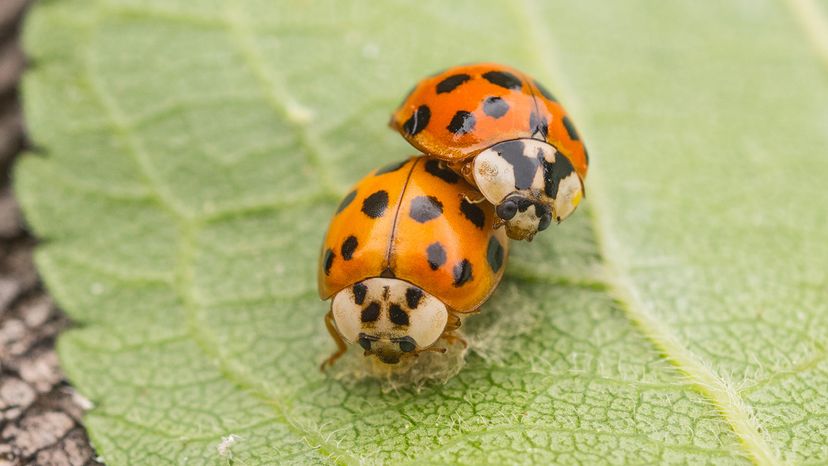
These Asian lady beetles had orange-ish wing protectors, whereas ladybugs have more of a classic red look. Jennifer Bosvert / Shutterstock

Asian lady beetles and native ladybugs share many features: small size, dome-shaped bodies, and black spots. But look closer and you’ll notice key differences.

Asian lady beetles often have a white M- or W-shaped marking behind their head. They also range in color from orange to yellow and even bright red, while native ladybugs are usually a consistent red with black spots.

Advertisement

Another clue? Check the leg joints. Asian beetles tend to have lighter-colored legs.

Why Asian Lady Beetles Are a Problem

Asian lady beetles were introduced to North America to control aphids, but they’ve outcompeted beneficial ladybugs.

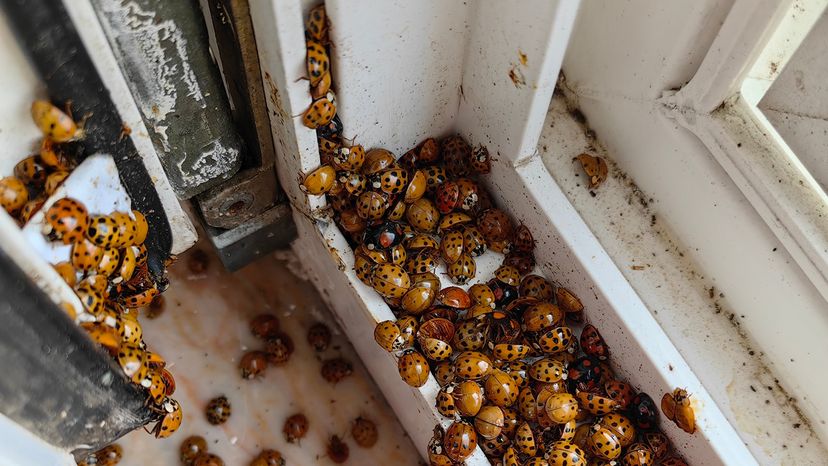
They form large groups, enter homes through cracks around doors and windows, and emit a yellow liquid when disturbed. That yellow fluid can stain surfaces and emits a foul odor when the beetles are disturbed.

Advertisement

More than just a nuisance, invasive Asian lady beetles can bite when they feel threatened. They're not poisonous to humans, but their bites can cause irritation. Worse, they can trigger allergies or asthma-like symptoms in sensitive individuals.

What Attracts Asian Lady Beetles to Your House

Asian lady beetles
Asian lady beetles tend to be nearly impossible to get rid of once an infestation hits. muroPhotographer / Shutterstock

These bugs are drawn to light-colored buildings, especially those warmed by the sun. They start to appear in large numbers in fall, just before winter sets in. Warmer temperatures signal them to find shelter, and your house might look like a great spot.

Asian lady beetle infestation tends to spike around this time, especially if your home has cracks or unsealed entry points. Once inside, they cluster near windows or ceilings, riding out the cold months until spring arrives.

Advertisement

How to Get Rid of Asian Lady Beetles

Prevention is your best bet. Seal cracks, install weather stripping, and repair screens around doors and windows. If they’ve already moved in, avoid crushing them; that smell is no joke.

Instead, use a vacuum to collect them. Dispose of the bag immediately. For minor infestations, soapy water can help. Fill a spray bottle and aim at large groups to break them up without smearing your walls.

Advertisement

Natural deterrents like citronella oil can repel them, and some homeowners use light traps. But keep in mind: Once Asian lady beetles settle in, it’s tough to evict them entirely.

Are All Ladybugs Good?

Not quite. While native species help your garden, some imported ones cause problems. Yellow ladybugs, for instance, are often Asian lady beetles in disguise.

To keep beneficial insects around, plant gardens that support native species. Trees, shrubs, and food sources like scale insects and aphids help sustain the balance.

Advertisement

And remember, ladybugs and Asian lady beetles aren’t true bugs. They’re beetles, with wings hidden under hardened covers. That armor helps them survive predators, rocks, and rough weather.

We created this article in conjunction with AI technology, then made sure it was fact-checked and edited by a HowStuffWorks editor.

Advertisement

Advertisement

Loading...