Bumble Bee vs. Carpenter Bee Stings and Flight Patterns

By: Nico Avelle  | 
bumblebee
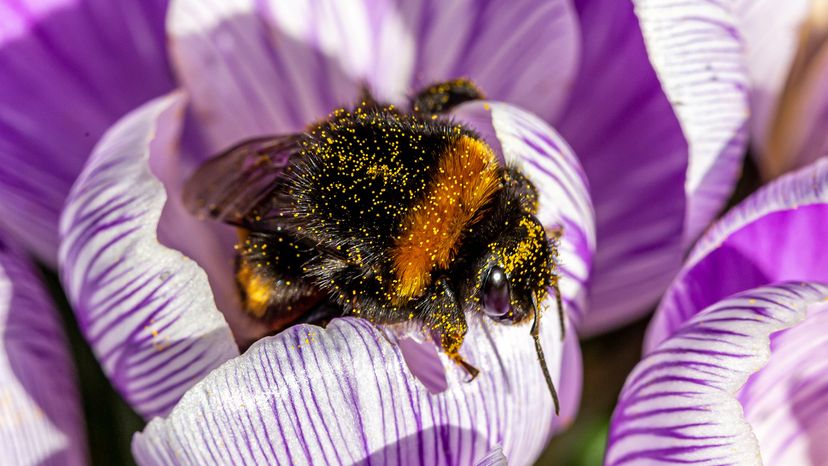
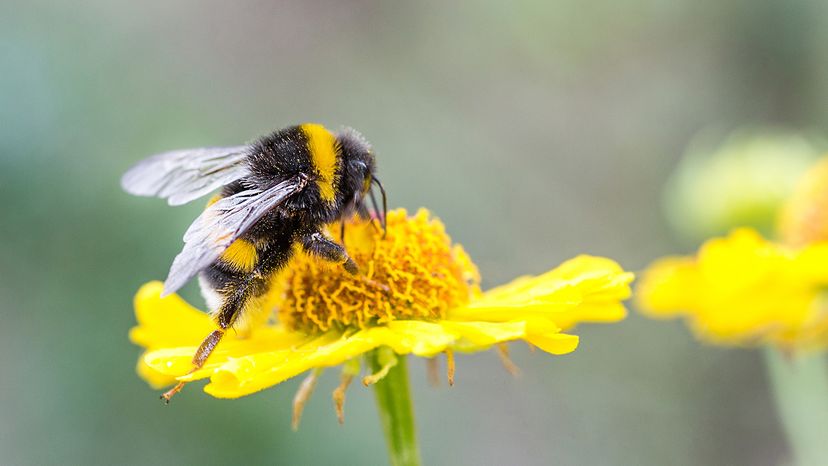
Fuzzy bumblebees have a relatively straight flying pattern, whereas carpenter bees fly a little more erratically. K-FK / Shutterstock

Bees are some of the world’s most important pollinators, but not all species behave the same. When it comes to bumble bee vs. carpenter bee species, these two often get confused.

They share yellow markings, buzzing wings, and a love of flowers, yet they differ in appearance, nesting sites, and behavior.

Advertisement
What Do Bumble Bees and Carpenter Bees Look Like?

A key difference is in their bodies. Bumble bees (also spelled as one word, "bumblebees") have hairy abdomens, making them look fuzzy and round.

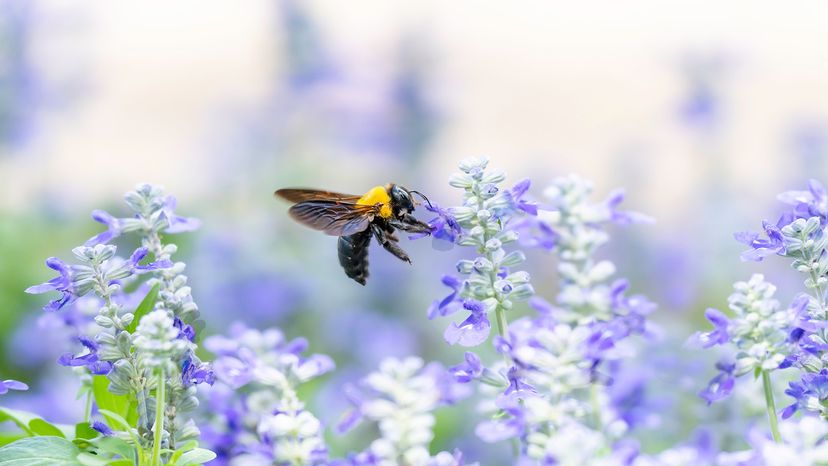
Carpenter bees, on the other hand, have bare and shiny abdomens that reflect sunlight. Female carpenter bees are especially easy to spot with their large, shiny bodies, while male carpenter bees often hover around gardens chasing humans but cannot sting.

Advertisement

Bumblebees tend to have more yellow markings, while carpenter bees are mostly black with little or no yellow on their abdomens.

Nesting and Colonies

Bumblebees are social insects. A queen bumble bee establishes colonies where female workers feed larvae, forage for nectar, and collect pollen to support the brood. These colonies can grow into the hundreds, with male bees produced later in the season to mate with new queens.

Carpenter bee
Carpenter bee.
imacoconut / Shutterstock

Carpenter bees, on the other hand, are solitary bees. Females bore into wood to create tunnels where they lay eggs and store food for their offspring.

Advertisement

While this behavior makes them great pollinators, it can be a nuisance in backyards when they damage wooden structures. Males guard the nest by darting around intruders but pose no sting threat.

Advertisement

Flight Patterns

Bumblebees fly in a straighter line compared to carpenter bee flight patterns, which are often erratic and darting. You may see carpenter bees hovering near wooden structures, while bumblebees fly directly between flowers and nesting sites.

Advertisement

Pollination

Bumblebee
Bumble bee. Melanie Hobson / Shutterstock

Both species are great pollinators. Bumble bees are especially efficient because their hairy bodies trap pollen. Carpenter bees also transfer pollen while visiting flowers, contributing to gardens and food crops.

Advertisement

Stings and Threats

Female bumble bees and female carpenter bees both have stingers, but their behavior differs. Bumblebees can sting more than once but rarely do unless threatened. Female carpenter bees may sting if provoked, but males lack stingers altogether.

Neither species poses much danger to humans, though their buzzing and chasing can cause alarm. Their real value is as pollinators that help maintain healthy gardens and ecosystems.

Advertisement

Seasonal Life

Bumblebee colonies die out in winter, leaving only young queens to survive and start new nests in spring. Carpenter bees, however, overwinter in their wood tunnels, emerging when temperatures rise to mate and lay eggs again.

We created this article in conjunction with AI technology, then made sure it was fact-checked and edited by a HowStuffWorks editor.

Advertisement

Advertisement

Loading...