The Butterfly Life Cycle: From Egg to Icon and Every Stage in Between

By: Nico Avelle  | 
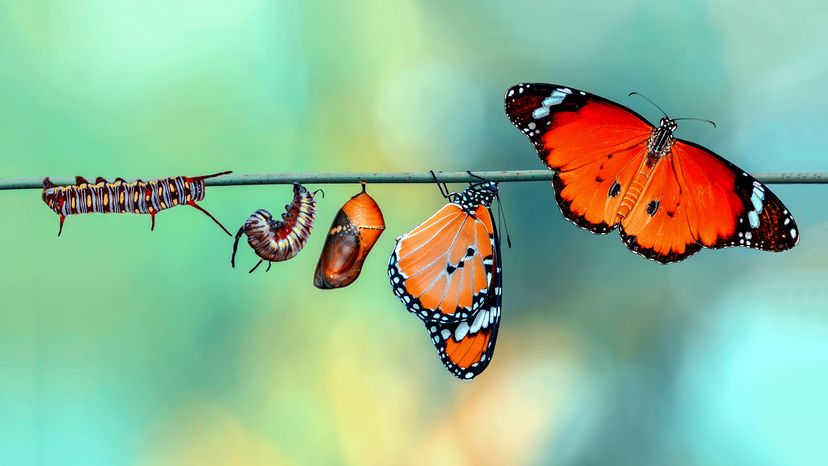
Concept transformation of Butterfly
An insect goes through a lot before becoming the beautiful butterfly you see fluttering by. Darkdiamond67 / Shutterstock

Butterflies don’t just pop out of eggs with wings and flair. The butterfly life cycle is one of the most dramatic transformations in the animal kingdom.

Called complete metamorphosis, this process reshapes the insect's entire body structure across four stages.

Advertisement

Each stage has its own function, from eating machines to flying adults. And while many species of butterflies follow the same pattern, details can vary depending on the environment, host plant and even time of year.
The Egg Stage

Everything starts with a female butterfly laying eggs, usually on a host plant that will later become food for her offspring. These eggs are often round or oval and barely the size of a pinhead. Inside, a caterpillar begins to form.

Depending on the species and temperature, the eggs hatch in a few days to a few weeks. Once they do, out comes a larva—better known as a caterpillar.

Advertisement

The Caterpillar (aka Larva)

This is the larval stage, and it's all about eating. Caterpillars feed almost nonstop, mainly on the leaves of their host plant. Their main job is to grow.

As they expand, they shed their skin multiple times because their outer covering doesn’t stretch.

Advertisement

Caterpillars often have short antennae, multiple sets of legs and soft, flexible bodies. Some, like the monarch butterfly larva, are brightly striped to warn predators they taste bad.

Pupa Stage: Hanging Upside Down

Cocoon
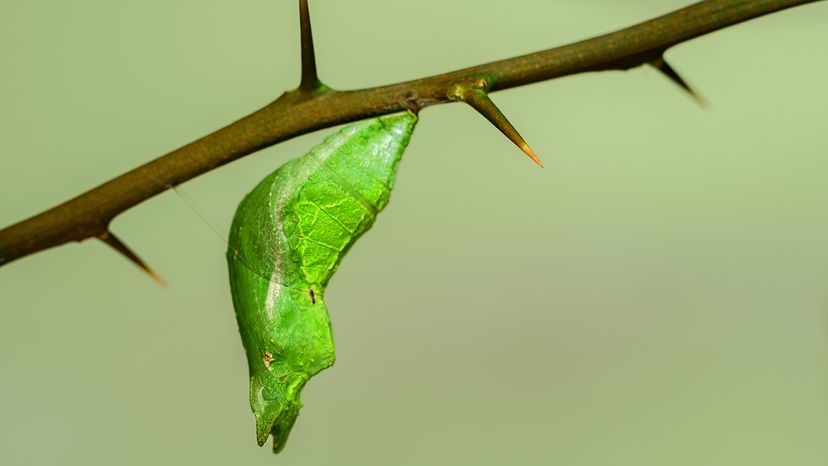
A butterfly pupa (aka caterpillar) will form a chrysalis around itself before blossoming into an adult butterfly. Nilanka Sampath / Shutterstock

When the caterpillar is big enough, it enters the pupal stage. This involves forming a chrysalis—or in some species, a silken cocoon—where major changes happen.

Unlike moths, most butterflies don’t spin full cocoons. Instead, the caterpillar often hangs upside down and sheds its final skin to reveal the pupa underneath.

Advertisement

Inside the chrysalis, the caterpillar's body breaks down into a kind of biological soup. From this, an adult butterfly forms, complete with wings, long legs and compound eyes.

Emerging as an Adult Butterfly

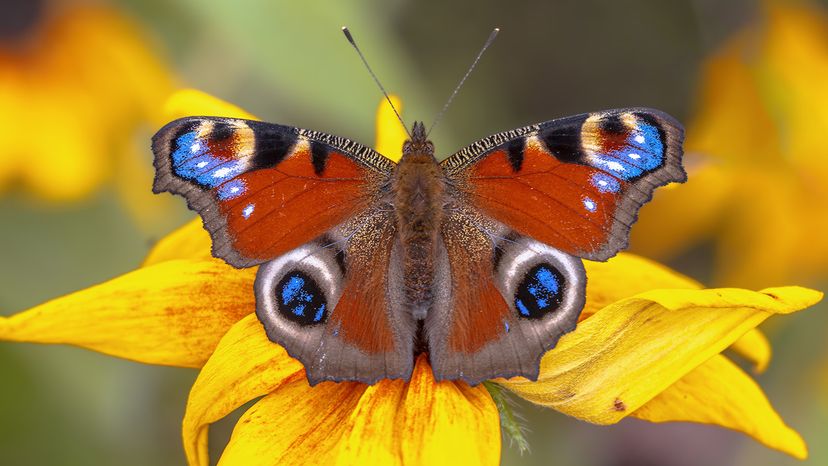
The European Peacock butterfly
This European peacock butterfly didn't always look so stunning. Rudmer Zwerver / Shutterstock

In the final adult stage, the butterfly breaks free from the chrysalis. At first, its wings are soft and crumpled. It pumps fluid into them, waits for them to dry, then takes flight. This adult stage focuses on reproduction and feeding.

Adults sip nectar from flowers using a straw-like proboscis and often live only a few weeks. Their main goal? Find a mate and continue the butterfly life. Females lay eggs and the cycle begins again.

Advertisement

Variations Across Species

Not all butterflies develop at the same pace. Some take just a month to complete the cycle; others overwinter in the pupa stage and emerge several months later. Temperature, food availability and species all play a role in timing.

And while butterflies get all the attention, moths go through the same complete metamorphosis. The biggest difference is in appearance and behavior, not in the process itself.

Advertisement

We created this article in conjunction with AI technology, then made sure it was fact-checked and edited by a HowStuffWorks editor.

Advertisement

Loading...