Carpenter Ants vs. Black Ants: Wood-munchers vs. Sugar-seekers

By: Nico Avelle  | 
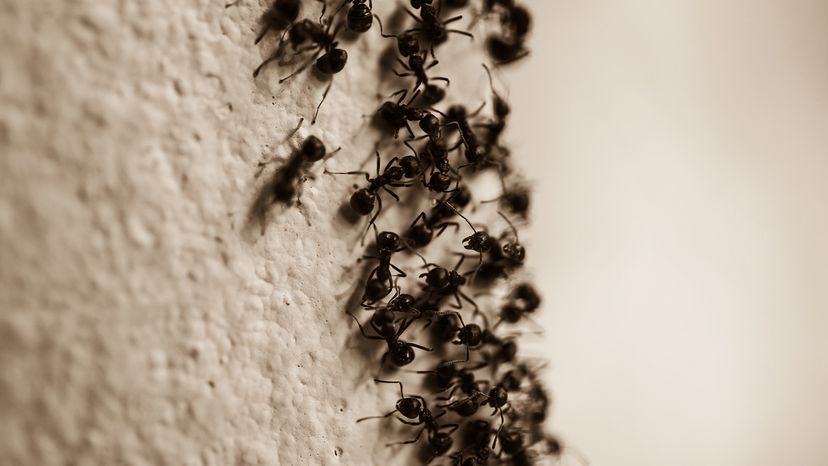
black ant
Both carpenter ants and black ants can make unwanted appearances, but their risk levels are very different. Wirestock Creators / Shutterstock

Not all ants are created equal, especially when it comes to carpenter ants vs. black ants. Though both are common ant species and household nuisances, their behavior, nesting habits, and potential for damage are quite different.

Identifying the type of ant infestation you're dealing with is crucial for effective pest management and protecting your home’s structural integrity.

Advertisement
Physical Characteristics and Behavior

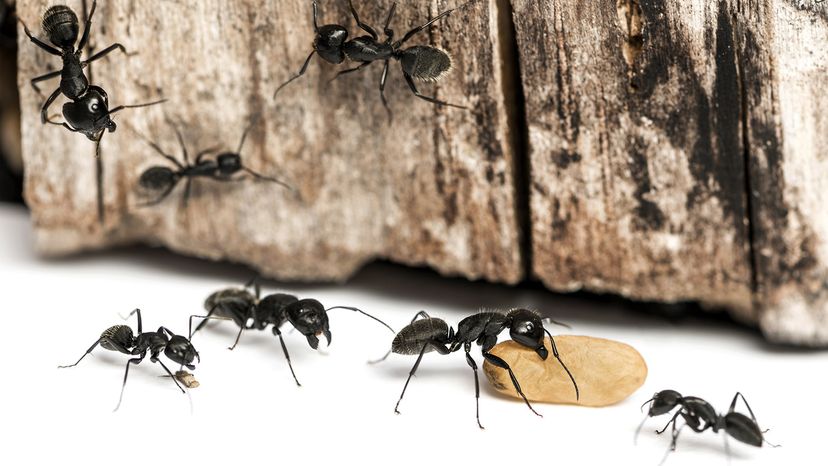
Carpenter ants are typically larger—often jet black or dark brown—with a rounded thorax and a narrow waist. They also have large mandibles and are among the largest ant species found in North America.

Black ants, aka garden ants, are usually smaller and uniformly black. They include several species, all of which are more interested in sugary foods and other insects than your home’s wooden structures.

Advertisement

Unlike carpenter ants, black ants don’t cause structural damage. They may contaminate food sources, but they won’t tunnel into beams or wall voids.

Nesting Habits

Carpenter ants
Carpenter ants. Eric Isselee / Shutterstock

Carpenter ants create nests inside wood, especially moist or decaying wood. They don’t eat wood like termites but hollow it out to create nesting galleries. Signs of a carpenter ant infestation include sawdust piles, rustling sounds in walls, and hollow sounding wood.

These ants may form satellite colonies near food sources, often in wall voids, floor joists, or solid planks of wood. Winged ants from mature colonies may also appear as part of their reproductive cycle.

Advertisement

Black ants, on the other hand, nest in soil, under rocks, or around foundations. Their nests are usually outside, but worker ants may enter homes in search of food. You may spot ant trails leading to sugary substances, pet food, or food debris.

Diet and Attraction

Carpenter ants have a more varied diet, feeding on dead insects, fruit juices, and honeydew produced by other insects. They’re attracted to protein-rich and sugary foods, especially in kitchens or near garbage.

Black ants primarily follow pheromone trails to sugar-rich substances. Food sources like fruit, sweets, and even crumbs can attract these tiny pests indoors.

Advertisement

Damage Potential

Group of carpenter ants
Carpenter ants. krylova_nlp / Shutterstock

The key difference is that carpenter ants can cause significant structural damage. Over time, their nests can weaken wooden structures, especially if left untreated.

Unlike termites, carpenter ants don’t consume wood but still compromise it by creating tunnels.

Advertisement

Black ants may be annoying, but they don’t damage your home. Their impact is more about nuisance and contamination.

Getting Rid of Ants

For Carpenter Ants

  • Look for sawdust and listen for rustling sounds.
  • Use diatomaceous earth in suspected entry points.
  • Call pest control for large colonies or visible structural damage.

For Black Ants

  • Seal food containers and clean up food debris.
  • Use bait traps near ant trails.
  • Apply DIY methods like vinegar spray or sealing entryways.

When comparing carpenter ants vs black ants, it’s important to assess the threat level. Carpenter ants pose a serious risk to your home’s structural integrity, while black ants are mainly a cleanliness concern.

Knowing the key differences helps you act quickly and choose the right solution for your ant problem.

Advertisement

We created this article in conjunction with AI technology, then made sure it was fact-checked and edited by a HowStuffWorks editor.

Advertisement

Advertisement

Loading...