5 Colorful Moth Species That Rival Butterflies' Splendor

By: Nico Avelle  | 
hummingbird moth
Did you know that an adult moth could be as stunning as a butterfly? Wirestock Creators / Shutterstock

Some moths wear camouflage, blending right into bark or leaves. Others? They're the bold dressers of the insect world. These colorful moth species aren't shy about showing off.

These flashy fliers aren't just eye candy. Their bright hues serve real survival purposes. Let’s take a look at some of the most stunning examples.

Advertisement
1. Rosy Maple Moth (Dryocampa rubicunda)

Rosy Maple Moth
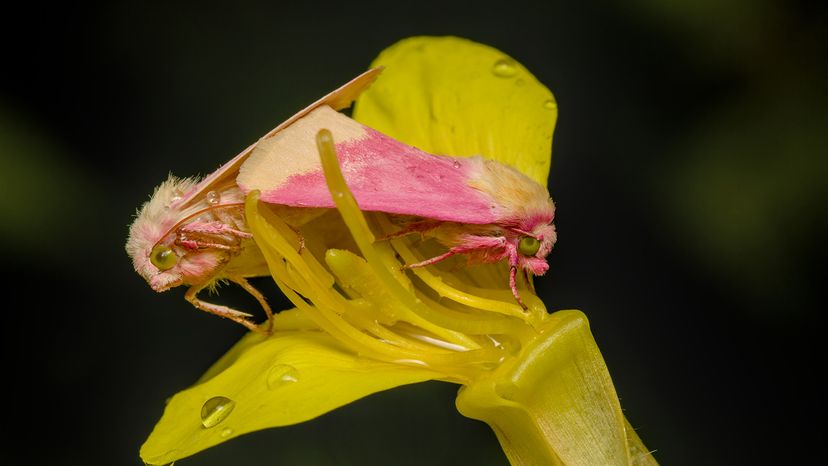
Rosy maple moth. Gerard Rivest / 500px / Getty Images/500px

This pink-and-yellow fluffball looks like a piece of bubblegum with wings. It lives in deciduous forests of eastern North America, where adults rest on trees like maples (their preferred host) and occasionally on oaks.

Its caterpillars are pale green, but they transform into boldly colored adults whose bright hues may deter predators, even though the moth itself is not actually poisonous.

Advertisement

2. Garden Tiger Moth (Arctia caja)

Garden Tiger Moth
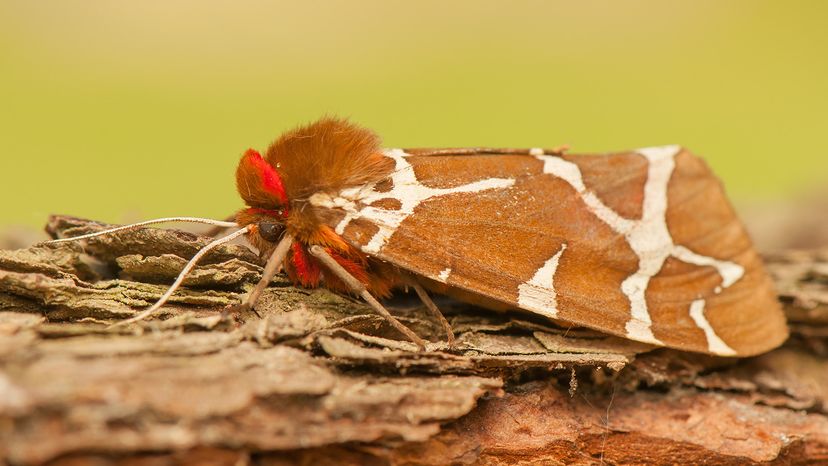
Garden tiger moth. Gucio_55 / Shutterstock

A European standout, this moth sports brown-and-white forewings and shocking red hindwings. The red flashes when it flies, startling predators like birds and bats.

Its body is covered in hair-like scales and it belongs to the Arctiinae subfamily, closely related to the Saturniidae family.

Advertisement

3. Emperor Moth (Saturnia pavonia)

Emperor Moth
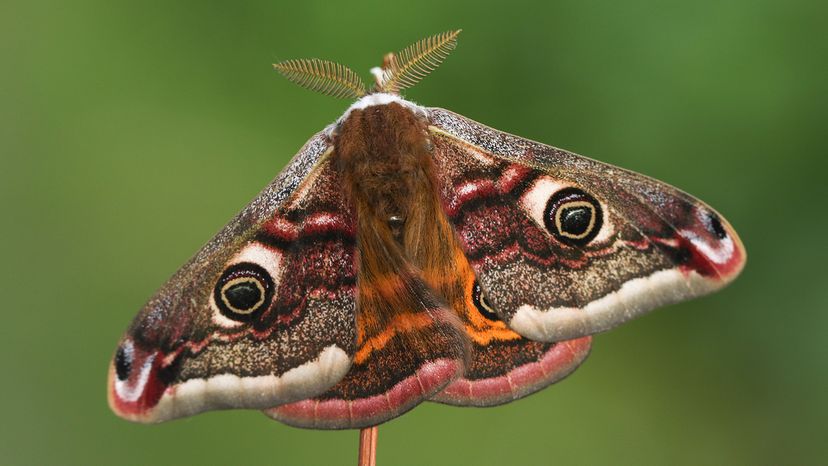
Emperor moth. sandra standbridge / Getty Images

This large-winged moth lives across Europe and Asia. Females are bigger than males and often spotted in late afternoon or dusk from mid-July to early August. Their wings have large eye spots, a classic anti-predator trick. The caterpillars feed on shrubs like heather and willows.

Advertisement

4. Hummingbird Moth (Hemaris spp.)

Hummingbird Moth
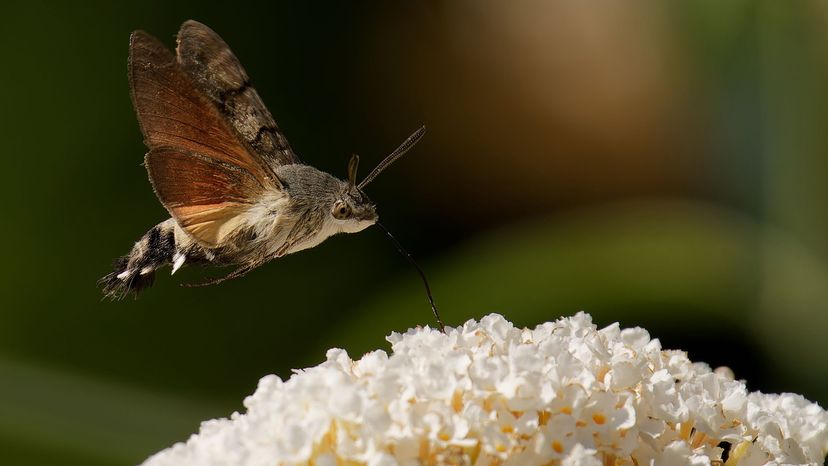
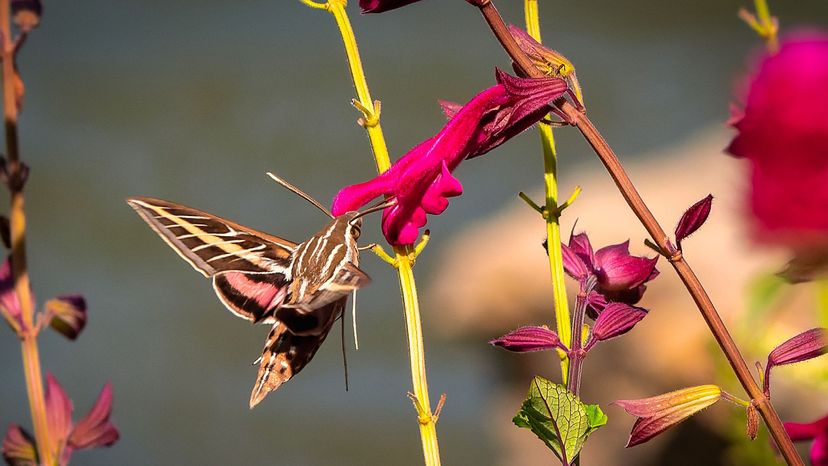
Hummingbird moth. Wirestock Creators / Shutterstock

This insect doesn’t just look like a hummingbird; it acts like one too. The moth hovers while feeding on nectar from flowers like honeysuckle and wildflowers. Its transparent wings beat fast, making a humming noise. Unlike many moths, it's active in daylight.

Advertisement

5. Madagascan Sunset Moth (Chrysiridia rhipheus)

Madagascan Sunset Moth
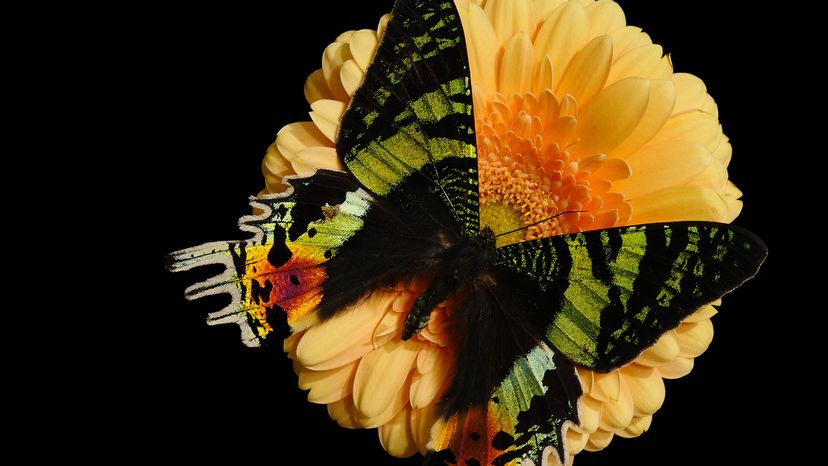
Madagascan sunset moth. Krystyna Rusiecka / Getty Images/iStockphoto

With iridescent greens, blues, and oranges, this moth rivals any butterfly in the color department. Though it looks fragile, it’s a strong flier.

Native to Madagascar, it’s part of the Uraniidae family and depends on toxic plants during its larval stage.

Advertisement

We created this article in conjunction with AI technology, then made sure it was fact-checked and edited by a HowStuffWorks editor.

Advertisement

Loading...