Fruit Flies vs. Gnats: What's Buzzing in Your Air Space?

By: Nico Avelle  | 
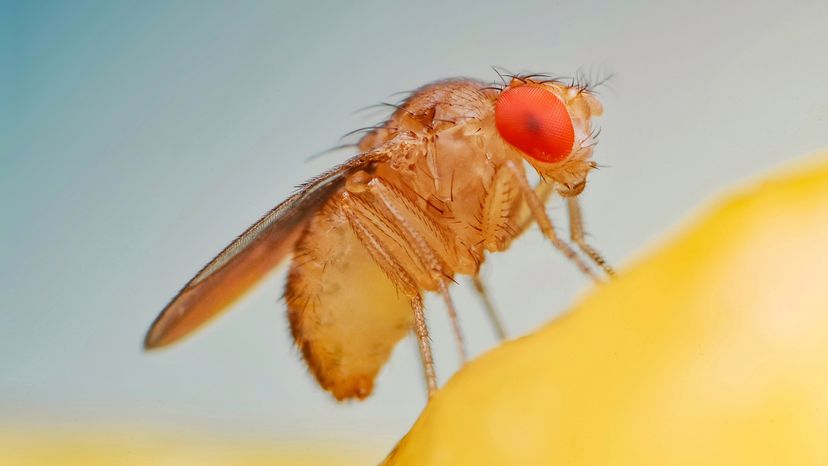
Fruit fly
Not what you want to see on your mango. Arif_Vector / Shutterstock

When tiny flying insects take over your kitchen or hover around your houseplants, you're probably facing one of the most common flying insects. But how can you tell if they're fruit flies vs. gnats?

These pests are about the same size and equally annoying, but they come from different places and require different methods to get rid of.

Advertisement

Understanding the key differences between fruit flies and gnats can help you identify what you're dealing with and—most importantly—eliminate the problem quickly.
Fruit Flies: The Sugar Addicts

Fruit flies are attracted to sugary juices and decomposing fruit. You’ll most likely find them near your fruit bowl, sink drain, garbage disposal, or any spot with fresh and decomposing fruit.

Dark-eyed fruit flies and red eyed fruit flies are the most common types. They’re technically flies, though much smaller than a house fly.

Advertisement

These bugs flitting around your kitchen are usually laying eggs on overripe fruits or other decaying organic matter. Their larvae feed on fermenting produce, and their life cycle is quick—so an infestation can explode fast if not addressed.

To prevent fruit flies:

  • Seal garbage cans.
  • Keep the fruit bowl clean.
  • Rinse recyclables.
  • Regularly clean your sink drain.

Advertisement

Gnats: The Potted Plant Pests

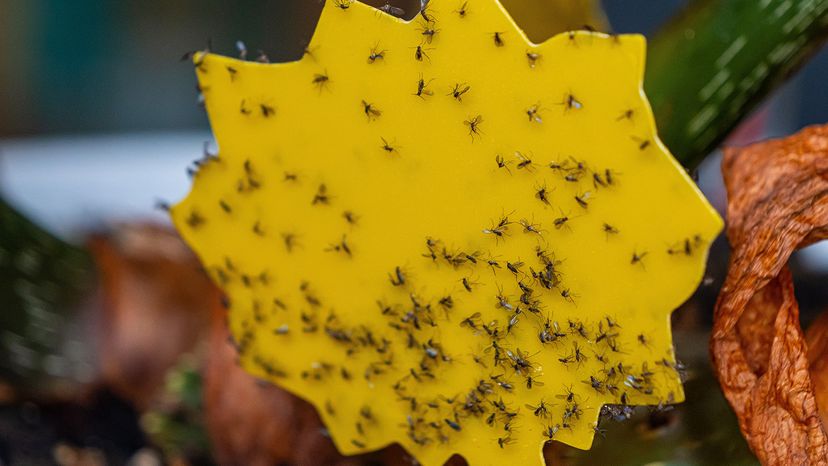
Fungus gnats
Fungus gnats. Flystock / Shutterstock

The term "gnat" broadly refers to various small flying insects, including fungus gnats, and is often used to refer to drain flies as well. Fungus gnats are common in indoor potted plants where moist soil and peat moss provide the perfect environment for fungus gnat larvae to thrive.

These tiny flies lay eggs in damp soil. The larvae feed on plant roots and decaying matter. If you notice gnats flying low near your houseplants, especially those with moist soil, you’re likely dealing with fungus gnats.

Advertisement

To control gnat infestations:

  • Let soil dry out between waterings.
  • Avoid overwatering.
  • Use sticky traps near plants.
  • Check for larvae in soil.

Advertisement

Drain Flies: The Moisture Lovers

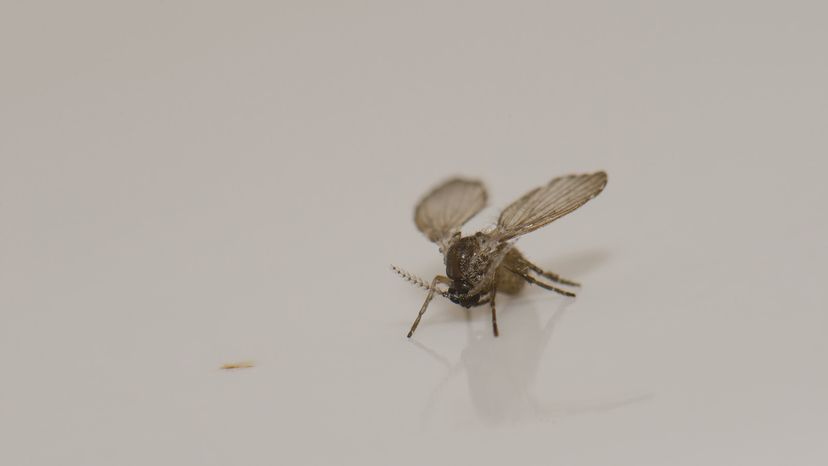
Drain fly
Drain fly. Victor Suarez Naranjo / Shutterstock

Drain flies breed inside sink drains, shower drains, or garbage disposals. These tiny flying insects prefer dark, damp environments with organic buildup.

Drain flies are easy to spot by their fuzzy wings and clumsy flight, often lingering near the bathroom or kitchen sink.

Advertisement

To reduce drain fly populations:

  • Scrub and flush drains regularly.
  • Use enzymatic drain cleaners.
  • Eliminate standing water and organic sludge.

Advertisement

Differentiating Between Gnats and Fruit Flies

  • Fruit flies: Found near fruit, wine, sugary liquids; red or dark eyes; fast flyers
  • Fungus gnats: Found near moist soil or potted plants; light colored legs; tend to hover and dangle legs
  • Drain flies: Found near drains; fuzzy wings; weak, clumsy flyers

Getting rid of these flying pests starts with identifying the source—then cleaning it up and cutting off access to food and breeding sites. With a little effort, you can banish these bugs from your home and breathe easier.

We created this article in conjunction with AI technology, then made sure it was fact-checked and edited by a HowStuffWorks editor.

Advertisement

Advertisement

Loading...