Grasshopper vs. Cricket Sounds, Anatomy, and Habitats

By: Nico Avelle  | 
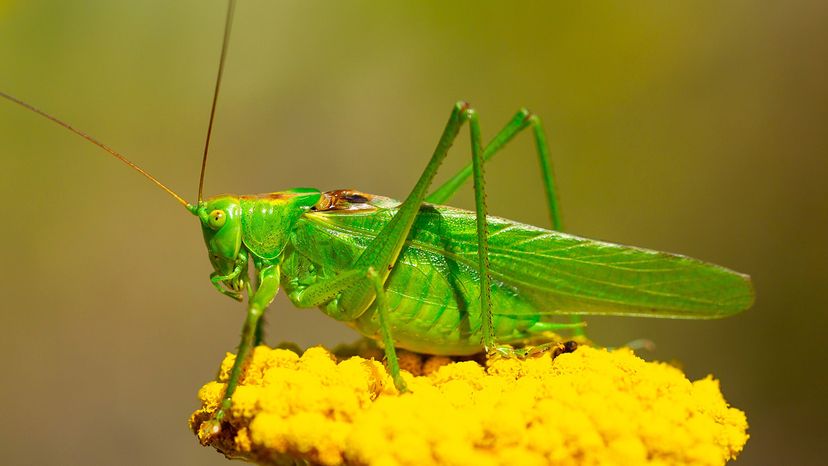
Green grasshopper
Beyond at-a-glance appearance, grasshoppers and crickets are actually quite different. Vera Larina / Shutterstock

Grasshoppers and crickets often get lumped together. After all, they both hop, chirp, and love grass.

But grasshopper vs. cricket identification isn't just a toss-up of lookalikes. These two insects come from the same order, Orthoptera, but split into different suborders and live wildly different lives.

Advertisement

Grasshoppers fall under the suborder Caelifera. Crickets, including mole crickets and bush crickets, belong to the suborder Ensifera. That split sets the stage for some big differences in behavior, body structure, and sound-making skills.
Appearance and Anatomy

Grasshoppers and crickets both have chewing mouthparts and three pairs of legs. Most crickets have slender front legs like grasshoppers; only mole crickets have notably thick, shovel-like forelegs for digging.

Crickets are darker and more compact, with very long antennae. The oak bush cricket and great green bush cricket are classic examples of cricket diversity, with the latter resembling a leaf and the former blending easily into bark.

Advertisement

Grasshoppers and crickets both have chewing mouthparts and three pairs of legs, but crickets tend to have chunkier front legs. Grasshoppers have long hind legs and are known for their powerful jumps. These legs can also be used to produce sounds in some species.

Legs, Wings, and Sound Production

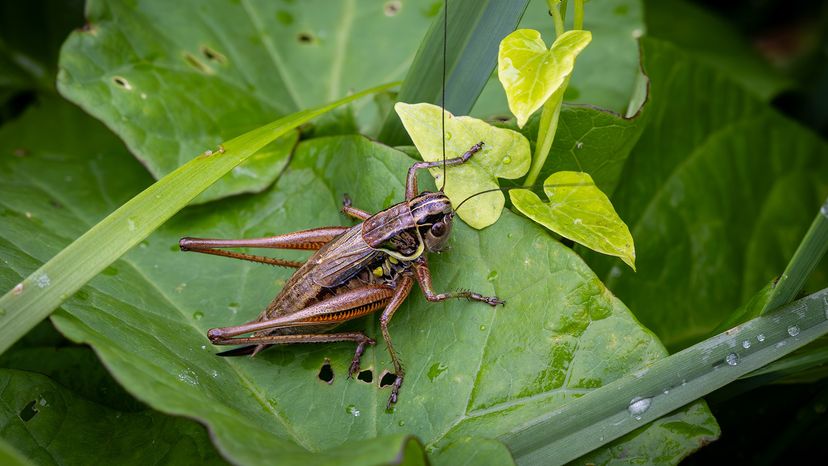
Roesel's bush-cricket
Small insects like this Roesel's bush-cricket are simply fascinating. Melanie Hobson / Shutterstock

Grasshoppers have long back legs built for leaping and can fly with their large back wings. Crickets also have long hind legs but aren't quite as acrobatic. Still, many crickets jump well and some can fly short distances.

Crickets produce sounds by rubbing their front wings together, a technique known as tegminal stridulation. These sounds serve as calling songs to attract mates.

Advertisement

Field crickets and tree crickets are especially known for their chirping noise. Sound production is most active at night, when crickets tend to sing.

Grasshoppers produce sounds differently—by rubbing their hind legs against their wings. This kind of stridulation is common among grasshopper species like the meadow grasshopper and migratory locust.

Advertisement

Habitat and Diet

Grasshoppers and crickets often occupy the same habitat, such as meadows, forests, and gardens. But grasshoppers tend to be diurnal (active during the day) and primarily herbivores. They feed on leaves, stems, and grasses.

Crickets tend to be nocturnal and have more varied diets. Many crickets eat plants, fungi, and even other insects. Wood crickets, for instance, forage at night under leaf litter. Cave crickets live in cool, damp environments and are often wingless.

Advertisement

Mole crickets are unique: They burrow underground and use their front legs like shovels. Their family, Gryllotalpidae, is distinct from most crickets and grasshoppers.

Classification and Key Differences

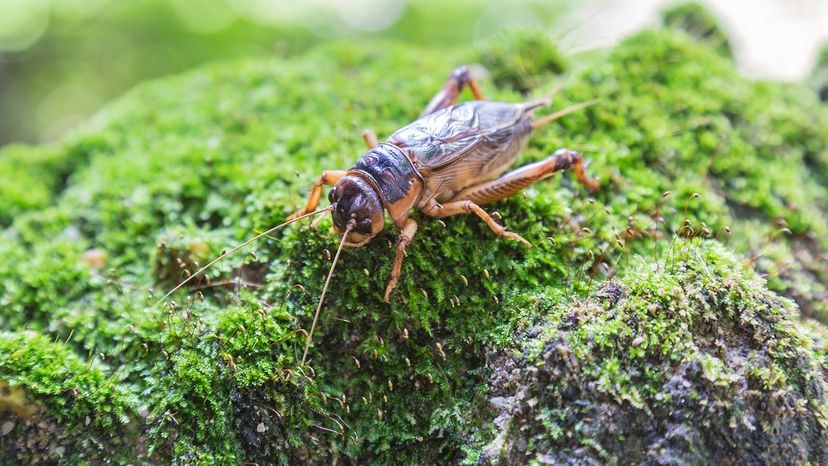
Cricket
Not all crickets sing—only the males. Jianghaistudio / Shutterstock

Grasshoppers belong to the family Acrididae, commonly known as short-horned grasshoppers due to their short antennae. Locusts are a migratory phase of some grasshopper species, not a separate insect.

Crickets belong to various families: Gryllidae (true crickets), Gryllotalpidae (mole crickets), and Tettigoniidae (bush crickets). Bush crickets tend to be large, with leaf-like wings and long antennae. Many crickets and bush crickets also exhibit sound-producing behavior to attract mates.

Advertisement

A major difference between the two insects is in their antennae: Grasshoppers have short ones, while crickets have very long antennae. Their sound-producing methods, active periods, and diets also differ significantly.

Ears, Senses, and Reproduction

Crickets have a cool trait: ears located on their legs. Crickets have their hearing organs on their front legs, and those little ears help detect sound vibrations, especially calling songs.

Grasshoppers, meanwhile have tympanal organs on their abdomen.

Advertisement

Their life cycle includes egg, nymph, and adult stages. This process, called incomplete metamorphosis, means there’s no pupal stage. All grasshoppers and crickets follow this same developmental pattern (incomplete metamorphosis from egg to nymph to adult, with no pupal stage).

The way crickets tend to behave—nocturnally and omnivorously—sets them apart from how grasshoppers tend to operate.

We created this article in conjunction with AI technology, then made sure it was fact-checked and edited by a HowStuffWorks editor.

Advertisement

Advertisement

Loading...