Lightning Bug vs. Firefly: Regional Names for the Same Species

By: Nico Avelle  | 
firefly
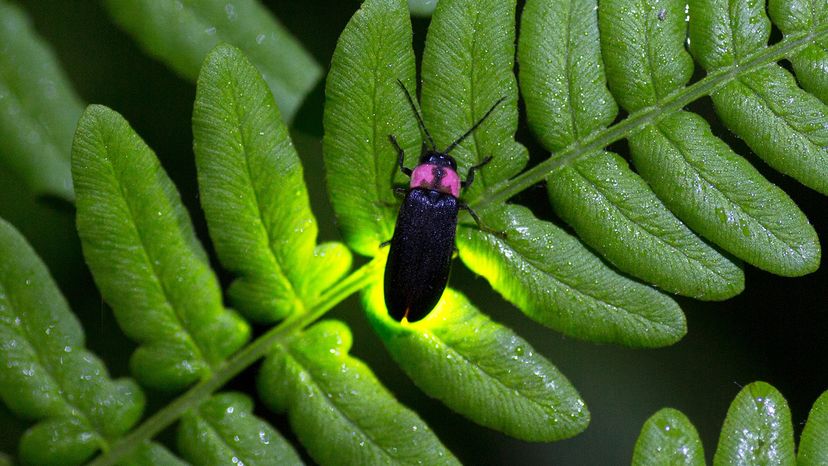
Meteorological researcher Jason Keeler has an interesting theory about why we have two different names for the same insect. Japans Fireworks / Shutterstock

They glow in the dark, they flit through summer evenings, and they’ve filled countless childhood mason jars. But why do some people call the glimmering flyer a lightning bug vs. firefly?

Here’s the secret: There isn’t one.

Advertisement

These glowing insects are the same creature, and the difference lies in an intriguing dialect of American English.
Same Bug, Different Name

Lightning bugs and fireflies both refer to soft-bodied beetles from the Lampyridae family. Despite their name, they are neither true bugs nor true flies.

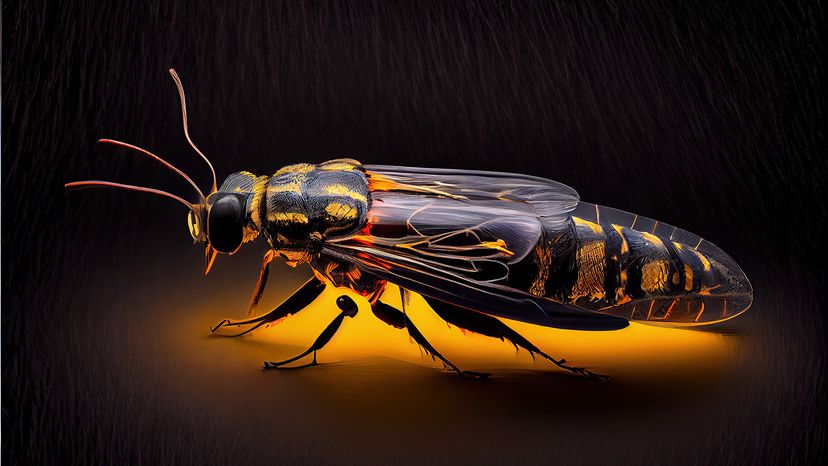
These flying beetles use a chemical reaction called bioluminescence to produce light and attract mates. The light is produced in their abdomen through the a chemical reaction involving an enzyme and oxygen, creating that familiar green or yellow glow.

Advertisement

Whether you call them lightning bugs or fireflies depends largely on where you live. "Firefly" is more common on the East Coast and in the West, while "lightning bug" dominates in the South and Midwest. So each name doesn't refer to its own species; they're just linguistic quirks of American English.

What Makes Lightning Bugs and Fireflies Glow?

Firefly
Firefly. Melissa Grace / Shutterstock

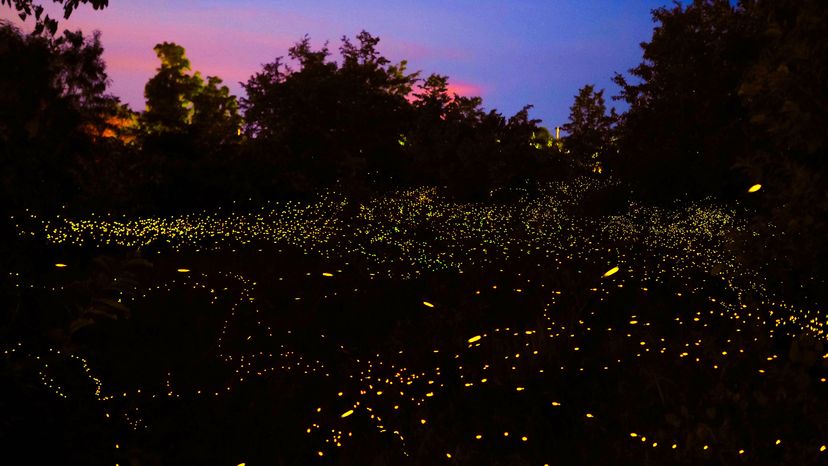
The glow of adult fireflies and lightning bugs isn’t just for show. These insects use flash patterns to find mates and ward off predators. Each firefly species has its own unique rhythm, allowing males and females to find each other in the dark.

The glow is most visible during warm summer nights in wooded areas, fields, or backyards—especially where light pollution is low. Eggs hatch into larvae, which also glow faintly to deter predators. These larvae often eat other invertebrates, like snails.

Advertisement

Are Fireflies in Danger?

Yes, habitat loss and light pollution are threatening many species of fireflies. Their glow is less visible in brightly lit areas, which disrupts mating signals and reduces reproduction rates. While lightning strikes and wildfires are not major threats, human development is having a clear impact.

According to meteorologist Jason Keeler, regions where people say "lightning bug" often have frequent lightning strikes, while those favoring "firefly" experience more wildfires. This correlation may be coincidental, and experts say more research is needed to confirm any link.

Advertisement

The Name Debate

Fireflies flying in the forest
Fireflies. thawatchai_bandit / Shutterstock

This debate isn’t scientific; it’s linguistic.

"Lightning bug" and "firefly" are terms used interchangeably in the U.S., with "firefly" being more common in books and scientific references. But in conversation, region determines which term you’re more likely to hear.

Advertisement

So whether you’re on the porch in the South watching lightning bugs or in the woods out West chasing fireflies, you’re referring to the same glowing insect. And no, they have nothing to do with fire or lightning in the literal sense.

We created this article in conjunction with AI technology, then made sure it was fact-checked and edited by a HowStuffWorks editor.

Advertisement

Advertisement

Loading...