Red Admiral Butterfly: Found All the Way from Europe to Hawaii

By: Nico Avelle  | 
red admiral butterfly
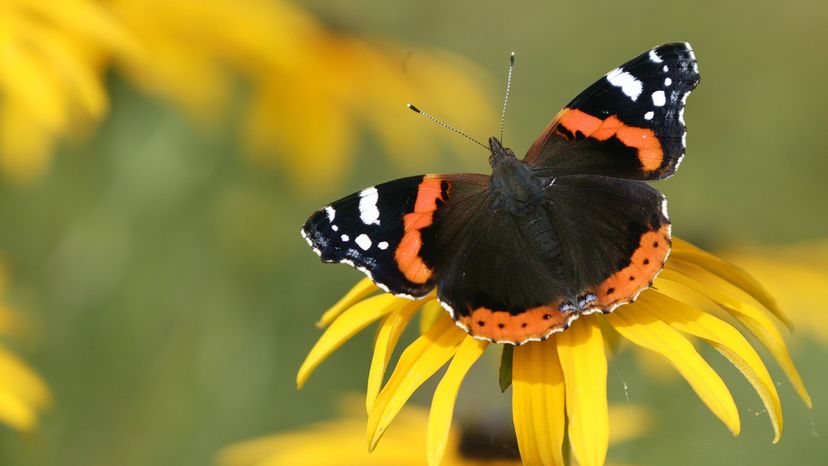
The red admiral is recognizable by its black wings, orange stripes, and white spots. AtWaG / Getty Images

If you've ever taken a springtime stroll through a park or garden, you might have seen a fast, darting flash of orange and black zip past your face. That bold little flier is likely the red admiral butterfly, a widespread member of the Vanessa genus.

Unlike some butterflies that stick to flower patches, red admirals show up in unusual places. You’ll spot them sunning themselves on sidewalks, chasing rivals through woodland edges, or sipping tree sap.

Advertisement

These butterflies are active early in spring and keep flying through late autumn in warmer climates.
What Is the Red Admiral Butterfly?

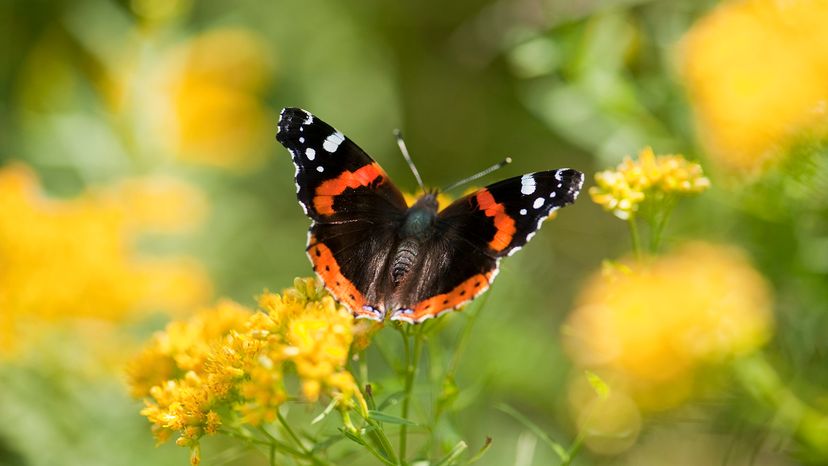
The red admiral (Vanessa atalanta) is a medium-sized butterfly known for its striking coloration: black wings marked with orange bands and white subapical spots. The underside is a camouflaging mix of brown and black, perfect for blending in when the wings are closed.

Members of the genus Vanessa, red admirals are closely related to species like the Australian painted lady and West Coast lady.

Advertisement

Where Do Red Admirals Live?

Red admirals can be found across Europe, Asia, North Africa, some Caribbean islands, Hawaii, and much of North America, including the southern states.

In the United States, they’re especially abundant in the spring and summer, with two broods each year. The first wave of adults appears around March or April and the second emerges in late spring or early summer.

Advertisement

Migration and Distribution

While some red admirals stay put, others migrate. In regions with colder winters, they move south in response to dropping temperatures.

The timing of their migration is closely tied to weather conditions. Warmer winters may cause them to appear earlier in the spring, especially in southern states.

Advertisement

This migration pattern isn't unique to red admirals. Painted lady butterflies and American lady butterflies, both members of the Vanessa genus, also exhibit migratory behavior. One study by Iowa State University notes how changes in climate can affect butterfly migration and offspring survival.

Red admirals are also studied for their role in butterfly conservation. Their presence or absence can be a useful indicator of environmental change. Monitoring their numbers helps scientists track the health of local ecosystems.

Advertisement

Life Cycle and Host Plants

Stinging nettles
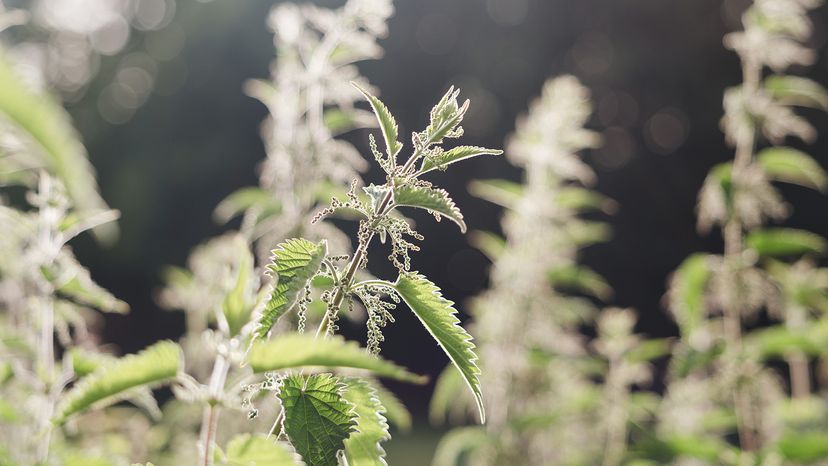
This butterfly species lays its eggs on stinging nettles. AL Hedderly / Getty Images

Red admirals lay their eggs on plants in the nettle family, especially stinging nettles. These host plants provide food for their larvae (caterpillars), which feed on the leaves before pupating. After metamorphosis, adult butterflies emerge, ready to chase territory and seek mates.

Males are known for their territorial behavior. They often perch on a sunny leaf or tree branch and dart out to chase away other butterflies or even humans. This territorial behavior—typically observed in late afternoon before roosting—helps male red admirals intercept females and defend their turf.

Advertisement

Like other butterflies, red admirals rely on nectar sources, including flowers and overripe fruit. But they’re not picky eaters; they’ll also feed on tree sap and even bird droppings as a nutrient source.

Their adaptability helps them thrive in gardens, meadows and woodland edges.

Advertisement

How to Spot and Support Red Admirals

Red admiral butterfly
You can spot a red admiral butterfly in early spring, when temperatures begin to rise. DebraLee Wiseberg / Getty Images

Red admirals are easy to spot thanks to their active flight and vivid coloration. Look for them on warm mornings, especially in April or October. They frequently visit gardens with flowering plants, so adding nectar-rich flowers like asters or milkweed to your yard can help attract them.

To support their life cycle, consider growing nettles or leaving a wild corner in your garden. Since red admiral caterpillars depend on nettles, these plants are crucial for their survival. Conservation groups often highlight the importance of preserving native host plants to protect butterfly species.

Advertisement

We created this article in conjunction with AI technology, then made sure it was fact-checked and edited by a HowStuffWorks editor.

Advertisement

Loading...