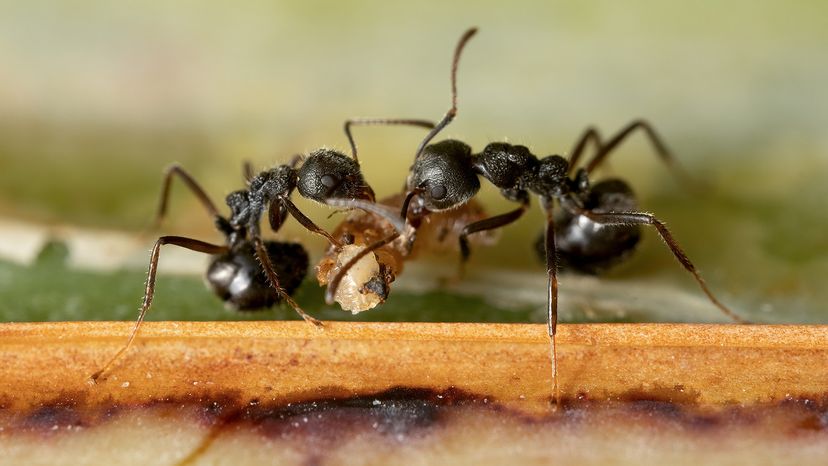
12 Types of Ants Spoiling a Picnic Near You

By: Nico Avelle  | 
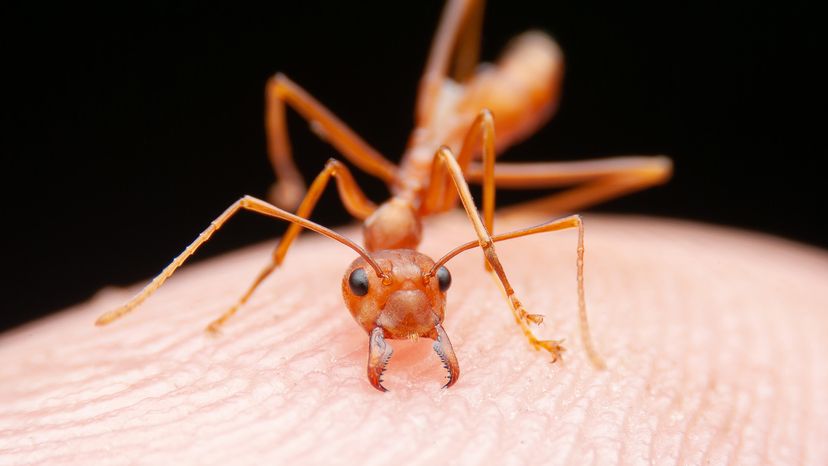
red ant
Ouch. nokkaew / Shutterstock

Ants are among the most common insects on Earth, and they’re more diverse than you might think. With over 12,000 known ant species, these social insects vary widely in behavior, nesting habits, and impact on homes and gardens.

If you're dealing with an ant infestation or just curious about the most common types, here’s a look at some of the most frequently encountered types of ants.

Advertisement
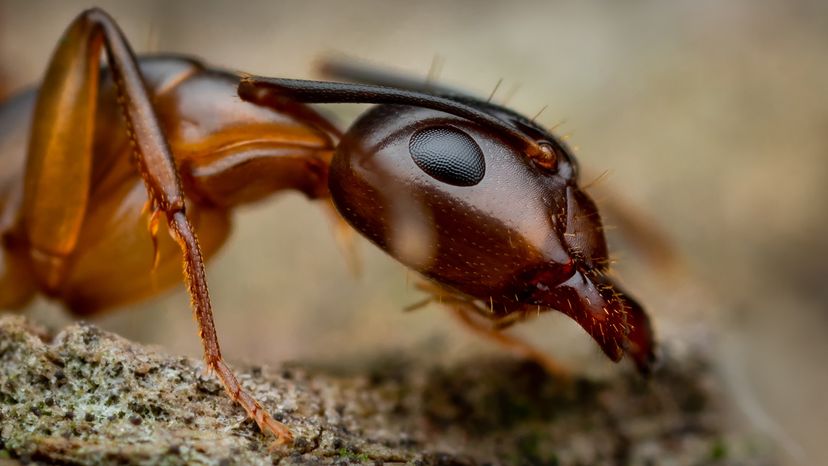
1. Carpenter Ants

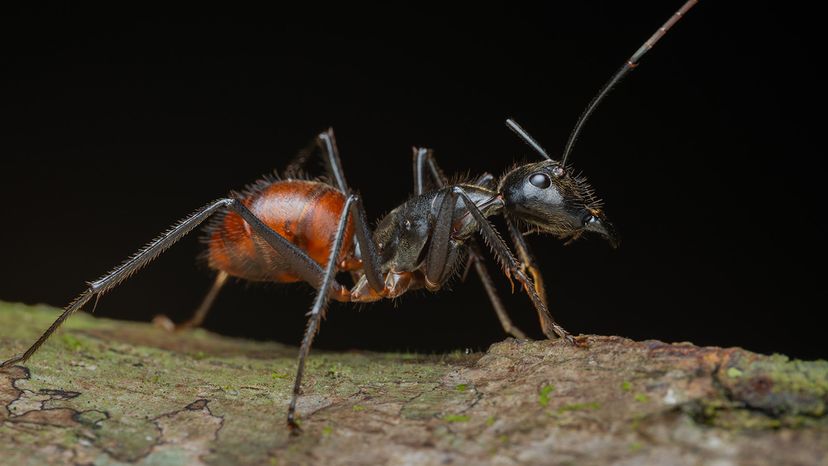
Carpenter ant
Carpenter ant. Alen thien / Shutterstock

Carpenter ants are larger ants, usually dark brown to black, and are known for nesting in decaying wood or tree stumps. Unlike termites, they don’t eat wood, but they do excavate it to build ant colonies.

These ants can cause structural damage if left unchecked. Control carpenter ants with bait stations or call a pest control professional.

Advertisement

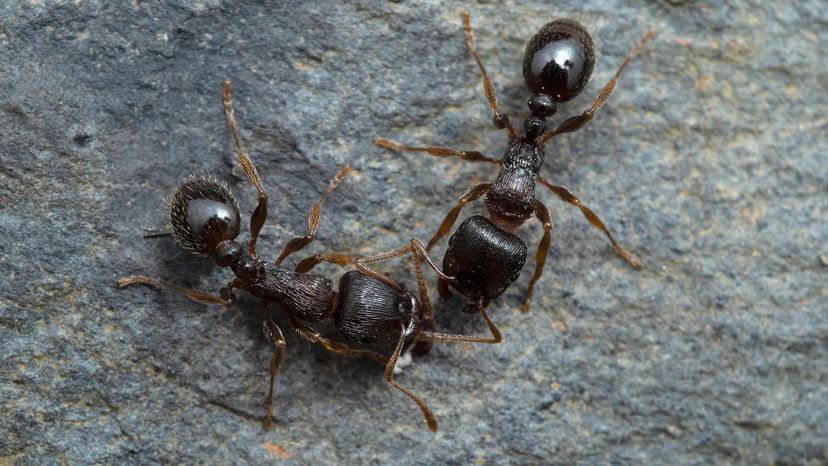
2. Pavement Ants

Pavement ants
Pavement ants. Ernie Cooper / Shutterstock

Pavement ants are small and commonly found under sidewalks, driveways, and patios. They can also enter homes in search of food and often nest in wall voids.

Identifying ants like these involves looking for slow-moving worker ants near food containers or window frames. Their dark brown color and trailing behavior are giveaways.

Advertisement

3. Odorous House Ants

Odorous house ants
Odorous house ants. The Camera Dad / Shutterstock

These ants release a rotten coconut smell when crushed, hence their name. Odorous house ants often nest indoors near heat and moisture sources.

Control odorous house ants by sealing food sources and using ant baits. Their colonies can include multiple queens, which makes ant control a bit more challenging.

Advertisement

4. Pharaoh Ants

Pharaoh ant
Pharaoh ant. Suman_Ghosh / Shutterstock

Pharaoh ants are tiny, yellowish ants that form large colonies with one or more queens. They're commonly found in hospitals, apartment buildings, and homes, nesting in hidden spaces like wall voids.

Because their colonies can split when stressed, using bait is better than sprays for effective control.

Advertisement

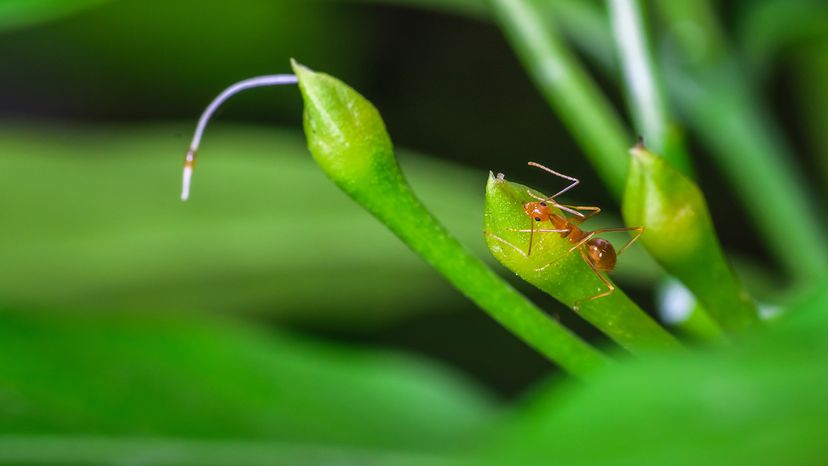
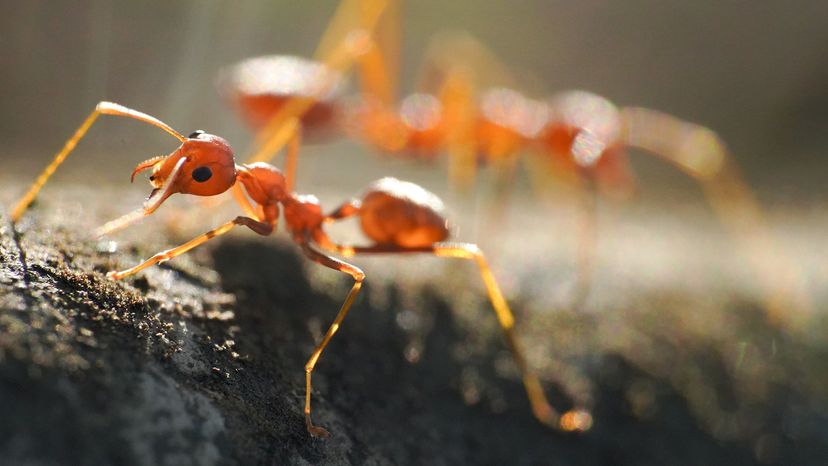
5. Fire Ants

Fire ants
Fire ants. Dafi Yasin Addafi / Shutterstock

Known for their painful sting, fire ants are aggressive and build large nests in open areas like lawns and fields. These red or reddish-brown ants are a major pest in parts of the southern U.S. and Central and South America.

Their nests can house large colonies, and stings can cause allergic reactions. Professional pest control service is often needed for serious infestations.

Advertisement

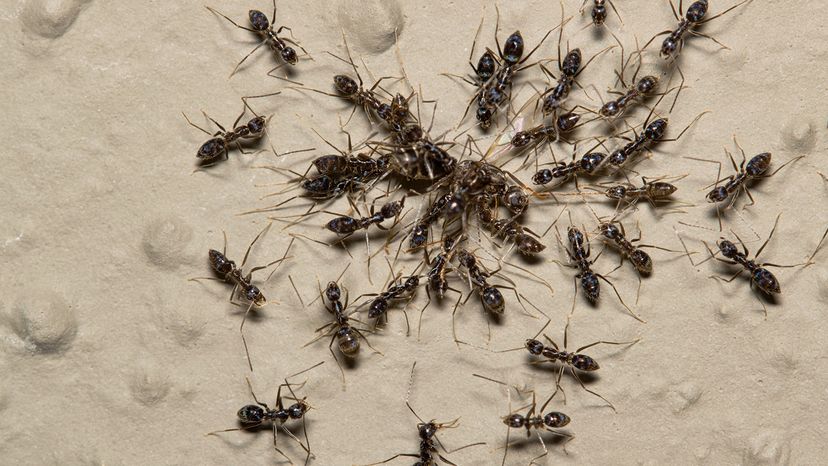
6. Argentine Ants

Argentine ant
Argentine ant. Javier Chiavone / Shutterstock

Argentine ants form supercolonies and are known for displacing native ant species. They are dark brown and often trail in large numbers.

Their ability to nest in various environments—from tree limbs to wall voids—makes them particularly invasive. Use bait to target worker ants and queens.

Advertisement

7. Leaf Cutter Ants

Leaf cutter ants
Leaf cutter ants. Andreas Vogel / Shutterstock

Found primarily in Central and South America, leaf cutter ants are famous for their farming behavior. Worker ants cut leaves and carry them back to their nest to grow fungus, which serves as their food source.

These ants are notable for their highly complex social systems, particularly their advanced fungus-farming behavior.

Advertisement

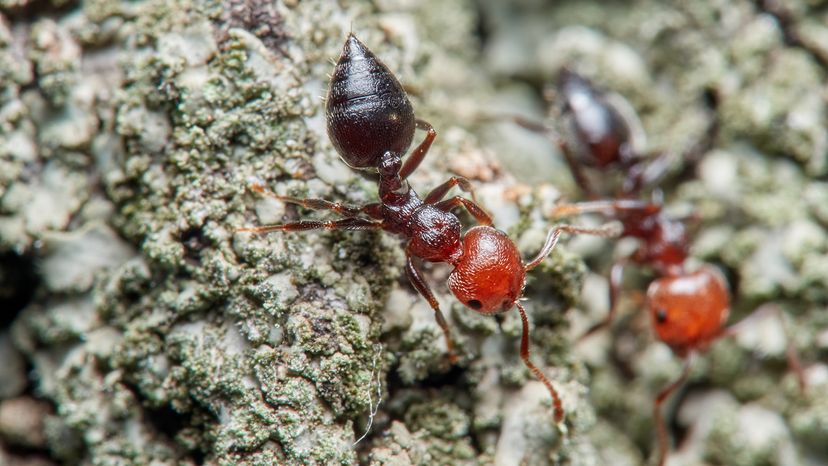
8. Acrobat Ants

Acrobat ant
Acrobat ant. Macronatura.es / Shutterstock

Named for their ability to raise their abdomen over their heads when disturbed, acrobat ants often nest in rotting wood or tree branches. They’re small, heart-shaped ants that can bite when threatened. Like other ants, they are attracted to food containers and sweet substances.

Advertisement

9. Crazy Ants

Crazy ants
Crazy ants. Brett Hondow / Shutterstock

Crazy ants get their name from their erratic, rapid movements. They are reddish-brown to black and often nest in wall voids, leaf litter, or under stones.

Their colonies can contain multiple queens, and they’re known for displacing fire ants in some regions.

Advertisement

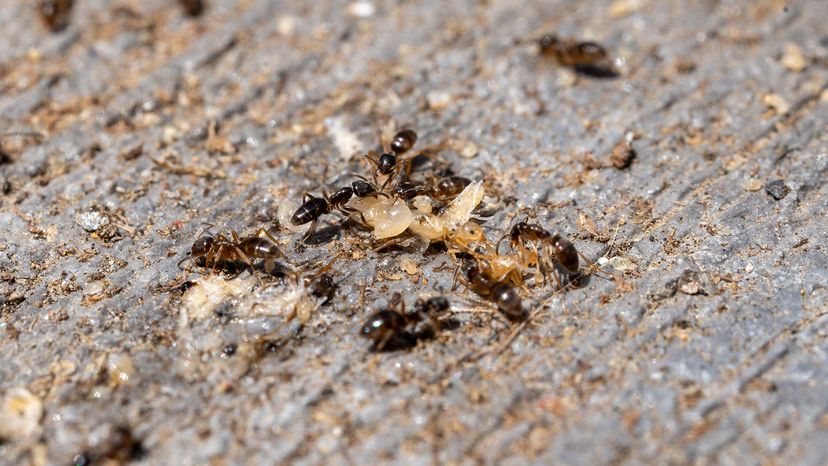
10. Thief Ants

Thief ant
Thief ant. Vinicius R. Souza / Shutterstock

These tiny ants often live near other ant colonies, stealing food and brood—hence the name. They’re sometimes called grease ants because they’re attracted to greasy food. Thief ants can be difficult to spot and often require bait-based pest control.

11. Field Ants

Often mistaken for carpenter ants due to their size, field ants build mounds in lawns and fields. They don’t nest in wood and don’t pose a risk of structural damage. Their coloration varies from black to reddish brown.

12. Black Ants

Black ants
Black ants. Cherdchai Chaivimol / Shutterstock

Black ants, sometimes used as a catchall term, are usually small, dark ants found indoors and outdoors. Most ants referred to as black ants are either odorous house ants or pavement ants. Proper identification is essential for effective treatment.

We created this article in conjunction with AI technology, then made sure it was fact-checked and edited by a HowStuffWorks editor.

Advertisement

Loading...