10 Types of Moths: Scratching the Surface of 160K Moth Species

By: Nico Avelle  | 
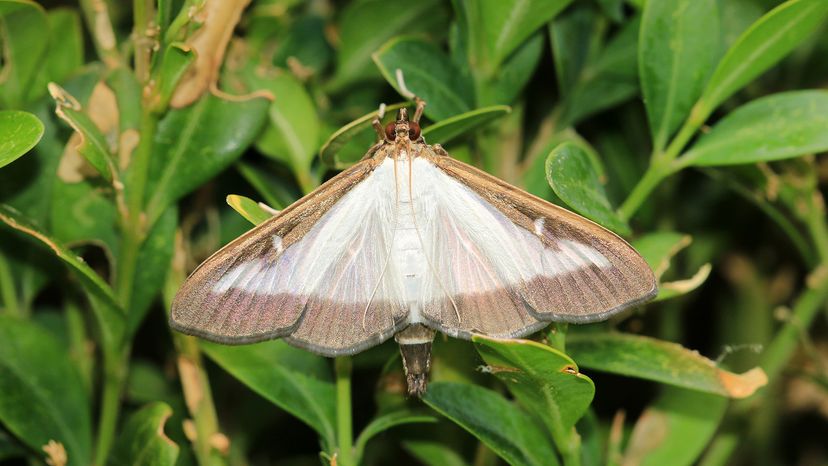
box tree moth
Moths have all sorts of different qualities. Some adult moths produce silk, while others lack mouths. Eileen Kumpf / Shutterstock

Moths often live in the shadow of their flashier cousins, the butterflies, but the many types of moths are surprisingly diverse and intriguing.

With over 160,000 moth species worldwide, they pollinate plants, feed ecosystems, and even signal environmental changes.

Advertisement
1. Luna Moth (Actias luna)

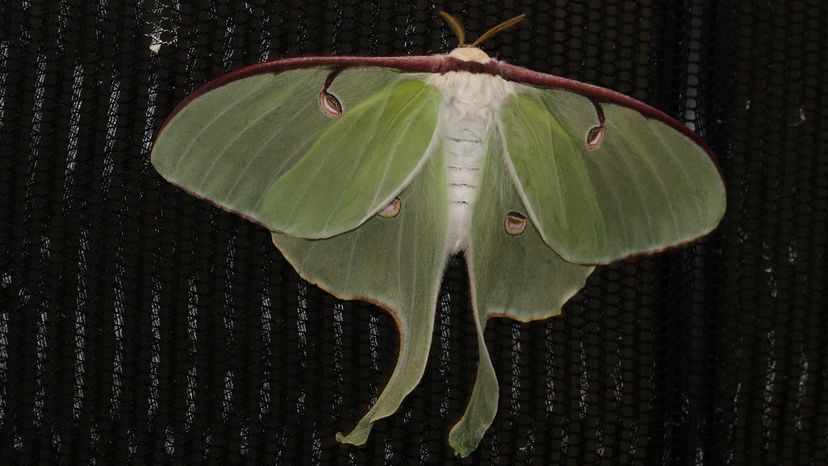
Luna moth
Luna moth. thomascanss / Shutterstock

This striking green moth is native to eastern North America. Luna moths have large wings and long tails, but no mouth parts in the adult stage, meaning they live only a few days to a week. Their larvae eat a variety of plant species, including hickory and walnut trees.

Advertisement

2. Atlas Moths and Comet Moths

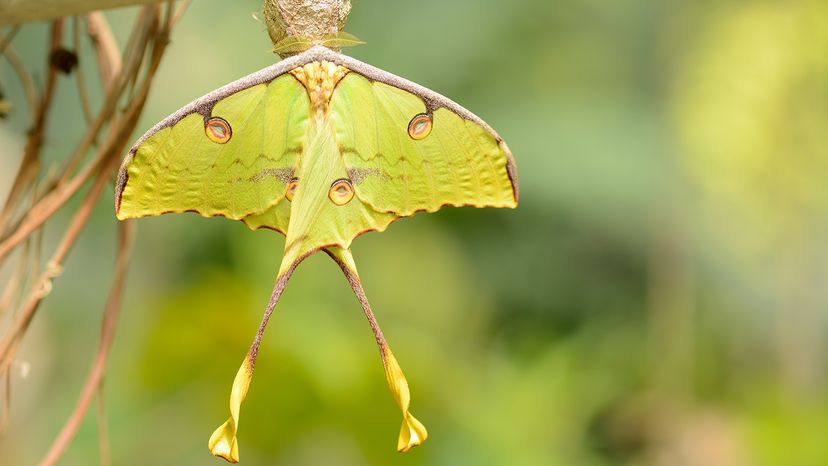
Comet moth
Comet moth. AlessandroZocc / Shutterstock

Among the largest moths in the world, the Atlas moth of Southeast Asia and the comet moth of Madagascar both flaunt massive wings and vibrant colors.

The Madagascan sunset moth, known for its iridescent hues, is often mistaken for a butterfly.

Advertisement

3. Hawk Moths and Sphinx Moths

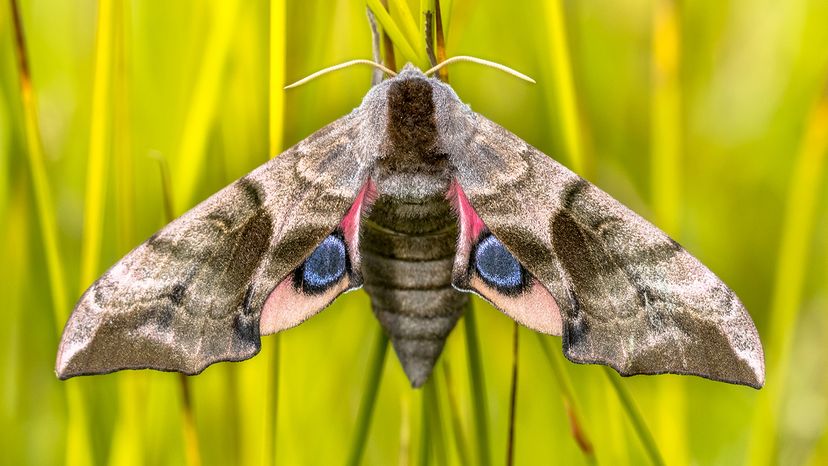
Hawk moth
Hawk moth. Rudmer Zwerver / Shutterstock

These fast flyers include the oleander hawk moth and the white-lined sphinx moth (Hyles lineata). Known for darting flight and feeding on flowering plants, many hawk moths have long proboscises to access nectar. Some, like the tobacco hornworm, become major pests in gardens.

Advertisement

4. Silk Moths (Bombyx mori and Relatives)

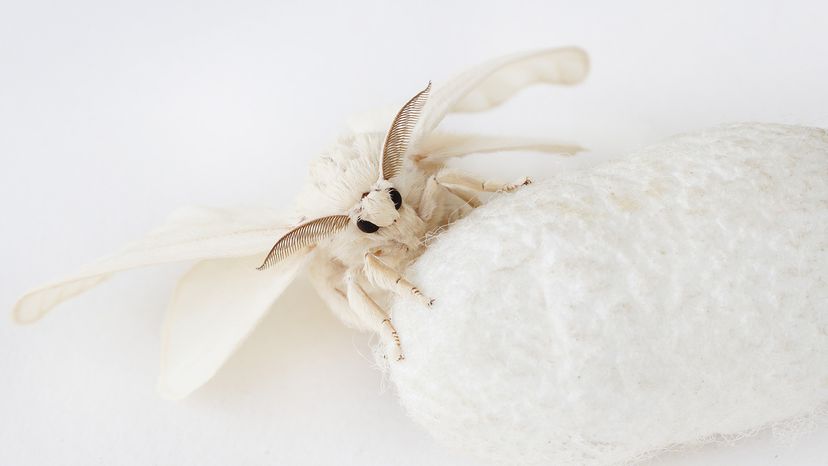
Silk moth
Silk moth. BG-Studio / Shutterstock

Silk production began with the domesticated silk moth (Bombyx mori), and other species such as the Japanese oak silkmoth (Antheraea yamamai) have also been cultivated for silk. These moth caterpillars spin fine silk during their larval stage.

Other relatives, like Antheraea polyphemus and the emperor moth, belong to the giant silk moth family with wide wings and eye-like markings.

Advertisement

5. Tiger and Leopard Moths

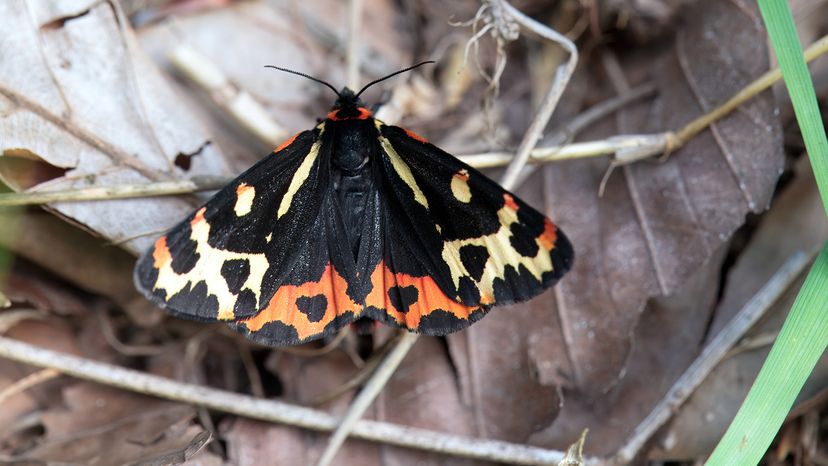
Tiger moth
Tiger moth. ChWeiss / Shutterstock

The garden tiger moth and giant leopard moth showcase bright colors and bold patterns. These visual warnings tell predators they’re toxic or unpalatable. Many of these species live in North America and emerge in early summer.

Advertisement

6. Codling, Diamondback, and Clothes Moths

Diamondback moth
Diamondback moth. Wirestock Creators / Shutterstock

These small moths make a big impact. Codling moths infest apples and pears, while diamondback moths target collard greens and other crops. Clothes moths, especially their larvae, feed on natural fibers and can damage stored clothing.

Advertisement

7. Io Moths

Found in the eastern United States, the Io moth sports bright yellow hindwings with large eyespots for defense.

Advertisement

8. Rosy Maple Moths

The rosy maple moth, with its pink and yellow colors, is one of the most uniquely colored moths in North America. Their larvae eat maple and oak leaves.

Advertisement

9. Box Tree Moths

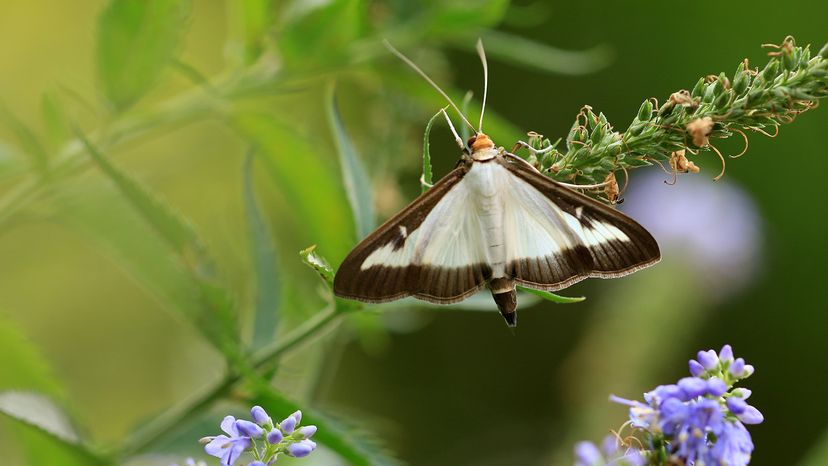
Box tree moth
Box tree moth. Eileen Kumpf / Shutterstock

The invasive box tree moth is a growing concern in Europe and North America, as its moth larvae feed on ornamental shrubs.

Advertisement

10. Wax Moths

Wax moths, on the other hand, lay eggs in beehives where their caterpillars consume wax and debris.

We created this article in conjunction with AI technology, then made sure it was fact-checked and edited by a HowStuffWorks editor.

Advertisement

Loading...