Water Bug vs. Roach Identification: Which Are You Dealing With?

By: Nico Avelle  | 
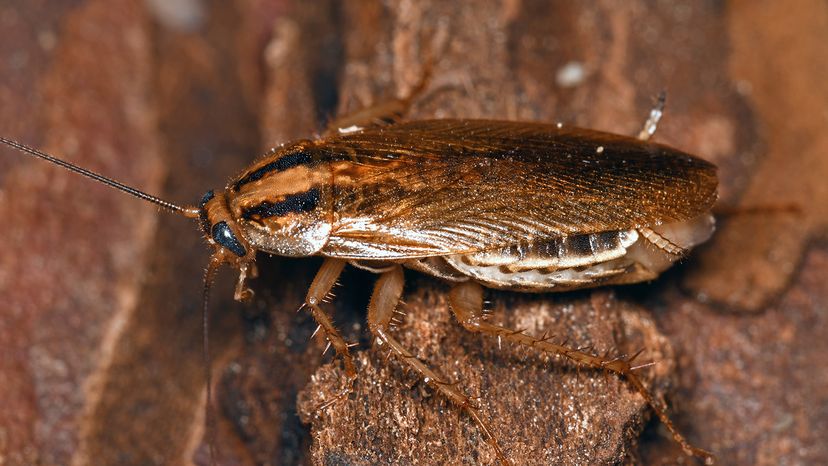
German cockroach
Ew. Guillermo Guerao Serra / Shutterstock

When it comes to creepy crawlers in kitchens and bathrooms, the water bug vs. roach confusion is real. Both have six legs, long antennae, and oval-shaped bodies. But their biology, habitats, and behaviors reveal they’re not the same.

Cockroaches and water bugs belong to different insect orders. Cockroaches, like the German or American cockroach, are true roaches.

Advertisement

Water bugs, like the giant water bug (also known as the electric light bug or toe biter), are aquatic insects from the order Hemiptera—a group of true bugs.
Natural Habitat and Behavior

Water bugs hunt. They live in freshwater environments such as slow-moving streams or swimming pools and prey on small aquatic animals like insects, tadpoles, or small fish. These bugs use a pointed beak to inject digestive enzymes into their prey.

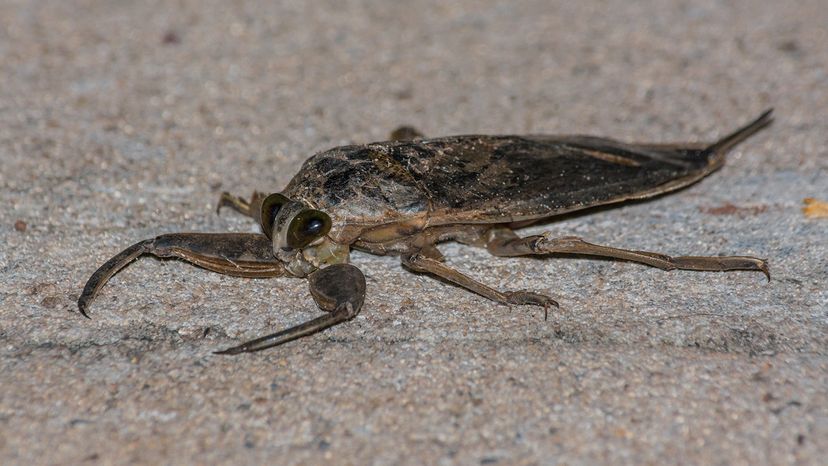
Water bug
Water bugs primarily feed on small fish and other insects.
Rafael Martos Martins / Shutterstock

Cockroach species typically live in warm, damp environments and feed on food scraps, decaying organic matter, and other waste. You’ll find them near plumbing fixtures, utility lines, or standing water.

Advertisement

Most cockroaches are nocturnal and considered pests because they contaminate food and trigger allergic reactions.

While some cockroach species (like the Oriental cockroach) may be mistaken for water bugs due to their dark brown color and love of damp areas, they’re not aquatic animals. Unlike true water bugs, roaches don’t capture prey. They’re scavengers.

Advertisement

Physical Characteristics

Water bugs are generally larger. Giant water bugs can grow over 4 inches (10 cm) long. They have broad, flat bodies, and short legs adapted for swimming.

Cockroaches are generally smaller, typically 0.25 to 3 inches (0.6 to 7.6 cm) long. The American cockroach is reddish-brown and fast-moving, while the German cockroach is lighter and often found in large groups indoors.

Advertisement

Water bugs are also solitary and rarely invade homes. Cockroaches, by contrast, thrive in human habitats and reproduce quickly, leading to pest infestations.

Health Risks and Bites

Here’s another key difference: water bug bites. While rare, giant water bugs can bite humans if handled or threatened. These bites are painful but not dangerous.

Cockroaches rarely bite humans. But they do pose health risks. Their droppings, shed skins, and saliva can aggravate asthma and allergies, especially in children. That’s why cockroach identification is crucial in pest control.

Advertisement

Prevention and Control

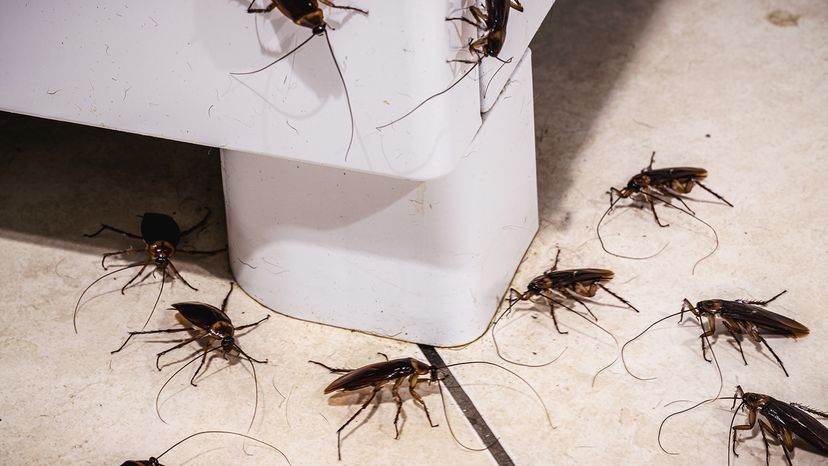
Cockroach infestation
If this looks like your kitchen, you have a big problem. RHJPhtotos / Shutterstock

To prevent pest infestations, remove food sources and seal entry points. Keep kitchens clean, store food in airtight containers, and fix leaks near plumbing.

Water bugs typically stay outdoors, but may appear near lights or in swimming pools. Because they prefer aquatic environments, removing standing water can help.

Advertisement

For roaches, pest control often involves bait stations, traps, and professional extermination—especially if large numbers are found indoors.

So while they may look alike at first glance, cockroaches and water bugs are very different pests with unique behaviors, diets, and health implications.

We created this article in conjunction with AI technology, then made sure it was fact-checked and edited by a HowStuffWorks editor.

Advertisement

Advertisement

Loading...