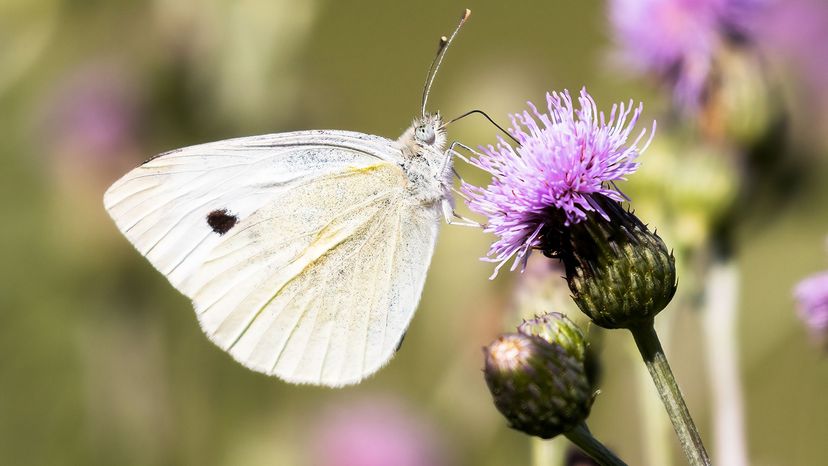
Even though this particular species is considered a garden pest, butterfly conservation is still important. Wirestock Creators / Shutterstock
You’ve seen them in your garden, fluttering like confetti across the kale and broccoli. That pale insect flitting around your vegetables? That white butterfly is most likely Pieris rapae, better known as the cabbage white butterfly.
This species isn’t just a harmless pollinator. It has a voracious larval stage that makes it a top-tier pest in home gardens across the globe.
The cabbage white, or small white, belongs to a genus of butterflies called Pieris. Native to Europe, it has spread worldwide.
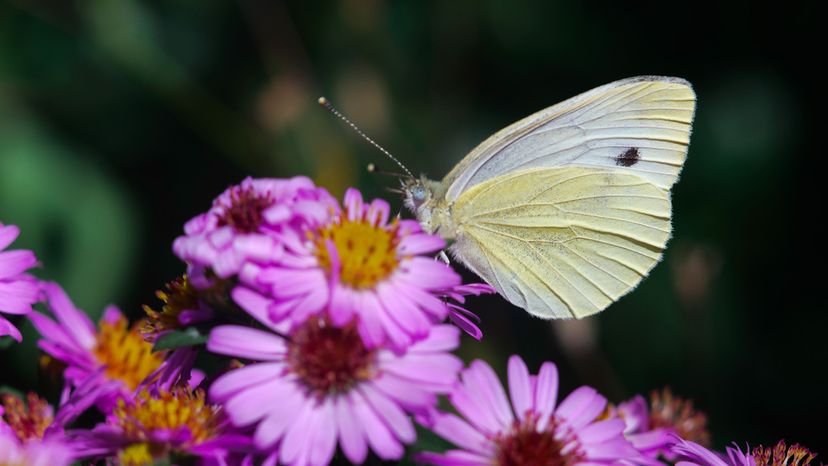
You can identify this species by its off-white wings with one or two black spots, depending on sex. Females have two black spots; males have one. The underside is a muted greenish or yellowish tone that helps it hide on the underside of leaves.
Advertisement
There’s also a larger relative: the large white (Pieris brassicae), sometimes called the large cabbage white. These insects scope out host plant leaves to lay eggs that will hatch into their destructive larval stage.
Life Cycle of the Cabbage White
This butterfly's wings almost look like petals themselves. Oleg Kovtun Hydrobio / Shutterstock
These butterflies go through complete metamorphosis. That means four stages: egg, larva (or caterpillar), pupa (or chrysalis), and adult.
A female can lay hundreds of eggs in her lifetime, often on plants in the cabbage family—that’s everything from cabbage and cauliflower to bok choy and kale.
Advertisement
A few days after eggs are laid, tiny green worms hatch. This is the imported cabbageworm (also called imported cabbage worm), and it’s hungry. These larvae chew holes in host plant leaves, sometimes reducing crops like broccoli and kale to leafy skeletons.
As they feed, the larvae grow bluish green with a faint yellow stripe, blending into leaves. After a couple of weeks, they form a pupa and transform into adults, starting the cycle again.
Multiple generations occur each summer, especially in temperate zones.
Advertisement
Pests With Wings
Despite their gentle appearance, cabbage butterflies are serious pests. Their larvae compete with humans for food, particularly brassica plants. The small white and large white species are among the most widespread garden invaders.
These caterpillars not only eat plants but also leave behind droppings that can contaminate foliage and heads, causing further damage.
Advertisement
Their feeding damages crops and makes leaves unmarketable. That’s a major issue for both backyard gardeners and commercial farmers.
Spotting and Controlling Cabbage Butterflies
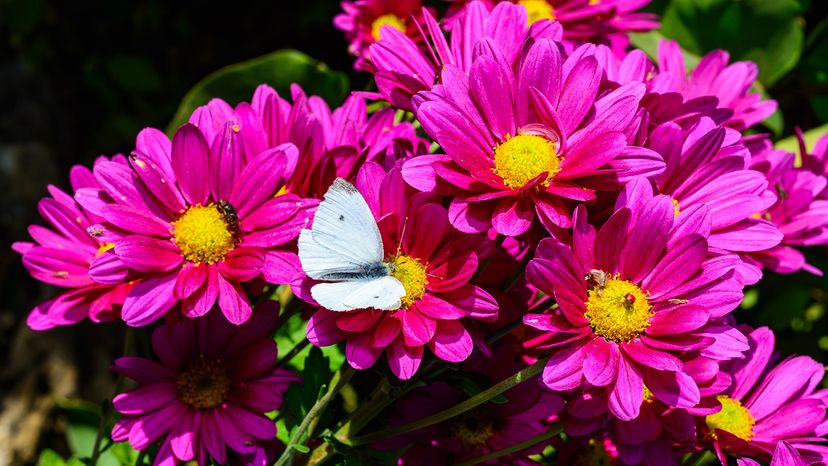
A white butterfly on pink and purple flowers? Swoon.Vahan Abrahamyan / Shutterstock
Look for the white butterfly in early spring through fall, especially on sunny days. Adults flutter low, seeking leaves to deposit their eggs. Their flight looks random, but it’s strategic.
Check the underside of host plant leaves for tiny yellow or white eggs. The larvae appear as green caterpillars with a bluish tint. The body may be fuzzy, making them hard to spot until significant damage appears.
Advertisement
To control them, try physical methods first:
Handpick caterpillars and eggs.
Use row covers to block adults.
Rotate crops to confuse laying patterns.
Introduce natural predators like parasitic wasps.
If needed, apply a biological spray like Bt (Bacillus thuringiensis), which targets larvae but spares beneficial insects. Avoid chemical pesticides, as they can harm moths, bees, and other essential species.
Advertisement
Why White Butterflies Matter
While they’re often unwanted in the garden, cabbage whites still play a role in the ecosystem. They serve as food for birds and beneficial insects. Watching them also sparks curiosity about insect life cycles, nectar sources, and seasonal changes.
Understanding these species helps us better respond to garden challenges and support healthy ecosystems. Whether you love them or loathe them, the white butterfly is here to stay.
Advertisement
We created this article in conjunction with AI technology, then made sure it was fact-checked and edited by a HowStuffWorks editor.
Cite This!
Please copy/paste the following text to properly cite this HowStuffWorks.com article: