Can Cats Eat Cheese? What Kinds of Cheese Are Cat-friendly?

By: Nico Avelle  | 
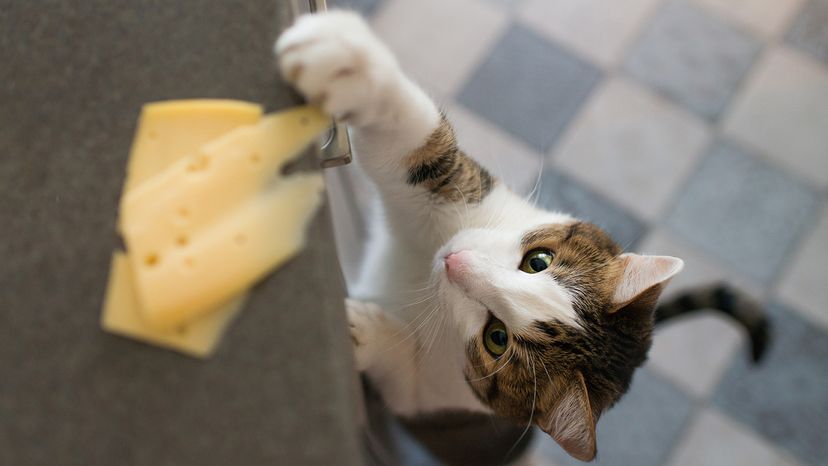
Cat trying to steal slice of cheese
Cats will say they can absolutely eat cheese. Vets have a slightly different opinion. Lysikova Irina / Shutterstock

Can cats eat cheese? The answer depends on your cat. While many cats eat cheese without immediate problems, it’s not always a good idea. Most cats are lactose intolerant, meaning dairy products like cheese can cause digestive issues.

Cats don’t have a nutritional need for cheese. As obligate carnivores, they require protein from meat, not milk. That said, if your feline friend loves cheese, a small bit as an occasional treat might be fine — depending on the type and how your cat reacts.

Advertisement
Why Many Cats Can’t Handle Cheese

Lactose intolerance is the main reason cheese might be bad for cats. Most cats do not produce enough lactase (the enzyme needed to digest lactose), which makes milk, cream, and cheese difficult to digest.

Feeding cheese can lead to vomiting, gas, or diarrhea in lactose-intolerant cats. If you’ve ever noticed your cat reacting badly after licking a bowl of milk, lactose could be the culprit.

Advertisement

What Types of Cheese Are (and Aren’t) Safe?

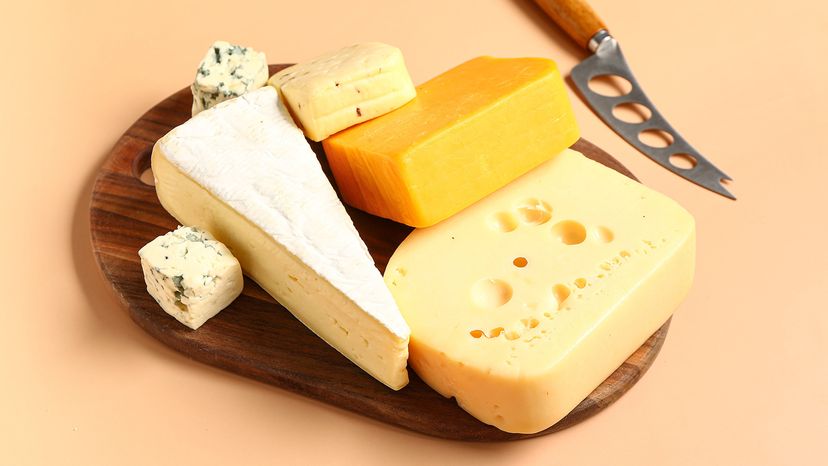
Different types of cheese
Most of the cheeses in this image are not cat-friendly. Pixel-Shot / Shutterstock

Not all cheeses are created equal. Some are better tolerated than others:

  • Cheddar cheese: Low in lactose and often used in small training treats
  • Cottage cheese: Lower in fat but still a dairy product — approach with caution
  • Cream cheese: Higher in fat and lactose; best avoided
  • Mozzarella: Soft and higher in lactose; generally best avoided, even in small amounts
  • Brie: Often made from unpasteurized milk (which may contain harmful bacteria)
  • Blue cheese: Contains Penicillium mold that can produce toxins harmful to cats

Cats should never eat cheese that contains added ingredients like garlic, onions, or herbs, which are toxic to cats.

Advertisement

Can Cheese Be a Healthy Option?

While cheese contains protein and fat, it’s not a good combination for cats in large amounts. It’s high in saturated fat and salt — not ideal for a species that thrives on lean meat.

Feeding cats cheese regularly could contribute to obesity or even kidney issues due to the salt content. So while cats love cheese, it’s best reserved for rare treats.

Advertisement

Dairy Allergies vs. Lactose Intolerance

Some cats may actually have a dairy allergy, not just lactose intolerance. Allergic reactions can include skin issues, vomiting, or gastrointestinal problems. If your cat develops symptoms after eating dairy, stop immediately and talk to your vet.

Advertisement

4 Tips for Feeding Cheese Safely

Cat eating cheese
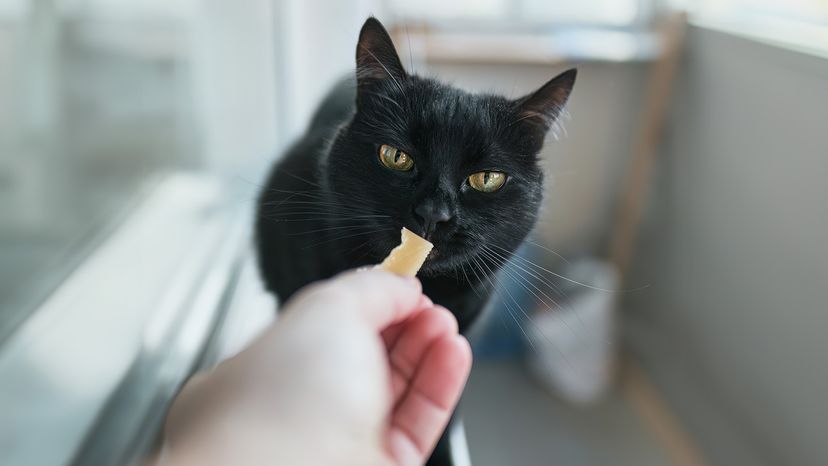
Giving your cat a small piece of plain cheese is relatively safe. alexgo.photography / Shutterstock

If you want to give your cat cheese:

  1. Choose plain cheese with no additional ingredients.
  2. Offer it cooked or pasteurized, never raw.
  3. Avoid giving half cheeseburgers or other human foods with multiple components.
  4. Use tiny amounts — no more than a pea-sized bite.

Always watch for digestive issues after introducing new foods, and avoid cheese altogether if your cat is allergic or has a history of food sensitivities.

Advertisement

We created this article in conjunction with AI technology, then made sure it was fact-checked and edited by a HowStuffWorks editor.

Advertisement

Advertisement

Loading...