Can Cats Eat Mango? P.S. Cats Can't Taste Sweetness

By: Nico Avelle  | 
cat and mango ice
That mouth-watering dessert? Not mouth-watering for your fur baby. Top Photo Corporation / Shutterstock

If your cat has shown interest in your fruity snack, you may be wondering: "Can cats eat mango?" The short answer is yes—in moderation.

Mango is generally safe for cats to eat, but like most human food, it should be offered as an occasional treat, not a regular part of your cat’s diet.

Advertisement

Is Mango Safe for Cats?

Yes, this tropical fruit is not toxic to cats and can be a tasty treat for your feline friend.

Cats can eat small amounts of ripe mango flesh, but only the peeled fruit. Never give cats the mango skin or pit, as the tough peel can cause stomach upset and the pit is a choking hazard that could cause digestive issues or even block their intestines.

Advertisement

Fresh mango contains vitamin C and beta carotene, nutrients that help support immune health in humans. However, cats do not need to get vitamin C from fruit (they synthesize it themselves), and they cannot convert plant beta carotene into the vitamin A their bodies require.

Cats are obligate carnivores, meaning their bodies are built to absorb nutrients from animal protein. They lack the taste receptors to fully appreciate mango’s sweet flavor, and their digestive system isn’t designed to extract much nutritional benefit from fruit.


Advertisement

How Much Mango Can Cats Eat?

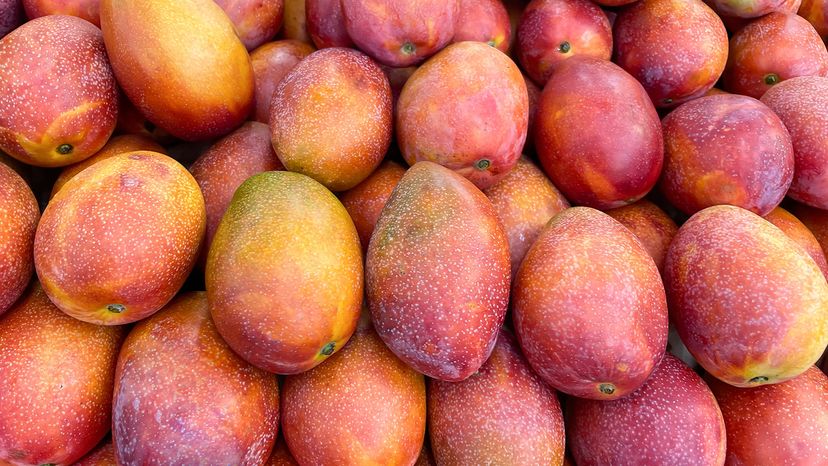
Pile of mangoes
Not this many. naluwan / Shutterstock

If your cat seems curious, you can offer a few bite-sized pieces of mango as a rare treat. A few small cubes (about the size of your cat’s kibble) are enough to satisfy curiosity without risking digestive upset.

Feeding too much mango or offering it frequently can upset your cat’s stomach due to its high sugar content and fiber. This is especially true for kittens or cats with sensitive stomachs.

Advertisement

Fresh vs. Dried Mango

Stick to fresh mango if you want to share. Dried mango is much higher in sugar and may contain preservatives or additives that aren’t safe for cats.

Mango juice is also not recommended. It lacks fiber, is often sweetened, and offers little nutritional value for felines. In fact, sweetened fruit juices can upset a cat’s stomach.

Advertisement

3 Potential Risks to Watch For

  • Choking hazard: Avoid mango peel and pits.
  • Digestive upset: Limit how much mango your cat eats.
  • Skin irritation or allergies: This is rare, but monitor for signs after introducing new foods.

Always start with a very small amount and observe how your furry companion reacts.

Advertisement

Nutritional Value for Cats

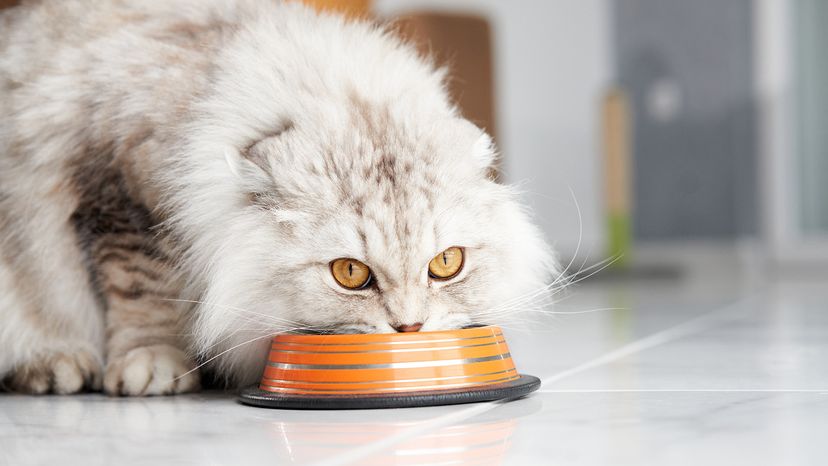
A focused Scottish Fold cat eats
Cats need meat, not fruit. Anna Averianova / Shutterstock

While mango does contain vitamins and antioxidants, it doesn’t provide essential nutrients that cats require for a healthy life. Cats get all the nutrients they need from a balanced, meat-based cat food diet—meaning mango doesn’t serve a necessary role in their nutrition.

When offering new foods to cats, always introduce them slowly and watch for any signs of digestive distress or unusual behavior. And when in doubt, consult your veterinarian.

Advertisement

We created this article in conjunction with AI technology, then made sure it was fact-checked and edited by a HowStuffWorks editor.

Advertisement

Loading...