
They sleep in sunbeams, rule the internet, and occupy our homes—but where did cats originate from in the first place?
The answer starts in the Middle East, winds through Ancient Egypt, and ends on our living room couch.
Advertisement
They sleep in sunbeams, rule the internet, and occupy our homes—but where did cats originate from in the first place?
The answer starts in the Middle East, winds through Ancient Egypt, and ends on our living room couch.
Advertisement
The domestic cat, or Felis catus, is the only domesticated species in the Felidae family, first domesticated about 9,000 to 10,000 years ago from the Near Eastern wildcat.
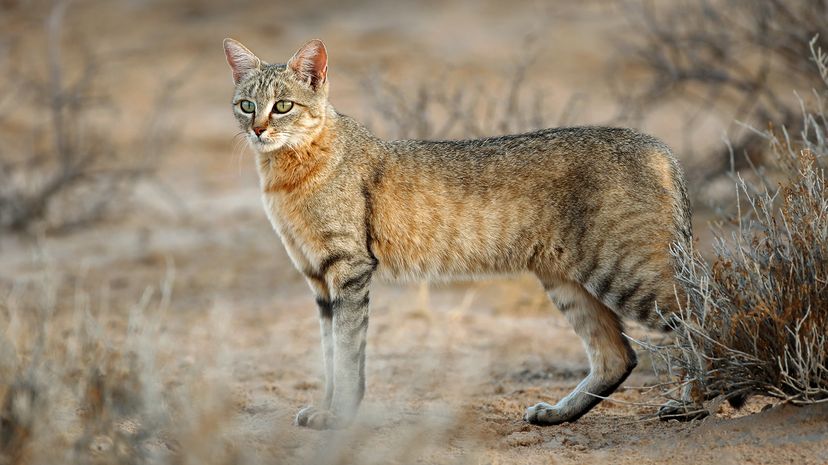
Genetic analysis and mitochondrial DNA studies show that domestic cats descended from the African wildcat, Felis silvestris lybica, a subspecies of the broader Felis silvestris lineage.
Advertisement
This wildcat, found in North Africa and the Middle East, coexisted with early human settlements in the Fertile Crescent. Archaeological evidence from places like Cyprus suggests that humans and cats were living side by side as far back as 9,500 years ago.
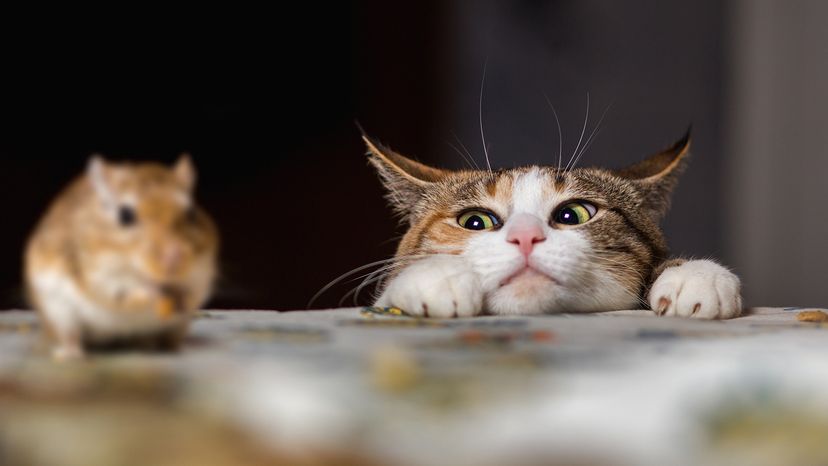
Unlike dogs, cats likely weren't domesticated through selective breeding. Instead, their domestication was more of a mutual arrangement.
As early farming communities stored grain, they attracted rodents. Wildcats—solitary animals by nature—started hunting near these settlements.
Advertisement
Over time, more social cats tolerated human contact and became permanent fixtures around human homes. This gradual, self-initiated adaptation was the start of true domestication.
The most tolerant, least aggressive cats likely got the most food and reproduced more, creating generations of cats more comfortable around people.
Advertisement
Cats became iconic in Ancient Egypt, where they were revered and associated with the goddess Bastet. Artistic depictions, mummified cats, and burial practices show that cat ownership had religious and cultural significance.
By the time of the Roman Empire, domestic cats had spread throughout Europe and into parts of Asia. Pet cats began to appear in households, coexisting with people not just for pest control but also as companions.
Advertisement
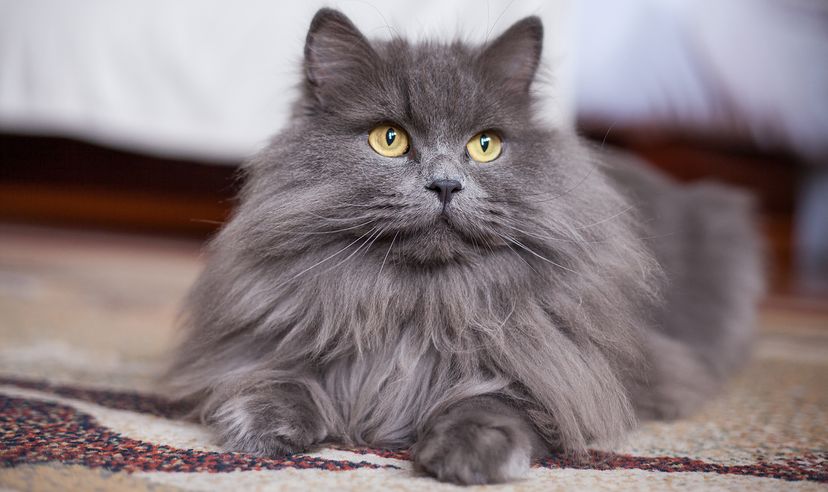
Today’s domestic tabby cats may share coat colors and behaviors with their wild ancestors, but modern cats are a distinct species. Their retractable claws, solitary hunting instincts, and high intelligence remain, but so do their affection for humans and ability to thrive as indoor cats.
Feral cats—those that live outdoors without direct human care—highlight the adaptability of the species. They show how domestic cats can still function in the wild, much like their ancestors did.
Advertisement
Modern cats vary in breed, personality, and behavior, thanks in part to recent selective breeding. However, most cats, including many strays and feral populations, are still genetically close to their wild ancestors.
While cat food, kitty litter, and vet visits are part of today’s indoor cat experience, the cat’s body and instincts haven’t changed all that much. They're one of the few animals that domesticated themselves and chose to live alongside us (not the other way around).
Advertisement
We created this article in conjunction with AI technology, then made sure it was fact-checked and edited by a HowStuffWorks editor.
Please copy/paste the following text to properly cite this HowStuffWorks.com article:
Advertisement