Why Do Cats Have Tails? All About the Expressive Spine Extension

By: Nico Avelle  | 
cat
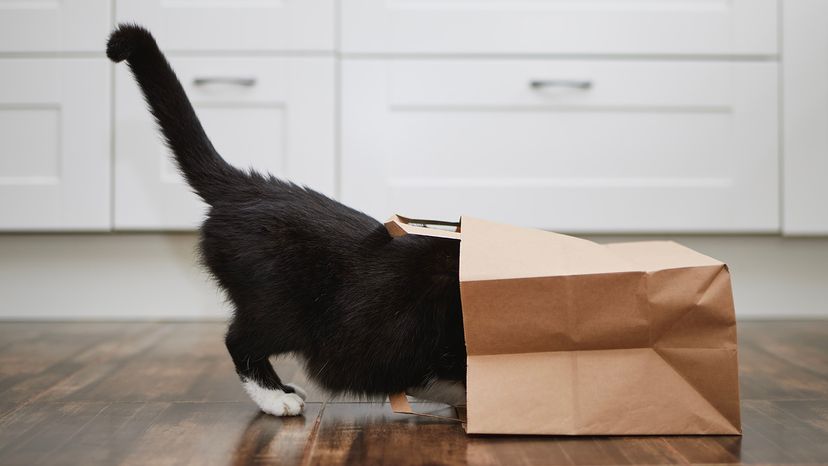
It's usually a good sign when you see a cat's tail straight up. Jaromir Chalabala / Shutterstock

A cat without a tail just doesn't look quite right. (Sorry, Manx and Bobtail cats.)

But why do cats have tails in the first place? Turns out, this familiar appendage plays a vital role in balance, communication and even safety. Most cats use their tails constantly—even when they seem to be doing absolutely nothing.

Advertisement

The cat's tail is an extension of the spine, made up of 18 to 23 small bones called vertebrae. These bones, surrounded by muscle, nerves and sensitive nerve endings, give cats full control over every twist and twitch.
Tails Keep Cats on Their Feet

Balance is a cat's superpower, and tails help make it possible. When a cat moves along a narrow ledge, makes a sharp turn while running, or prepares to pounce on prey, the tail counterbalances the body.

Think of it like a tightrope walker's pole. If the cat starts to tip, the tail swings to the opposite side, helping correct its center of gravity.

Advertisement

Adult cats and young kittens alike rely on this trick. Some tails even help keep the cat warm: You might spot your kitty wrapping its tail around its body on a cold day.

A Fluffy Tail Speaks Volumes

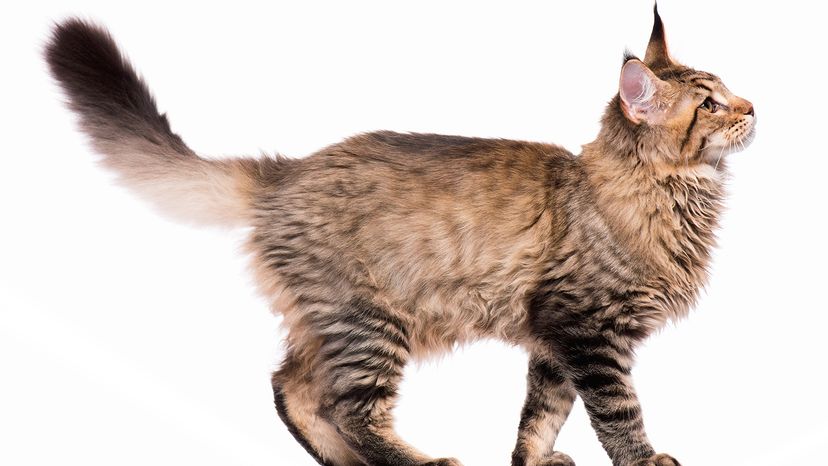
Maine Coon kitten
This Maine Coon kitten looks to be in a good mood, judging by its tail. DenisNata / Shutterstock

Cats communicate volumes with their tails. A tail held straight up often signals confidence, while a tail shaped like a question mark means your cat is feeling curious or playful.

A quivering tail can mean excitement or a cat marking territory, depending on your cat's mood and environment. When a cat's tail is puffed up, that's a clear sign of fear or agitation.

Advertisement

Cats wag their tails, too—but not like dogs. A slow wag or swish can signal annoyance, and quick flicks often mean overstimulation. Tail movements are part of body language that includes the ears, eyes, and legs.

Dilated pupils, flattened ears and a lashing tail usually mean it’s best to give your cat some space.

Advertisement

Tails Touch on Social Skills

Cats use their tails to communicate not just with people but with other cats and animals. When two cats greet, tail posture can indicate whether the interaction will be friendly or tense.

A high, straight tail signals peace. A low or curved tail can mean something else entirely.

Advertisement

This "tail language" helps cats avoid conflict or invite play. In multi-cat households, watching tail interactions offers clues to social dynamics. Many animals, from dogs to birds, use similar tail signals to communicate, but cats have refined it into an art.

What Happens When Tails Get Hurt

Tail injuries, like nerve damage or fractures, can affect a cat's ability to walk, balance, or even go to the bathroom.

Since the tail starts at the base of the spine and connects to many nerves, problems here can be serious.

Advertisement

Veterinarians often check tail tone and response during exams. If your cat suddenly stops lifting its tail or has a limp, droopy tail, it could signal a medical condition. Some injuries are temporary, but others might require surgery or long-term care.

Not Every Cat Has a Long Tail

Manx cat
This Manx cat's tail helps a tiny bit but isn't big enough to help with big balance challenges. Anna Mente / Shutterstock

Some breeds, like the Manx cat, carry a tailless gene that leads to very short tails or none at all. These tailless cats may have a different gait and sometimes minor spinal issues. Other breeds, like the Japanese Bobtail, have extremely short, nubby tails.

Even among tailless or short-tailed cats, you can still see attempts at tail-like movements. Their bodies adapt, but communication can be a little trickier, especially when interacting with other cats.

Advertisement

Tails Serve More Than One Purpose

Tails serve many roles in a cat's life. They help balance, aid in hunting, express emotions and even provide sensory input. A cat walking across a narrow beam or preparing to leap at a toy uses its tail to adjust in real time.

That tail isn’t just there for looks. It’s a dynamic, flexible tool that does more than we give it credit for. Whether your cat is chasing a bird, stalking a bug, or curling up on the couch, the tail is right there, doing its job.

Advertisement

We created this article in conjunction with AI technology, then made sure it was fact-checked and edited by a HowStuffWorks editor.

Advertisement

Loading...