Why Does My Cat Follow Me Everywhere?

By: Nico Avelle  | 
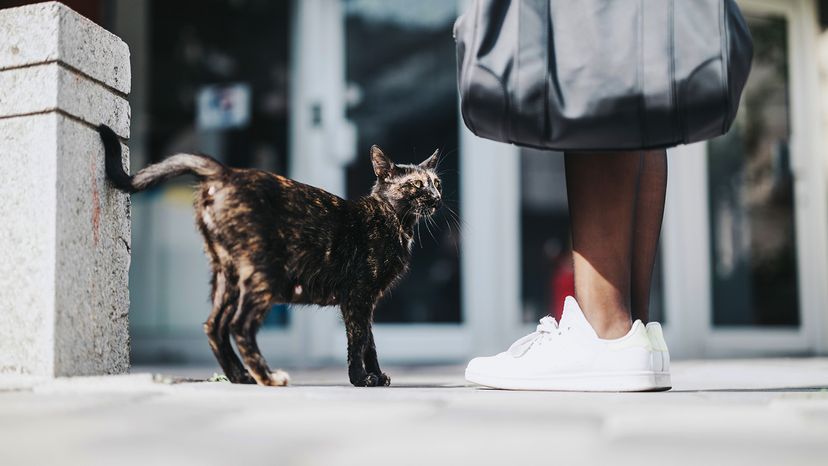
Cat encounters a pedestrian
Not all cats follow their humans for the same reasons. Gorgev / Shutterstock

Why does my cat follow me everywhere? If you’ve ever tripped over your feline in the hallway or found them waiting outside the bathroom door, you’re not alone in having this thought.

Many cats develop a habit of trailing their humans from room to room — and while it might seem odd, it’s usually totally normal.

Advertisement

Cats are curious creatures. From the moment you head to the kitchen or walk into the bathroom, they want to know what you're up to. That curiosity, paired with other emotional and biological reasons, often explains why your cat follows you everywhere.
Attention, Affection, or Food

One of the most common reasons your cat is following you is simple: They want something. That might be a treat, a play session, or a refill of the food bowl. Many cats learn that certain times of day — like when you walk toward the kitchen — mean food.

In other cases, your cat might just want attention. Cats are often labeled as independent, but they also form strong bonds with their humans. A cat following you can be a sign of affection, especially if they rub against your legs or flop over in your path.

Advertisement

Curious Cats and Playtime

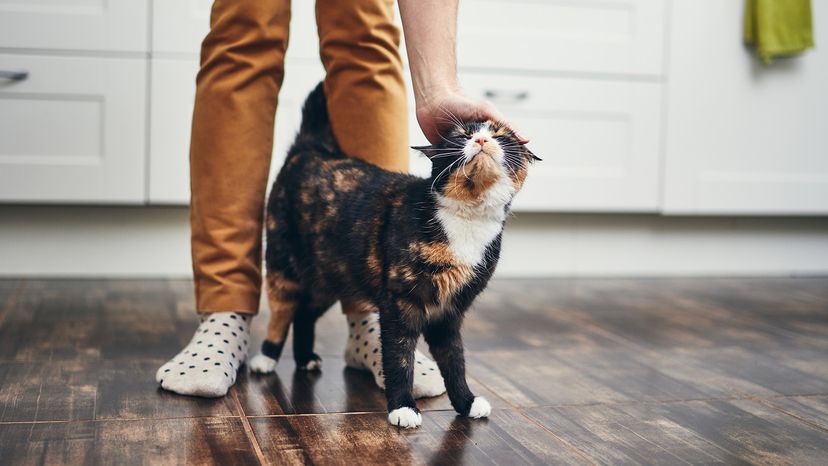
Cat with owner
Pay attention to me. Jaromir Chalabala / Shutterstock

Cats are naturally curious, and your movements are a constant source of stimulation. Following you lets them explore other rooms, investigate new sounds, and stay engaged with the action in the house.

This is especially true for kittens and indoor cats, who rely on you for entertainment. If your cat follows you but seems bored or agitated, it might be time to schedule more regular play sessions or rotate their toys.

Advertisement

Separation Anxiety and Stress

Some cats experience separation anxiety (yes, even felines can get clingy).

If your cat suddenly starts following you everywhere, they might be feeling stressed or insecure. This could happen after a move, a change in family dynamics, or even the loss of another pet.

Advertisement

Signs of separation anxiety may include excessive meowing, scratching at doors, or following multiple members of the household nonstop. Providing safe spaces, like a comfy bed or quiet room, can help your cat feel more secure.

Health and Medical Concerns

Occasionally, a cat's behavior changes because of a medical reason. If your cat is suddenly clingy, vocal, or acting unusually attached, it might be worth a trip to the vet. Illness or discomfort can drive a cat to seek out more company or behave differently.

This is particularly important if your cat is older, has recently lost weight, or is showing other signs of illness like changes in appetite or litter box habits.

Advertisement

Bathroom Behavior and Quirky Habits

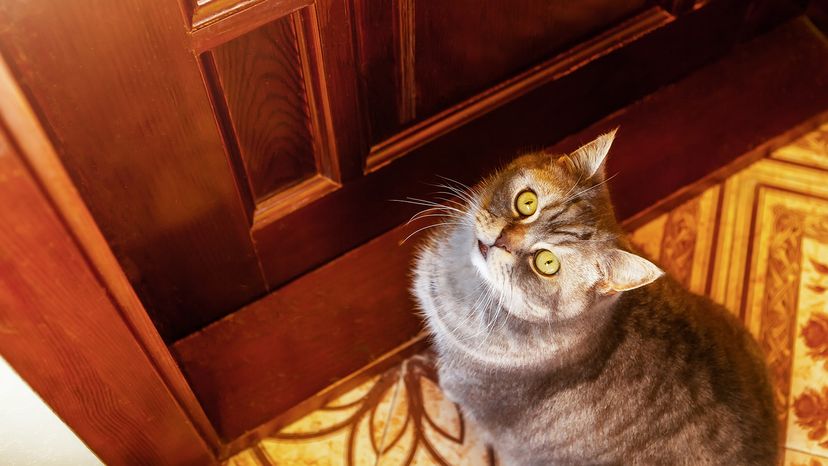
Cat sits at the door and waits
Can I go outside and play with the other cats now? Natalliaskn / Shutterstock

Why do cats follow you to the toilet or wait outside the door? It's not an assertion of dominance over your personal space. For some, it’s part of their routine. For others, the bathroom offers interesting sounds, smells, and even access to dripping water.

Some cats view closed doors as personal challenges. If they’re used to having access to you and suddenly can’t, their behavior might intensify — all in an effort to stay close.

Advertisement

When to Worry

Generally, if your cat follows you everywhere but still eats, sleeps, and plays normally, there’s no cause for concern. But if their behavior changes dramatically or they seem stressed, consult your veterinarian.

A sudden shift in your cat’s habits could point to underlying stress or illness. Keeping an eye on their overall behavior is the best way to spot problems early.

Advertisement

We created this article in conjunction with AI technology, then made sure it was fact-checked and edited by a HowStuffWorks editor.

Advertisement

Loading...