Why Does My Cat Have Dandruff?

By: Nico Avelle  | 
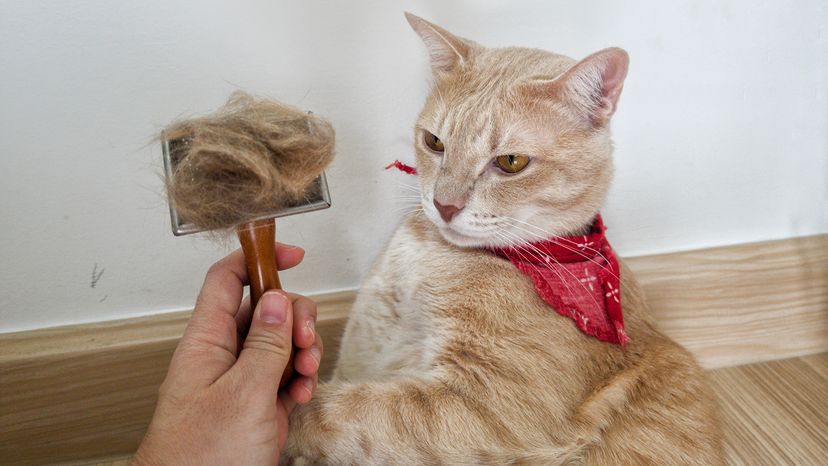
Cat grooming.
Pet owners should brush their cats regularly, whether the cat likes it or not. RJ22 / Shutterstock

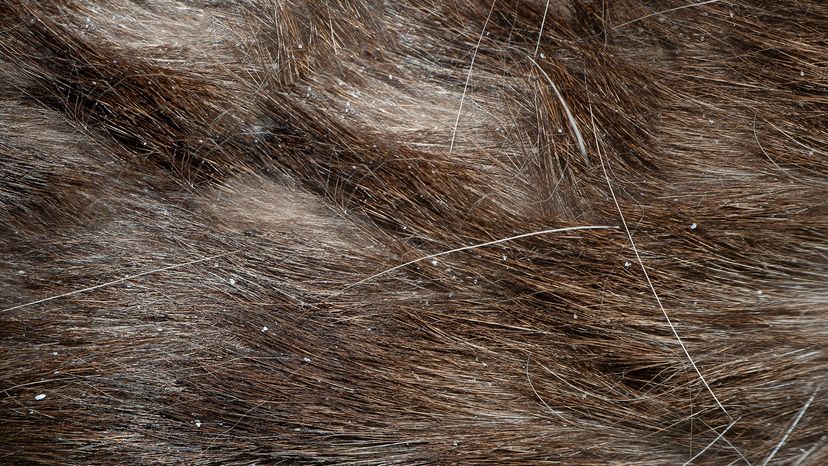
Why does my cat have dandruff? If you’ve spotted white flakes on your feline friend’s fur or bedding, you’re not alone. Feline dandruff is the visible shedding of dead skin cells, and while it’s often mild, it can also signal an underlying issue.

Unlike cat dander — which refers to microscopic skin particles that often trigger allergies — dandruff in cats shows up as larger, flaky skin patches. It’s not always a cause for alarm, but persistent flakes can affect your cat’s skin health and coat quality.

Advertisement
Dry Skin and Poor Grooming

Dry air, especially in winter, can strip moisture from your cat’s skin, leaving it flaky and irritated. Add in forced-air heating, and it’s a perfect recipe for dry skin.

Some cats also struggle with grooming. Older cats or those with arthritis may not be able to reach all parts of their body, meaning they can't remove dead skin cells as they accumulate. Long-haired breeds can also trap flakes in their thick undercoats.

Advertisement

A quick brush once or twice a day can help keep your cat’s coat clean and reduce visible flakes.

Diet and Hydration

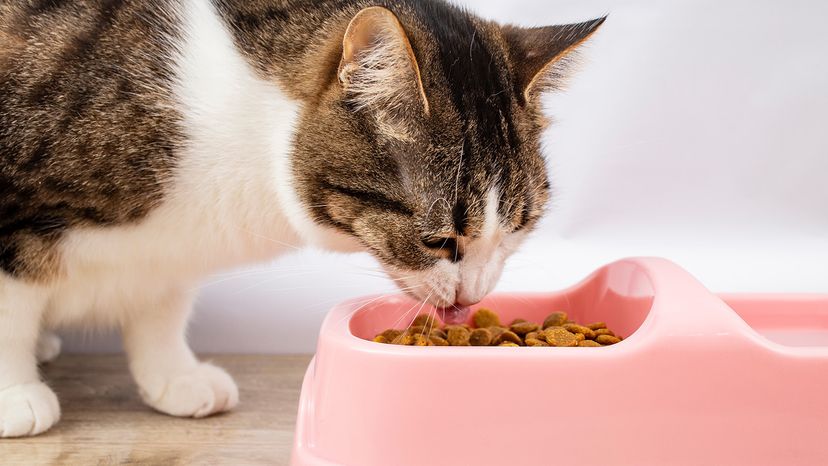
Cat eating food
You might want to consider feeding your cat wet food in addition to dry food to make sure they have all the necessary nutrients for a healthy coat. puha dorin / Shutterstock

Like us, cats need the right nutrients to keep their skin healthy. A diet low in omega-3 or omega-6 fatty acids can lead to dull fur and dandruff. Many commercial cat foods don’t contain enough essential fats.

Adding wet food to your cat’s diet or supplementing with fish oil can make a difference. Also, make sure your cat drinks enough water; dehydration can contribute to dry skin.

Advertisement

Cats often don’t drink much from bowls, so consider adding a water fountain to encourage hydration.

Allergies and Parasites

Food allergies or sensitivities to environmental triggers — like pollen or dust — can inflame your cat’s skin. This often shows up as dandruff, itchy spots, skin lesions, or even hair loss.

External parasites are another culprit. Cheyletiella mites, also called “walking dandruff,” cause intense flaking and are contagious to other pets. Fleas and lice can also irritate the skin, triggering excessive scratching and skin shedding.

Advertisement

Regular flea prevention and a visit to the vet can rule out or treat these causes.

Infections and Medical Conditions

Cat with dandruff
Talk to your vet about a cat dandruff treatment that may work for your pet. Lemalisa / Shutterstock

Sometimes, dandruff is more than skin-deep. Bacterial or fungal infections can disrupt the skin barrier, leading to flaking, redness, and odor. Left untreated, these skin infections can worsen and spread.

More serious health issues — like kidney disease or cutaneous lymphoma — can also present with skin problems. Watch for other signs like weight loss, fatigue, or changes in appetite alongside the dandruff.

Advertisement

If your cat’s flaky skin is accompanied by other symptoms, a full veterinary exam is the safest route.

Treating and Preventing Dandruff

The good news is that most cases of cat dandruff are manageable. Daily brushing helps distribute natural oils and remove loose flakes. Choose a brush appropriate for your cat’s fur type.

Topical treatments, like medicated shampoos or sprays, can soothe irritated skin — but only use products recommended by your vet. Never use human shampoos or essential oils on cats.

Advertisement

For cats with recurring issues, skin supplements or changes in grooming practices may help. In some cases, a professional groomer might be needed to manage long fur or matting.

We created this article in conjunction with AI technology, then made sure it was fact-checked and edited by a HowStuffWorks editor.

Advertisement

Advertisement

Loading...