Why Does My Cat Headbutt Me? What Is It Trying to Tell Me?

By: Nico Avelle  | 
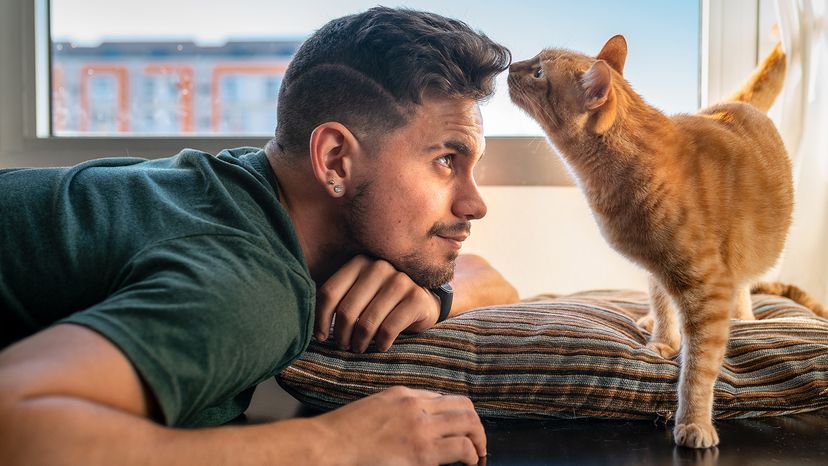
cat sniffs human
Cat lovers want to know everything about their fur baby's behavior. Magui RF / Shutterstock

If your cat walks up, lowers its head, and gently bumps you with its forehead, you might wonder, why does my cat headbutt me? That tender nudge is more than a cute quirk; it’s a meaningful message in feline language.

In cat-speak, this move is called "head bunting," and it’s a sign your furry friend feels secure, social, and affectionate around you.

Advertisement

What Is Head Bunting?

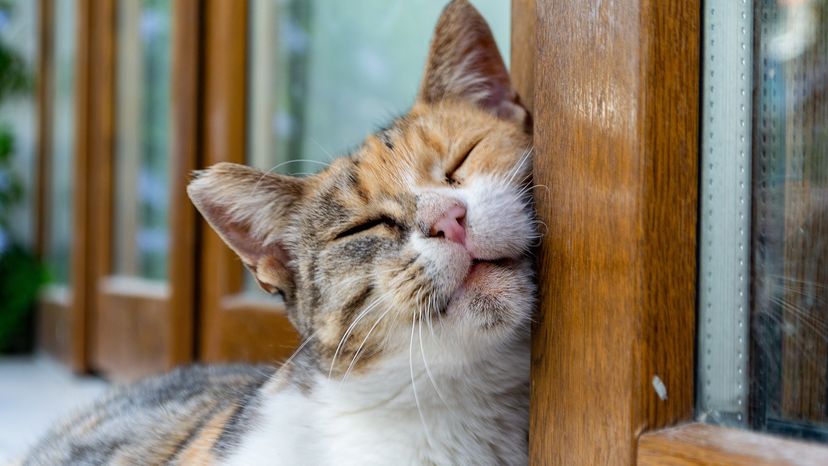
Cat rubbing her head on a door
Here's a cat's way of saying, "I love this door. This door is mine." Anna Parousi / Shutterstock

The behavior called head bunting is when cats rub or nudge their head — specifically the forehead or side of the face — against you, furniture, or other animals. Head bunting is deliberate, gentle, and often followed by purring, rubbing, or a slow blink.

It's not the same as head pressing, which is often a sign of neurological distress.

Advertisement

Cats have scent glands in their cheeks, forehead, chin, and even paws. When a cat presses its head against you, it activates these scent glands to leave behind pheromones.

This is how scent marking in cats works. They're saying, "You belong in my territory, and I feel safe with you."

Advertisement

Scent Marking and Territory

Cats communicate in a language of smells. Bunting transfers pheromones that help create a familiar scent environment — something especially important in cat colonies. Confident cats use head bunting to blend their scent with others, building a kind of colony scent.

When your cat headbutts you, it's applying the same logic. It’s merging its scent with yours, marking you as part of its home base.

Advertisement

Cats mark things with their scent to establish a familiar scent environment, helping them feel secure. So that bump on your leg or face? It's a feline high-five of trust.

A Sign of Affection

Head bunting is often a clear sign of affection. Not every cat shows love the same way, but for cats that do this, it’s a big deal. Alongside other signs like slow blinking, purring, or curling up next to you, headbutting says, "I trust you," like the cat version of a hug.

Cats don’t bunt just anyone. If your cat rubs its forehead on you, you're in the inner circle. Some cats might even bunt their dog buddies, other cats, or a new person if they feel secure enough.

Advertisement

Seeking Attention or Interaction

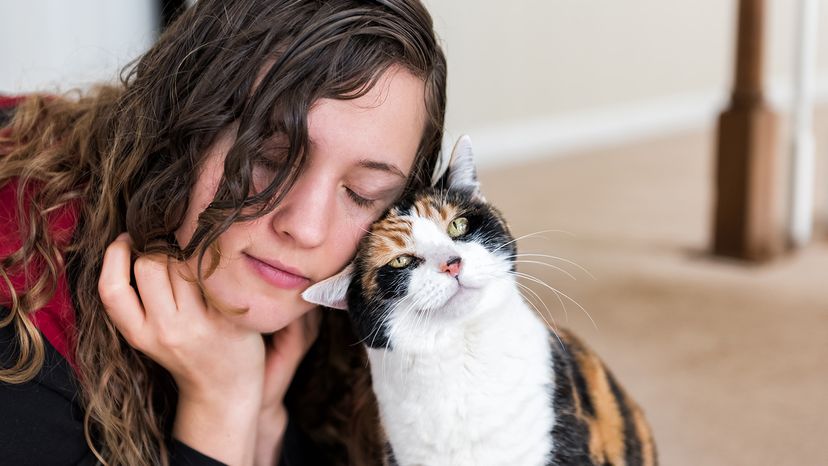
Young woman bonding with cat
Leaning your cheek on your cat's head doesn't count as your cat headbutting you. Kristi Blokhin / Shutterstock

Sometimes, headbutting is how your cat gets your attention. Whether it wants a snack, a pet, or just some eye contact, that nudge means, "Hey, I’m here." It's a gentle, tactile way to signal its presence — and a lot more polite than meowing at 3 a.m.

If your cat bumps you and then turns its head or cheek, it might want you to return the favor with a scratch or rub. Many cat owners learn to recognize this cue quickly.

Advertisement

Head Bunting vs. Head Pressing

Head bunting is not to be confused with head pressing. While bunting is soft and affectionate, head pressing is when a cat continuously pushes its head against a wall or object and could signal a serious medical issue. If you see this behavior, consult a vet right away.

Advertisement

Where Cats Bunt and Why

Cats often bunt the places they want to mark as safe, including walls, furniture, and you. Common targets include your forehead, chin, ears, and even your hands.

Their goal? Leave their scent and create a safe space. Cats have scent glands in those bunting zones — the cheeks, forehead, chin, and base of the ears — so rubbing those spots is like putting up a "this is mine" sign.

Advertisement

In cat colonies, bunting helps maintain group cohesion. At home, it reinforces the bond between you and your feline friend.

Lastly, not every cat headbutts. Just like people, cats have unique personalities. Some might prefer to rub against your leg, use their cheeks, or communicate with their tail or a slow blink instead.

We created this article in conjunction with AI technology, then made sure it was fact-checked and edited by a HowStuffWorks editor.

Advertisement

Advertisement

Loading...