'Why Does My Cat Lick Me, Then Bite Me?' — Every Cat Owner Ever

By: Nico Avelle  | 
cat licking
Anyone else thing cat tongues feel like wet sandpaper? Kulkova Daria / Shutterstock

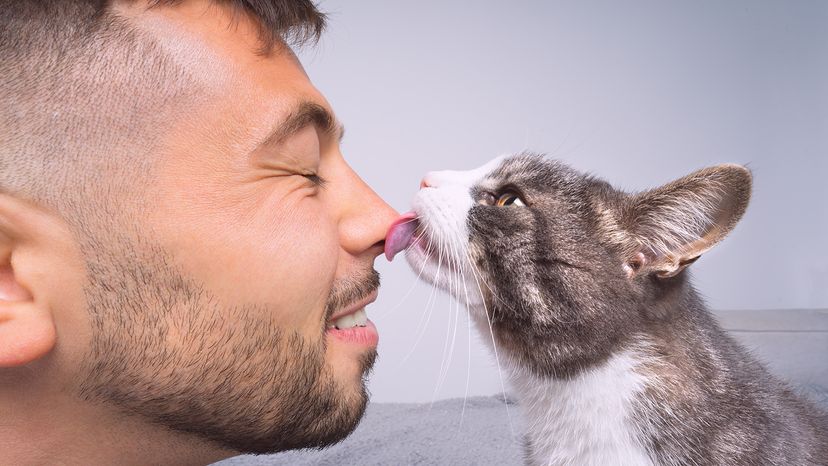
Why does my cat lick me then bite me? Everyone with a feline friend has asked this at least once in their life, if not once a day.

If your furry friend licks you lovingly one moment and delivers a little nip the next, you’re definitely not alone. This mix of licking and biting is a common behavior in adult cats and can mean several things, from affection to overstimulation.

Advertisement

Understanding your cat’s body language closely is key to decoding what they’re trying to say.
Grooming Behavior and Love Bites

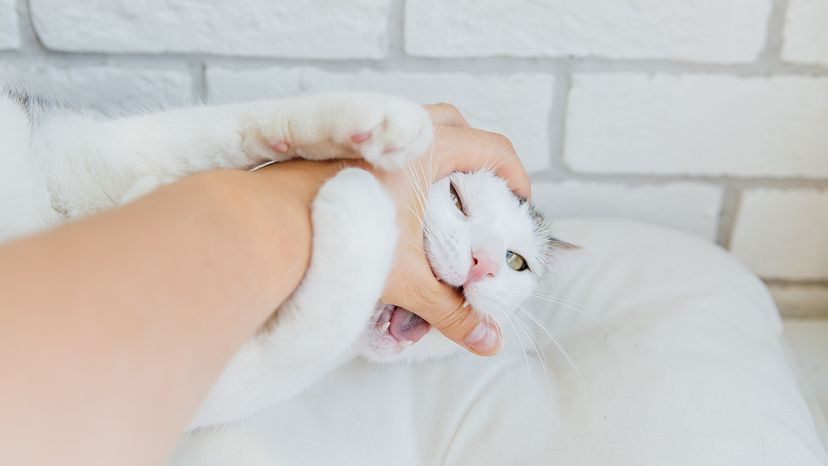
Cats groom each other as a way to bond. This behavior often includes licking and gentle biting: Think of it as feline social glue. When your cat licks you and follows up with a gentle bite, they may be mimicking the grooming behavior they use with other cats in their family group.

Cat bites hand
If you have a cat, overstimulation is a good concept to understand.
Daria Bondina / Shutterstock

These “love bites” are typically not aggressive. They’re more like a friendly signal that says, “You’re part of my family.” Most cats do this with human owners they feel especially close to.

Advertisement

Overstimulation and Petting-induced Aggression

Another reason your cat may lick then bite is overstimulation. Cats have sensitive nerve endings, especially around the tail, back, and belly. If petting continues past your cat’s comfort level, they might give you a little nip to say, “Enough.”

This behavior is known as petting-induced aggression. New cat parents may miss the signs, but veteran cat parents know to watch for dilated pupils, twitching tails, or flattened ears. These signals mean it’s time to stop petting.

Advertisement

Playfulness and Hunting Instincts

Cats are natural hunters. Sometimes licking turns into biting because your cat is feeling playful or wants to initiate a game. This is especially true if your kitty starts licking your hand, then gives a bite and darts away.

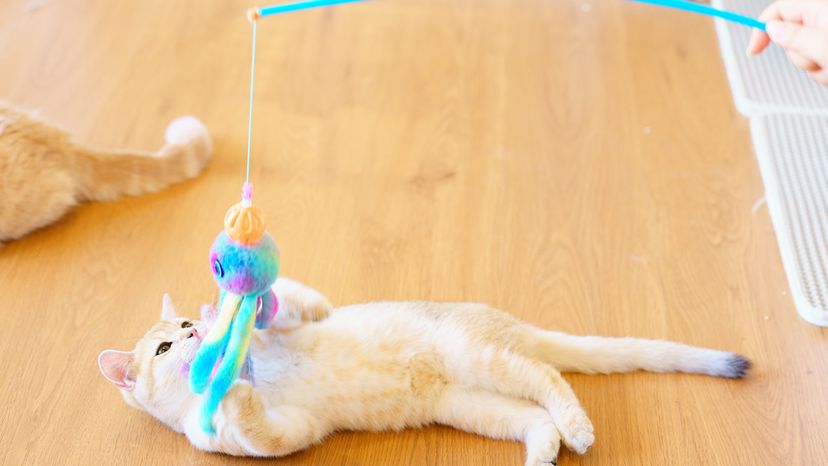
Cat playing with cat toys
You can help reduce aggressive behavior by playing with your cat more often.
AAlum.img / Shutterstock

Providing cat toys — like feather wands or interactive play sessions – can redirect this biting behavior into a healthier outlet. It’s also a good idea to keep petting sessions short and sweet.

Advertisement

Stress, Anxiety, or a Need for Space

Loud noises, new pets, or changes in the home can stress out your cat. If your cat starts licking and biting more often, they may be reacting to anxiety. Some cats use this combo to get your attention, while others may be signaling that they need alone time.

A sudden increase in this behavior could also be related to flea bites, skin irritation, or other discomforts. If you notice excessive grooming, talk to your vet.

Advertisement

How to Respond and Build Positive Association

The best way to respond is by observing your cat’s behavior and body language. If your cat gives you a gentle bite during cuddle time, it’s likely affectionate. But if it follows a series of signs like twitching or restlessness, it may be a request for space.

Avoid punishing your cat for these nips.

Advertisement

Instead, use positive reinforcement by rewarding calm behavior and give your cat time to cool down after a petting session. Over time, this helps your cat build a positive association with your touch.

We created this article in conjunction with AI technology, then made sure it was fact-checked and edited by a HowStuffWorks editor.

Advertisement

Advertisement

Loading...