Why Does My Cat Lick My Hair? Does It Think I'm Not Clean?

By: Nico Avelle  | 
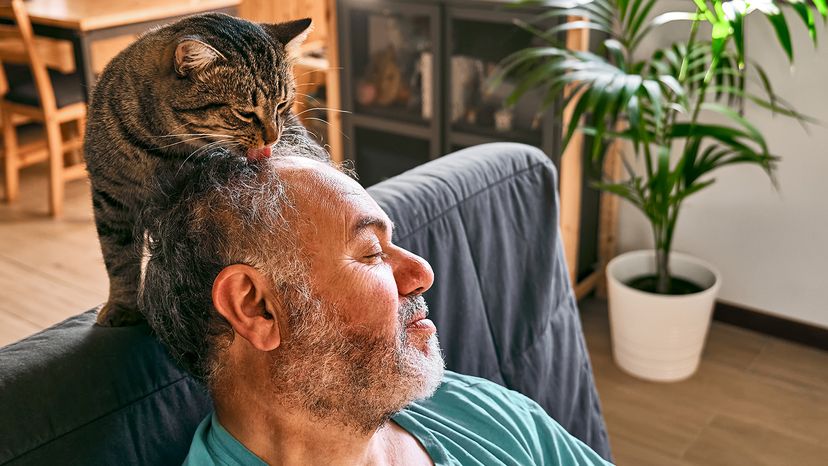
A cat may lick its owner's hair as an expression of affection or curiosity. Caterina Trimarchi / Shutterstock

If you've ever felt a rough tongue on your scalp while relaxing on the couch, you’ve likely asked, "Why does my cat lick my hair?"

While this behavior might seem unusual, it’s actually rooted in your cat’s instinctive grooming behavior and social bonding habits.

Advertisement

Cats typically spend around 30 to 50 percent of their waking hours grooming themselves, and they will also groom other cats and even their human companions as part of normal social bonding behavior.
Grooming as a Social Bond

cats
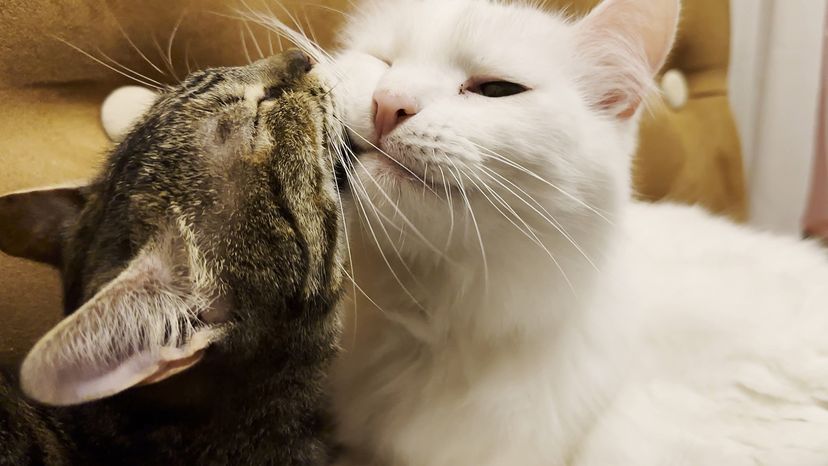
Allogrooming is important to cats' physical and emotional health. ExpressVectors / Shutterstock

In the feline world, grooming between two cats is called allogrooming. Social cats groom each other to strengthen bonds and share a communal scent.

When your cat licks your hair, they may be extending that behavior to you, especially if you're part of their close circle.

Advertisement

Mom cats groom kittens to keep them clean and reinforce affection. If your cat sees you as family, licking your hair may be their way of saying you belong.

Affection and Stress Relief

Cats licking your hair can also be a sign of affection. Just like petting a cat can soothe them, grooming you may help them self-soothe. It's a relaxing massage and a way to show love.

Some cats also lick as a form of stress relief. If a cat’s environment has recently changed or if they’re feeling anxious, hair licking might increase. This behavior often mirrors how cats self-groom to calm down.

Advertisement

Curiosity or Taste

Your hair might smell interesting to your cat, especially if you've used scented shampoo or hair products. The texture of human hair can also intrigue some cats, especially if there are loose hairs to paw or lick.

Cats may be drawn to the salty taste of your scalp or simply the scent of something familiar. In most cases, this is harmless, though it’s a good idea to watch for signs that your cat is ingesting non-food items.

Advertisement

When to Worry

If your cat acts obsessive or aggressive about licking your hair, or starts eating it, talk to your veterinarian. Compulsive grooming can sometimes signal an underlying medical problem or a psychological issue—for example, stress or anxiety.

Health concerns like skin irritation (or hair loss from excessive grooming), grooming indifference (i.e., your cat stops cleaning itself), or sudden changes in behavior warrant a closer look by a veterinarian.

Advertisement

Stress, boredom, or lack of stimulation might also be factors. In these cases, try adding more toys, playtime, or perches to enrich your kitty’s life.

How to Set Boundaries

cat and dog
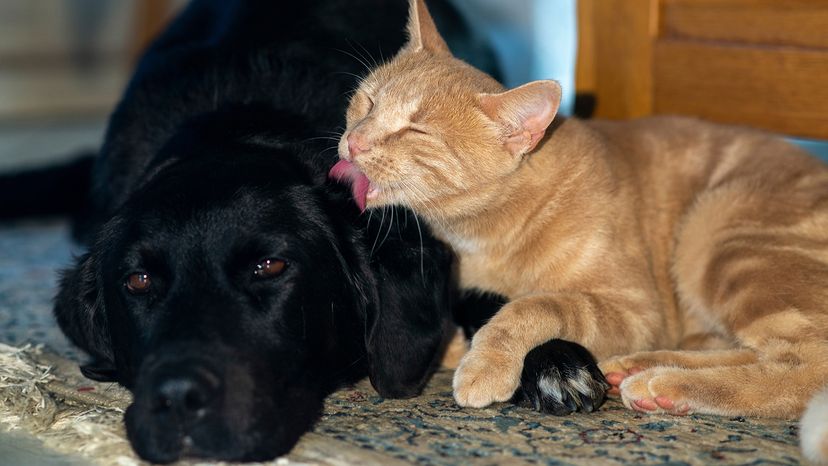
Cats extend their grooming efforts to other living beings they love—sometimes, whether or not those beings actually want to be groomed. Zapylaieva Hanna / Shutterstock

While it’s sweet, not everyone wants a grooming session from their pet. If you’d like your cat to stop licking your hair:

  • Gently move your head or offer a toy as a distraction.
  • Provide affection in other forms, like petting.
  • Avoid reacting strongly, as this might reinforce the behavior.

Most cats will respond to consistent redirection, especially if the licking is more about bonding than stress.

Advertisement

We created this article in conjunction with AI technology, then made sure it was fact-checked and edited by a HowStuffWorks editor.

Advertisement

Advertisement

Loading...