Why Does My Cat Meow at Night? Like, All Night...

By: Nico Avelle  | 
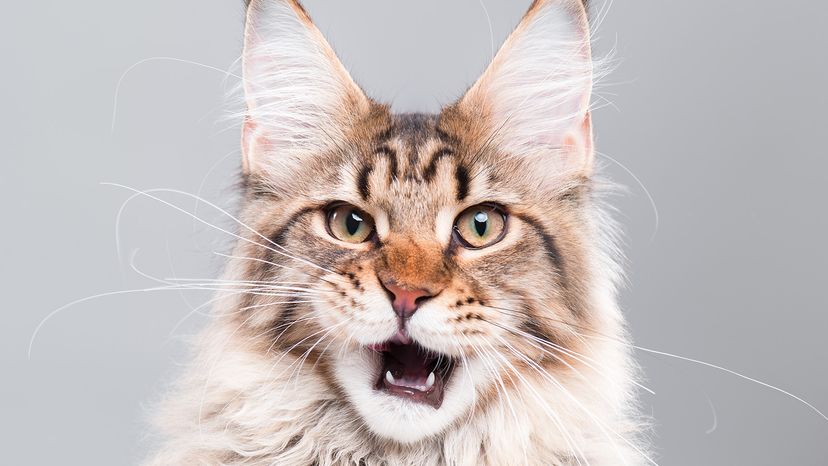
Maine Coon kitten
If you're dealing with a cat yowling at midnight every night, you're probably desperate for a way to make it stop. DenisNata / Shutterstock

If your feline friend turns into a tiny opera singer after dark, you're not alone. Many cat owners wonder, why does my cat meow at night?

That nighttime serenade can be charming—or extremely disruptive. The causes range from natural instincts to medical issues.

Advertisement

Understanding your cat's behavior at night can help both of you get a good night's sleep. Whether it's meowing constantly or the occasional loud yowling sound, your cat is likely trying to tell you something.
The Crepuscular Truth

Cats are crepuscular, meaning they're most active during the early hours of morning and evening. This crepuscular tendency means nighttime meowing isn't strictly true "night owl" behavior. It's just part of a cat's natural process.

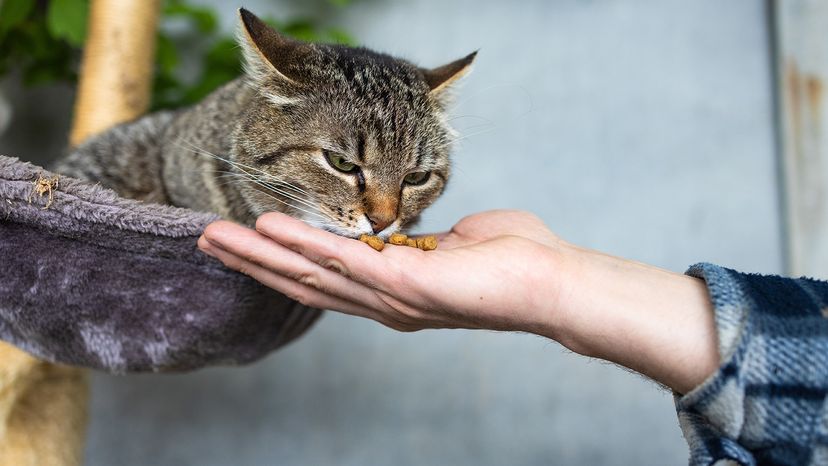
Cat eating food
Try not to reward bad behavior with treats or affection.
Yanya / Shutterstock

Outdoor cats may roam or cry near a cat flap during these hours, while indoor cats might look for stimulation. An unstimulated cat crying at night could be trying to burn off energy it didn’t use during the day.

Advertisement

Attention-seeking or Hunger

Nighttime vocalization is often your cat’s way of seeking attention or food. If you react every time your cat meows at night, it may learn that meowing loudly gets results.

Dry food left out or a timed feeder can help reduce this attention-seeking behavior. Just be cautious not to reinforce the meowing by offering treats or affection at the wrong times.

Advertisement

Medical Issues and Age

Increased vocalization can sometimes signal a medical problem. Kidney disease, an overactive thyroid, or other health issues can cause cats to meow excessively. If your cat is older, night calling might be linked to cognitive dysfunction syndrome (CDS), a feline form of dementia.

Other signs might include confusion, disorientation, or changes in litter box use. If your senior cat seems disoriented or cries at night on a frequent basis, a vet visit is the first port of call.

Advertisement

Mating Calls and Territorial Behavior

Male cats, especially intact ones, may engage in loud yowling to attract mates. That extremely loud screeching isn't just annoying; it's biology in action. Spaying and neutering significantly reduces these behaviors and prevents unwanted kittens.

Younger cats and kittens may also meow as they adjust to a new environment. It's part of their learning curve as they settle into their new home.

Advertisement

Mental and Physical Stimulation

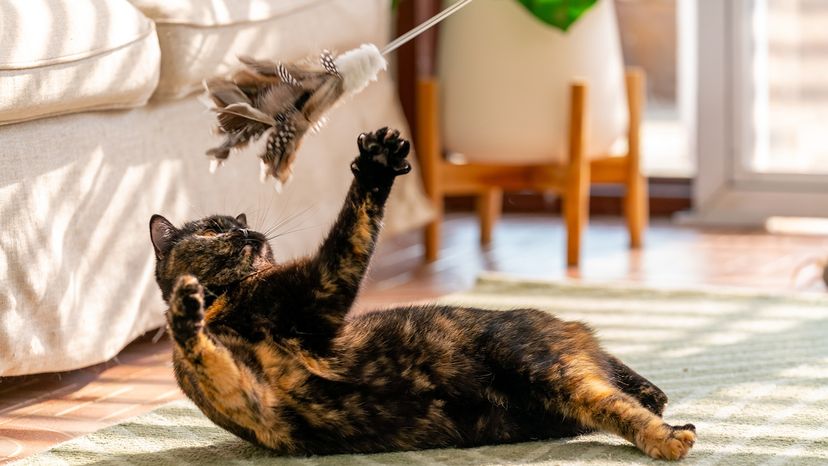
Cat playing
Usually, the answer is simply that your cat needs more playtime. CandyRetriever / Shutterstock

A bored cat is a noisy cat. If your feline companion isn’t mentally and physically stimulated during the day, it might channel that unused energy into night time antics.

Interactive toys, a wand toy session before bed, and food puzzles can keep your cat's brain engaged and body tired. Scratching posts and an enriching cat's environment help meet these needs.

Advertisement

When To See the Vet

If your kitty's meowing at night becomes a frequent or excessive vocalization, it's time to rule out medical causes. Thyroid issues, cognitive dysfunction, or pain could be behind the noise.

Look for other symptoms, such as changes in appetite, weight, or body language. Keep track of when and how often the meowing happens and share that info with your vet's office.

Advertisement

Some cats are just more vocal, but night meowing can also be a sign that something is physically wrong or emotionally unsettled. A thorough check-up helps ensure your cat's well-being—and your much-needed rest.

We created this article in conjunction with AI technology, then made sure it was fact-checked and edited by a HowStuffWorks editor.

Advertisement

Advertisement

Loading...