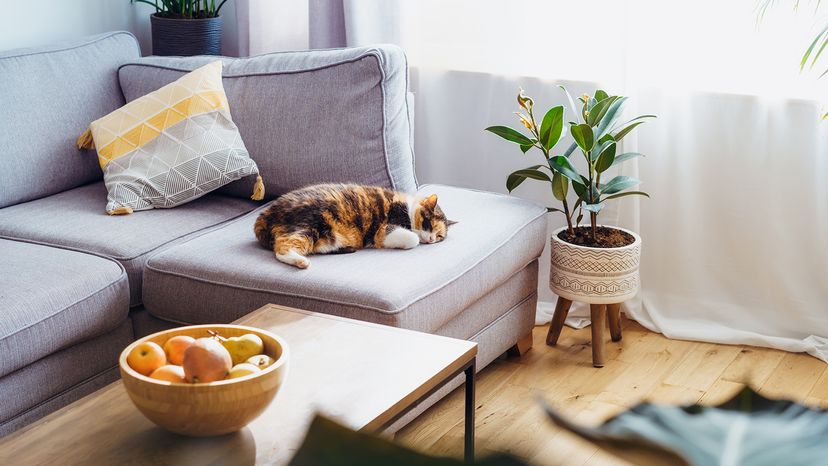
Why Does My Cat Twitch in Her Sleep? Is She Dreaming?

By: Nico Avelle  | 
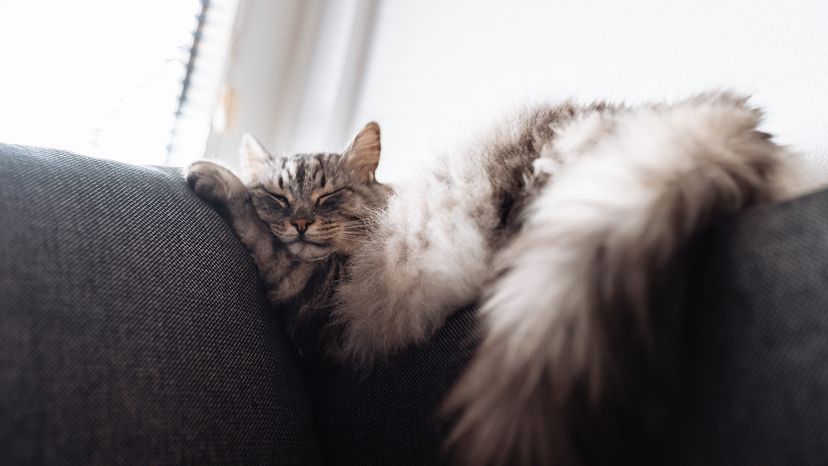
sleeping gray cat
Cat sleeping positions is a whole different question. larisa Stefanjuk / Shutterstock

If you’ve ever watched your cat twitching in her sleep, you might wonder if it’s something to worry about. The question "why does my cat twitch in her sleep" is common among cat parents, and the good news is that in most cases, it’s totally normal.

Twitching, muscle spasms, and even mild vocalizations can occur during certain stages of your cat’s sleep cycle, especially during REM sleep.

Advertisement
REM Sleep and Dreaming

Just like humans, cats cycle through different sleep stages, including REM (rapid eye movement) sleep. This stage is also called paradoxical sleep, and it’s when most dreaming occurs.

During REM sleep, a cat’s body might twitch, paws may move, whiskers can flick, and the eyes often shift rapidly beneath closed lids.

Advertisement

These involuntary muscle movements are a normal part of a healthy cat’s sleep. A very sleepy kitty, especially one that’s just fallen into deep sleep, might twitch as she dreams.

Kittens and Sleep Twitching

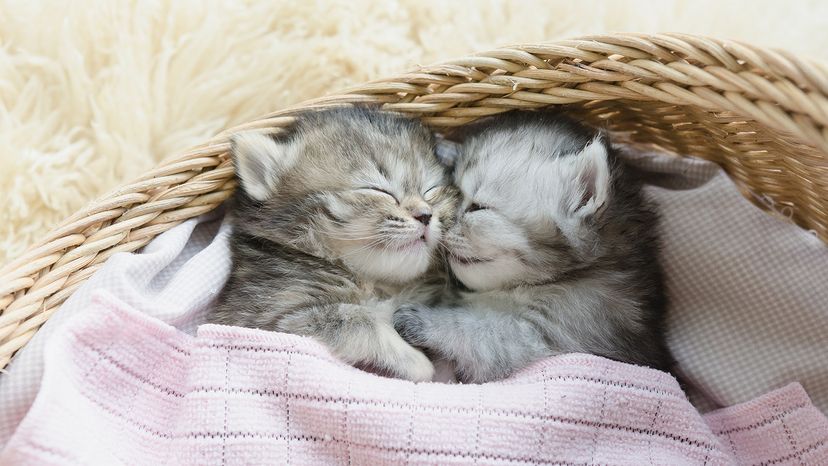
Cute tabby kittens
Feline sleep is pretty freaking adorable. ANURAK PONGPATIMET / Shutterstock

Kitten twitching is especially common. Younger cats spend more time in REM sleep because their nervous systems are still developing. These twitching episodes help stimulate motor pathways in the brain, supporting muscle coordination and reflexes.

If your furry friend is a young cat, expect more twitching than you’d see in older cats or adult cats.

Advertisement

When Twitching Is a Concern

While twitching in their sleep is usually harmless, some signs might indicate a problem.

If your cat’s twitching is particularly unusual—affecting the whole body or resulting in loss of bladder control, or accompanied by signs of distress like loud vocalizations or excessive grooming—it’s time to consult a veterinarian.

Advertisement

Unusual twitching could be linked to neurological issues, metabolic disorders like low blood sugar, or feline hyperesthesia syndrome, a rare condition affecting the cat’s nervous system.

Older cats that suddenly develop odd behavior in sleep or twitching paired with other symptoms may also require a vet visit to rule out underlying health concerns.

Advertisement

Normal vs. Concerning Twitching

Cat asleep
Some gentle twitching during sleep isn't unusual for a cat, but particularly unusual twitching can be quite alarming. Okrasiuk / Shutterstock
  • Normal twitching: Involves slight paw movements, tail flicks, ear twitches, and occasional mild vocalizations
  • Concerning twitching: Involves violent shaking, loss of bladder control, or your cat waking disoriented

If your cat’s body relaxes again after the twitching and they return to normal sleep, you likely have nothing to worry about.

Advertisement

What You Can Do

Keep an eye on your cat’s sleep patterns and note any changes in frequency or intensity. Make sure your sleeping cat has a quiet, safe environment to enjoy restful sleep. If you notice any other signs that seem off or the twitching becomes more pronounced, check with your vet for peace of mind.

In most cats, twitching when asleep or falling asleep is just part of being a sleepy kitty.

Advertisement

We created this article in conjunction with AI technology, then made sure it was fact-checked and edited by a HowStuffWorks editor.

Advertisement

Loading...