Why Is My Cat Drinking So Much Water?

By: Nico Avelle  | 
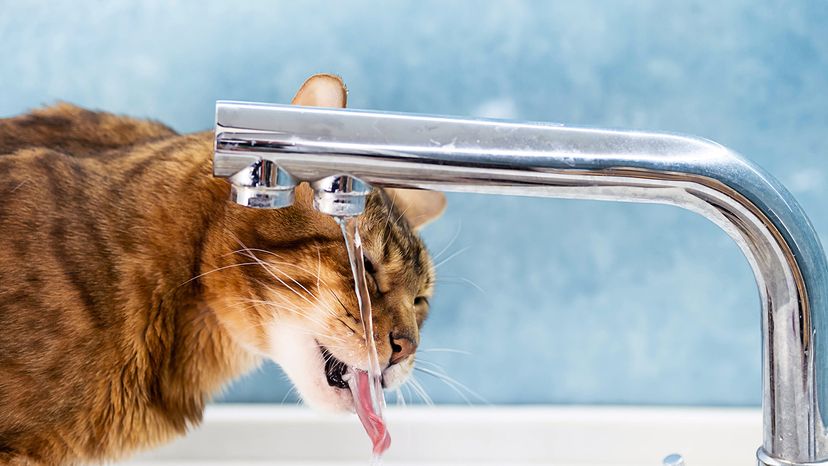
Cat drinking water.
Is your cat drinking a lot of water for no apparent reason? It might be time for a trip to the vet. Sergio Photone / Shutterstock

If your feline friend seems glued to their water bowl, you might be asking, why is my cat drinking so much water? While thirst in cats can fluctuate with temperature or activity, excessive drinking often points to an underlying health condition.

Pet parents should pay attention when their cat's water intake suddenly increases. Drinking a lot, especially alongside increased urination or changes in behavior, could be the first sign of something more serious.

Advertisement
What Counts as Excessive Thirst?

Most cats naturally drink about 45 to 55 milliliters of water per kilogram of body weight daily. That number can vary depending on diet. Cats that eat dry food need to drink more, while those on wet food or canned food often get much of their hydration from their meals.

Use a measuring cup to track how much water your cat is drinking. If you notice increased water intake over a few weeks, especially in middle-aged or older cats, it’s worth discussing with your vet.

Advertisement

Common Medical Causes

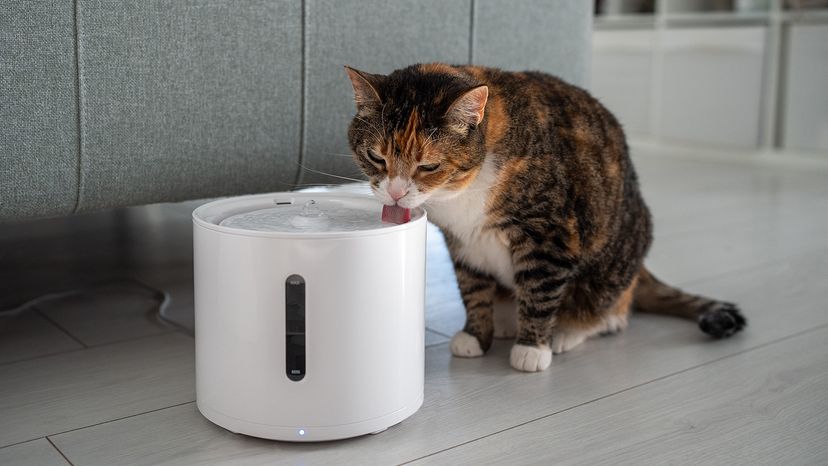
Cat drinking from automatic water dispenser
Fancy water dispensers look cool, but they make it difficult to track your pet's water consumption. DimaBerlin / Shutterstock

Several health problems can cause increased thirst and excessive drinking:

  • Chronic kidney disease: CKD is one of the most common causes in senior cats; damaged kidneys can’t concentrate urine effectively, leading to increased urination and thirst.
  • Diabetes mellitus: In this condition, high blood sugar pulls more water into the urine, making your cat drink more to compensate.
  • Urinary tract infections: UTIs can irritate the urinary system and may cause cats to drink and urinate more than usual.
  • Liver disease: This cause is less common, but also associated with excessive thirst and other symptoms like weight loss or decreased appetite.

Increased thirst is usually paired with other signs such as weight loss, increased appetite, excessive urination, or changes in your cat’s behavior. If these show up, don’t wait.

Advertisement

Diagnosis and Tests

Your vet may request blood tests, urine culture, or a urine sample to check for kidney issues, diabetes, or other concerns. Measuring your cat's blood pressure and reviewing their diet can also help pinpoint the underlying issue.

Litter box habits can offer clues too. If your cat is urinating more frequently or in unusual places, bring it up during the vet visit.

Advertisement

Managing the Underlying Cause

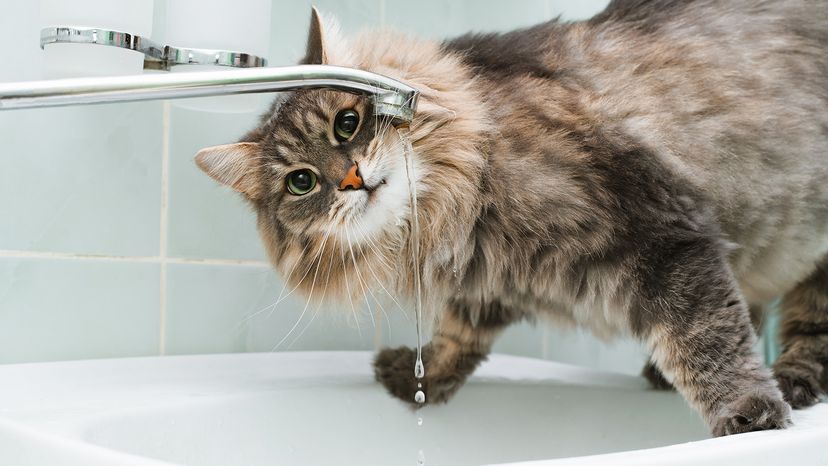
Cat drinks water from water tap
To be fair, some cats just love running water. Zhenny-zhenny / Shutterstock

Treatment depends on the diagnosis. Chronic kidney disease might be managed with a special diet and medications. Diabetes may require insulin and a controlled feeding schedule.

In all cases, early diagnosis helps preserve your cat’s health and improves the treatment outcome. Even hot weather or increased activity can make your cat drink more, but it should still be within a normal range.

Advertisement

What Cat Owners Can Do

  • Track your cat's daily water intake.
  • Monitor for additional symptoms like weight loss or decreased appetite.
  • Note changes in urination habits or behavior.
  • Schedule a vet check if thirst seems unusual or persistent.

We created this article in conjunction with AI technology, then made sure it was fact-checked and edited by a HowStuffWorks editor.

Advertisement

Advertisement

Loading...